
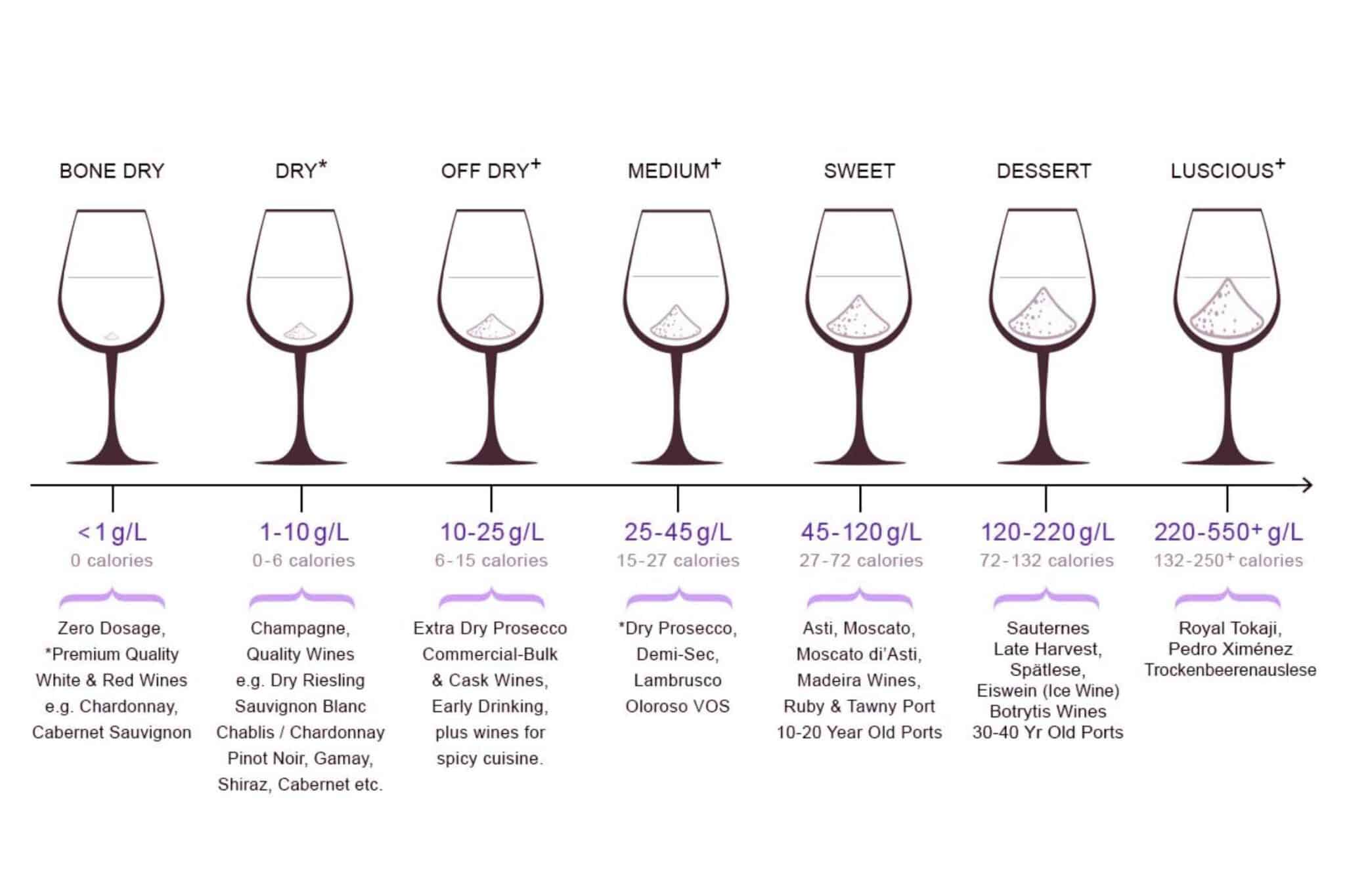
If you think all wines are equal, you sweet summer child. Dry wines usually stick to under 1 gram of sugar per glass. That’s basically nothing. A dab, a whisper, a polite nod to sweetness.
But off-dry wines? Those sneaky half-sweet wines can hit 2 to 4 grams per glass. You might not even taste it because the acid balances things out. It’s a magic trick for your palate.
And then you have the dessert wines. Oh, honey. A tiny 3-ounce pour of Port or Sauternes can pack over 20 grams of sugar. That’s like drinking a fancy cookie. Delicious, but terrifying.
What About Your Favorite Reds?
Love a bold Cabernet Sauvignon? Good news: most reds are very dry. A typical glass has less than 1 gram of sugar. You’re basically sipping pure tannin and bravado.
Merlot? Same story. Pinot Noir? Even leaner. Red wines are like that friend who never brings dessert—reliable, but not exciting. Zinfandel, however, can be a wild card. Some bottles creep up to 5 grams per glass. Keep an eye on that one.
 How Much Sugar is in Wine?
Whites, though, are the drama queens. A crisp Sauvignon Blanc stays under 1 gram. But a Riesling? That can swing from bone-dry (0.5 grams) to syrupy-sweet (8+ grams). It’s a personality test in a bottle.
Sparkling & Rosé: The Tea
Brut Champagnes are your low-sugar heroes—under 1 gram per glass. You feel fancy and virtuous. But “Extra Dry” sparkling? Don’t let the name fool you. That actually has 4 to 6 grams. The wine world loves a good prank.
Rosé is a minefield. Dry rosés from Provence hover around 1-2 grams. But the cheap, sweet pink stuff you buy by the box? That can hit 5-7 grams per glass. You’re not sipping summer; you’re sipping sugar water with a fancy label.
And Moscato—oh, bless its heart—is basically juice. A standard glass can have 8 to 12 grams of sugar. That’s almost as much as a glazed donut. But it’s pink and fizzy, so we forgive it.

