
Let’s be honest—most of us watch a crumbling Victorian house and think, “That’s a health hazard, not a happy home.” But George Clarke? He sees a diamond in the rough that’s been rolling around in a dumpster. His show, Old House, New Home, is basically the architectural equivalent of a spa day for a building that’s been through a war.
You know George, right? The guy with the soothing voice and a permanent look of mild surprise that a wall hasn’t fallen on him yet. He’s the Bob Ross of renovation—minus the happy little trees, plus about ten thousand pounds of damp plaster. The premise is simple: take a house so old it remembers the invention of electricity, and turn it into a home that doesn’t require a tetanus shot to enter.
Here’s the kicker—George isn’t just knocking down walls for fun. He’s on a mission to prove that old houses have more personality than a new-build ever could. A new-build is like a blank-slate AI chatbot; an old house is a eccentric relative who has stories about the war and a hidden safe behind the fireplace. George gets genuinely giddy when he finds original floorboards—like a kid finding a fiver in a winter coat pocket.
The “Before” Phase: A Comedy of Horrors
Every episode starts the same way: a family living in a house that smells of damp cat and regret. The kitchen has a stove from 1972, and the bathroom is what nightmares are made of—peach-colored tiles, anyone? George walks in, takes a deep breath (probably breathing in asbestos), and says things like, “Oh, look at that beautiful original cornicing!” Meanwhile, the homeowner is silently calculating how much it’ll cost to burn the place down.
One of my favorite moments was when a homeowner pointed to a hole in the ceiling and said, “That’s where the raccoon lives.” George didn’t flinch—he called it a “character feature.” The guy is a genius at spinning disaster into drama. If a wall is literally crumbling, he’ll say, “This is a fantastic opportunity to expose the brickwork.” Sure, George, if you call a structural collapse “rustic charm.”
And let’s not forget the reveals. The family leaves for a weekend, and George and his team perform what looks like a home exorcism. They rip out the shag carpet that probably holds the memories of three dead cats. They uncover a fireplace that’s been bricked up since the 1960s, presumably to hide a body. The result? A stunning, airy space with a “feature wall” that cost more than my car.
The Real Surprise: It’s Cheaper to Renovate Than to Buy New
Now, a surprising fact that will make you choke on your latte: renovating an old house is often cheaper than buying a new one. George loves to drop that bomb. He’ll stand in a room with a leaking roof and say, “For £40,000, you can have this entire space transformed—that’s less than the deposit on a new-build shoebox.” And he’s right! A new house might have an open-plan kitchen, but an old house has soul. And soul doesn’t come with a leasehold agreement.
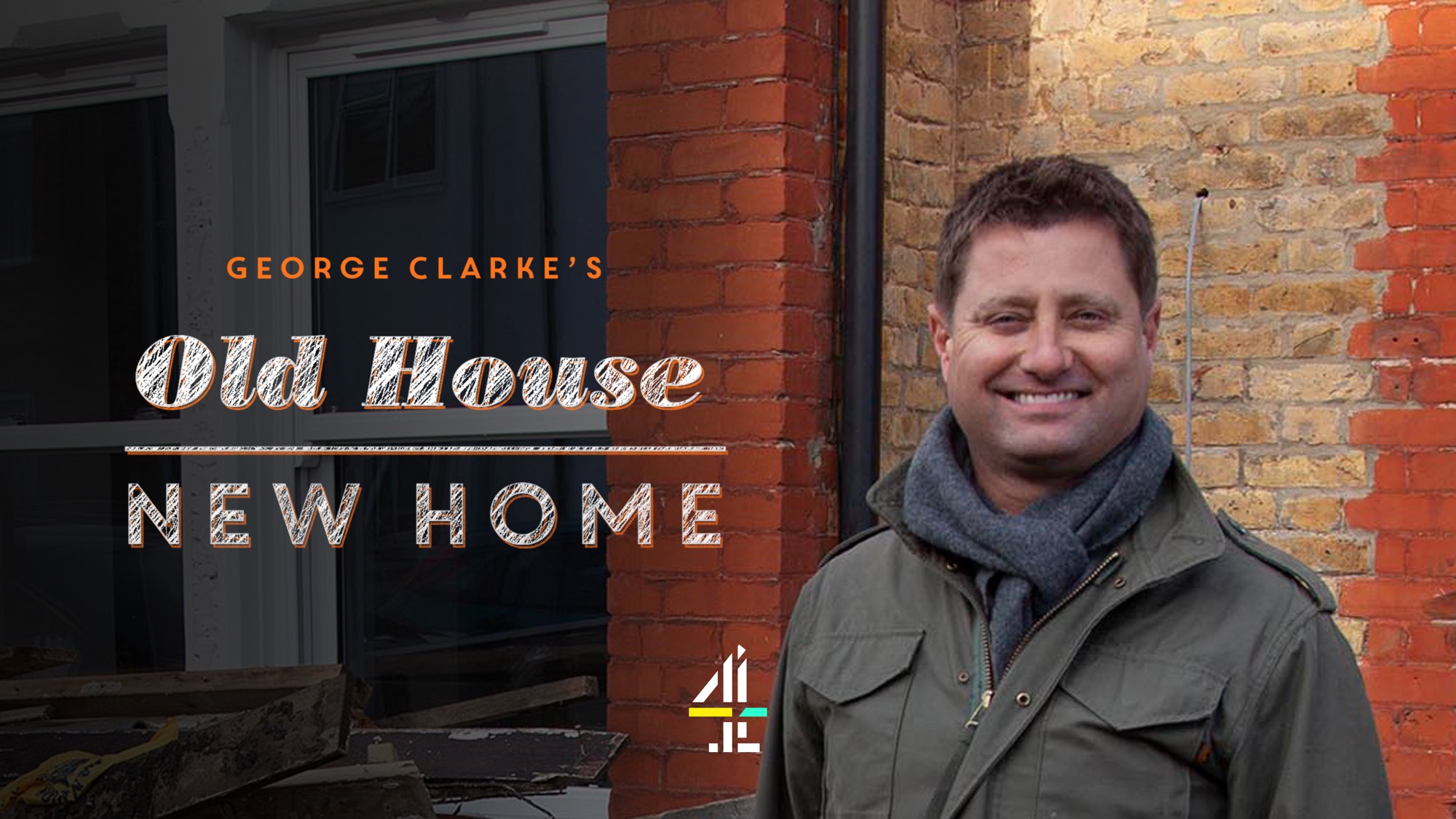 George Clarke's Old House, New Home | Apple TV
But here’s the hidden catch—surprise costs. George won’t tell you about the moment the electrician finds wiring that looks like it was installed by a drunken spider. Or the plumber who discovers the pipes are held together with hope and old chewing gum. The show glosses over the part where the budget explodes faster than a microwave full of metal. But hey, that’s the price of “character.”
Another gem: George Clarke has personally renovated over 200 old houses. That’s enough to fill a small village. I imagine his house is the only one left standing because he’s so used to demolition that he accidentally rebuilt his own home into a medieval castle. The man is a walking, talking HGTV meme.”Where’s the knocking sound?” he asks innocently, as a wall starts to weep dust.
Why We Can’t Stop Watching
Honestly, we watch Old House, New Home for the same reason we watch horror movies—to feel relief it’s not our house being invaded by dry rot. George is our fearless guide, a man who can turn a damp cellar into a wine room and a drafty attic into a “reading nook” that requires three duvets to survive winter. He’s like a fairy godmother, but with a hard hat and a budget spreadsheet.
And let me tell you, the moment when the family sees the finished home? That’s pure gold. The wife cries. The husband tries to look stoic but fails miserably. The kids run around screaming, “We have a garden!” George stands back, a smug grin on his face, holding a cup of tea he probably produced from his pocket. It’s predictable, it’s cheesy, and it’s absolutely irresistible.
So, next time you see a falling-down terrace house with a FOR SALE sign, remember George Clarke. He’d look at that pile of bricks and say, “What a gorgeous future home!” Then he’d pull out a sledgehammer and start redecorating—probably before the estate agent has finished talking. Because in George’s world, every old house deserves a second chance—even if it means you’ll be living in a dust cloud for six months.

