
Think of octane rating—95 or 98—as a measure of resistance to knocking. Knocking is that nasty pinging sound when fuel ignites prematurely in the cylinder, like an uninvited guest showing up early to the party. Higher octane (98) handles more compression before self-igniting, which is why high-performance engines need it. Your average commuter? It’s designed for 95, so throwing 98 in is like buying champagne for a beer pong tournament—it works, but nobody notices the upgrade.
Mixing them? You’re essentially creating a blend with an octane rating somewhere in between—like 96.5 if you mix 50/50. The engine’s computer (ECU) will try to adjust timing to compensate, but it’s not magical. If your car requires 98 (check the manual, not the fuel cap sticker), don’t gamble. If it recommends 98, a 95/98 mix is a occasional cheat code—not a lifestyle.
What Actually Happens in Your Engine? (Spoilers: Mostly Boredom)
I mixed 95 and 98 in that rainy scenario, and my car didn’t cough, sputter, or explode. The ECU detected the lower octane and pulled back ignition timing to prevent knocking. The result? Slightly less power and a tiny fuel economy hit—like walking with one shoe untied. You won’t notice on a grocery run, but track-day enthusiasts will feel the difference.
Here’s the irony: if you drive a modern car (post-2000s), the ECU is basically a nervous babysitter. It’ll adjust fuel maps on the fly to protect the engine, even with a 50/50 mix. But older cars (pre-1990s) with mechanical distributors? Don’t. They have zero tolerance, and even a small knock can crack pistons. That’s the difference between “oops, I mixed fuels” and “hello, mechanic, I’ve made a terrible mistake.”
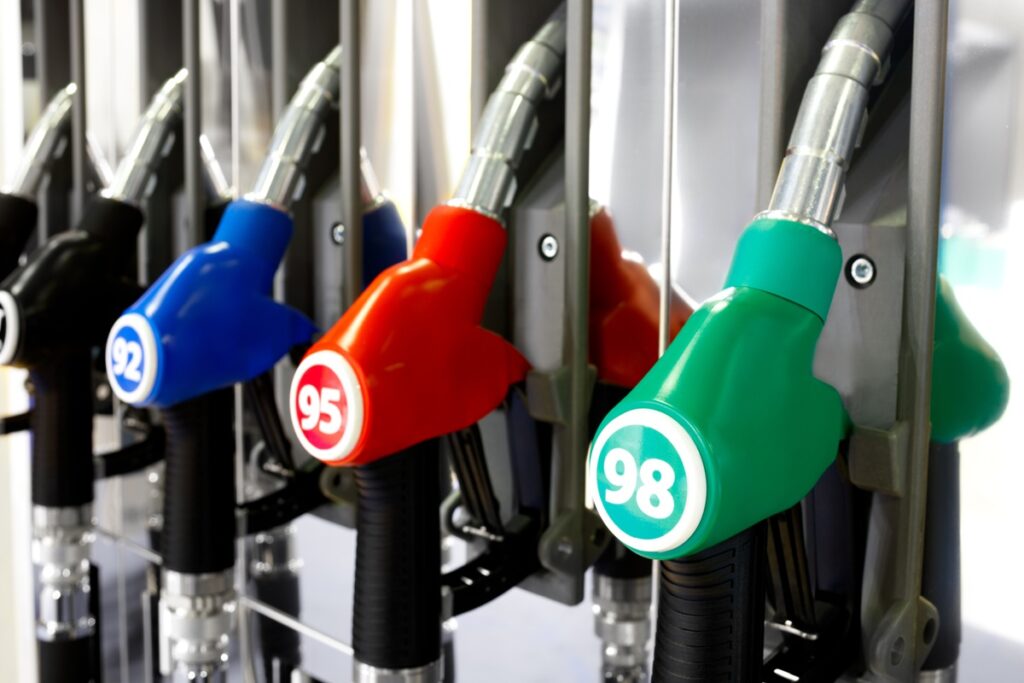 Petrol 95 vs 98: Which fuel is best « Euro Weekly News