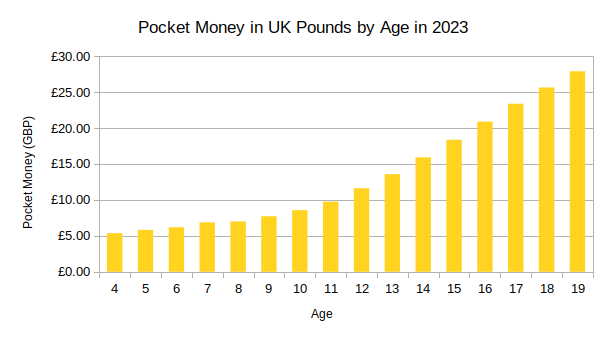
Once you hit 18, “pocket money” becomes a dirty word. Some parents still send a modest £50 to £100 a month, but most cut you off with a cheerful, “You’ve got a student loan, right?” Right.
This is the era of the “emergency text”: “Mum, I’ve got no food and the noodles are gone. Send help (and cash).” You learn to survive on baked beans, toast, and the kindness of flatmates who steal your milk.
It’s a hilarious, traumatic transition from “pocket money kid” to “broke adult.” But honestly, those early lessons—the 50p Freddo, the borrowed fiver, the negotiation over chores—are what prepare you for the real world. Pocket money might be small, but it builds character (and a serious craving for free stuff).
The Final Takeaway
So, whether you’re a six-year-old hoarding pennies or a teenager plotting a salary increase, remember: pocket money is a weird, wonderful, and deeply unfair system. The average amounts are just a guide—the real value is in the panic when you realise you spent it all on a Wednesday and it’s a long wait until Saturday.
In the end, we all become experts at managing nothing. And that, my friends, is the most British rite of passage there is. Now, if you’ll excuse me, I need to check under my sofa cushions for loose change.