:max_bytes(150000):strip_icc():focal(749x0:751x2)/northern-lights-3-052925-9f3ddabbbda5431988bd58a8e94ba00f.jpg)
First, look at the KP index—that’s the space weather scale from 0 to 9. For a decent display tonight, you want a KP of at least 3 or 4. If your local forecast shows a 5 or higher? Cancel all plans. That’s a solar storm level, and you’ll see pillars of purple and green dancing over your car.
Second, get away from city lights. Light pollution is the aurora’s arch-nemesis. Drive 20 minutes outside town, find a field or a lakeshore, and let your eyes adjust for at least 15 minutes in the dark. No phone screens, no headlights—just you and the sky.
Third, dress like you’re going to an arctic picnic. Layer up with thermal socks, a windproof jacket, and gloves. Bring a thermos of hot cocoa or tea; standing still in freezing temps for an hour is no joke. Your comfort is your ticket to staying long enough to see the show.
The Science Is Actually Romantic
Here’s a fun little fact: those green, pink, and red colors are caused by oxygen and nitrogen atoms colliding with charged particles from the sun, 100 kilometers above your head. Green is the most common, but if you see red—that’s super rare and means the particles are hitting higher-altitude oxygen. You’re basically watching a celestial chemistry experiment.
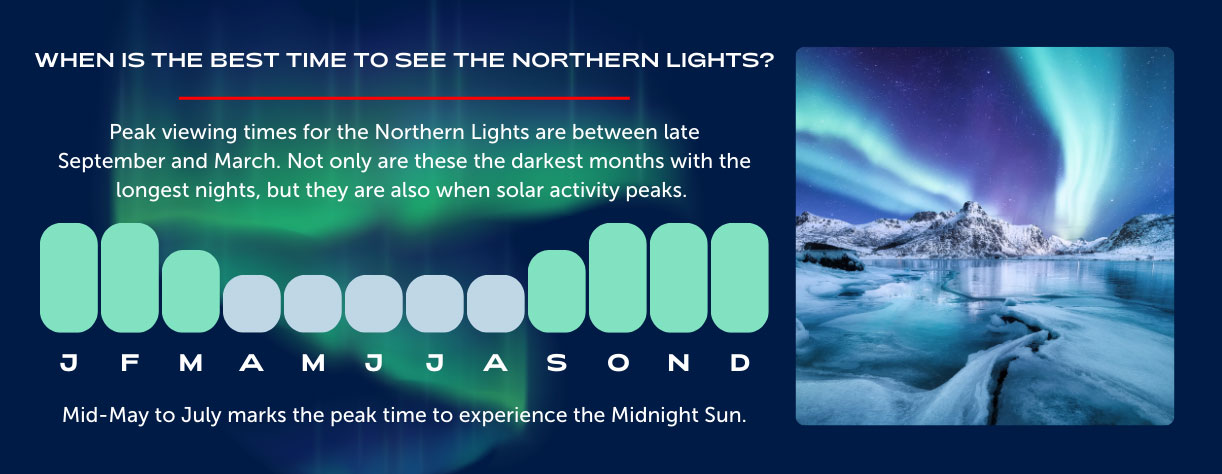 Facts about the Northern Lights | Fred. Olsen Cruises
In Norse mythology, the Vikings believed the lights were reflections from the shields of the Valkyries. The Finnish called them “revontulet,” which translates to “fox fires,” imagining a magical fox sweeping its tail across the snow. Tonight, you’re not just watching light; you’re witnessing a story that’s been told for millennia.
Oh, and one more thing: the aurora often looks gray or white to the naked eye at first. Your eyes are terrible at seeing colors in low light. But a modern smartphone camera on night mode? It will pick up vivid greens and purples that you’ll miss. So snap a picture, but also put the phone down for a minute. The real magic is in the silent swaying.

