
Think of 325°F as your friend in the kitchen. It’s low enough to let thick drumsticks and thighs cook all the way to the bone, but high enough to seal that crust instantly. If you crank it to 375°F, you’ll get a dark, scary exterior—and a raw, sad interior that could ruin dinner.
On the flip side, if your oil dips below 300°F, your chicken starts to behave like a sponge. It absorbs fat instead of crisping up, leaving you with a heavy, soggy mess. That’s not comfort food; that’s a culinary tragedy.
Fun fact: The Maillard reaction—that browning you love—really kicks into gear around 310°F. Stay above that, and you’re golden, literally and figuratively.
Thermometer: Your New Best Friend
You might think you can guess the oil temperature by dropping a pinch of flour into the pan. Don’t. That’s kitchen folklore, not science. Use a clip-on deep-fry thermometer—it costs less than a decent six-pack and saves you from serving undercooked poultry.
Pro tip: Preheat your oil slowly over medium heat. Oil heats unevenly, so give it at least 10 minutes to settle. When the thermometer reads 330°F, you’re ready to rock. The temperature will drop slightly when you add cold chicken, so starting a hair higher (around 345°F) is smart.
And please, never overcrowd the pot. Adding too many pieces at once crashes the oil temp below 300°F. Fry in batches—your chicken deserves personal space.
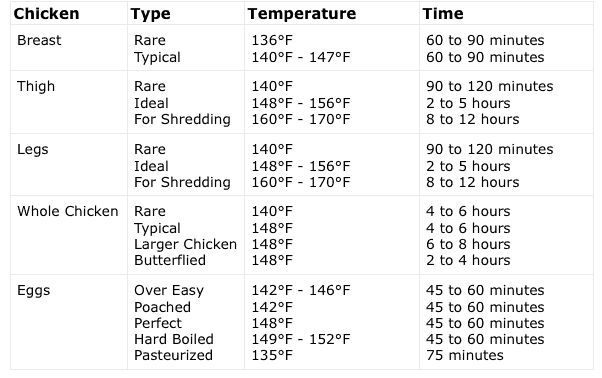 chicken temperature chart

