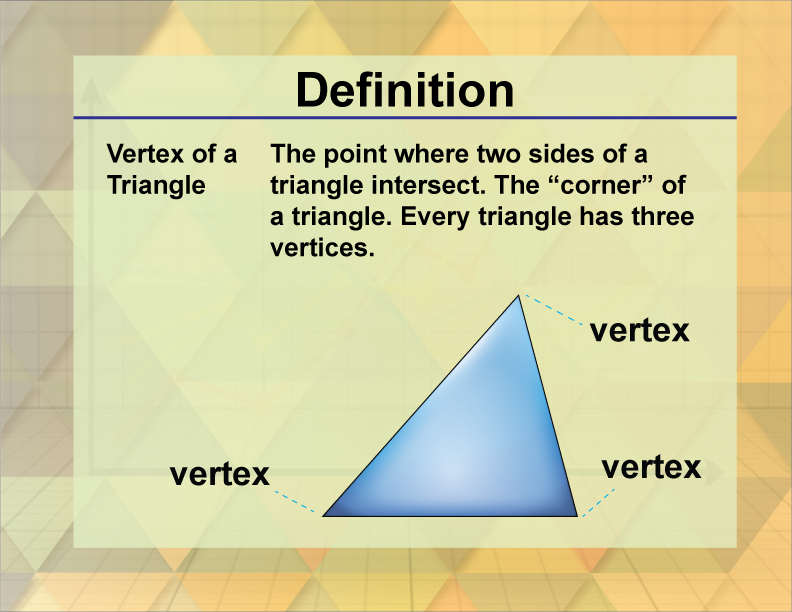
Because vertices are the unsung heroes of optimization. Programmers use them to make video game characters move smoothly. Architects use them to design roofs that don’t collapse. Even your GPS uses vertices to map the shortest route home. Every time your phone recalculates a detour, it’s just checking which vertices to skip.
Think of vertices as the checkpoints in a race. Without them, you’d have no idea where to turn. They’re the anchors that keep the whole system from drifting into chaos.
Fun Comparison: Vertices Are Like Social Hubs
Picture a city map. The streets are edges, and the intersections are vertices. A busy intersection (say, Times Square) is a major vertex where lots of lines meet. In math, a degree tells you how many edges hit a vertex. Times Square? High degree. A quiet dead-end? Low degree. Suddenly, geometry feels like urban planning.
Or, if you prefer nature: a vertex is like the tip of a mountain. All the ridges lead to that one point. It’s the spotlight of the landscape. When you stand on a mountain peak, you’re literally occupying a vertex of Earth’s surface. How cool is that?
 Vertex - Meaningful Math