
In Thailand, a traditional gai yang marinade uses fish sauce, garlic, and coriander root—and it’s typically applied just 30 minutes before grilling. The message is clear: fresh flavors don’t need to stage a long sit-in to shine.
Meanwhile, Mexican pollo asado often gets a bitter orange and achiote bath for 2 to 4 hours. That extra time lets the earthy spices and citrus get friendly with the skin, creating that iconic charred, tangy crust.
And then there’s the classic Indian tandoori chicken. It marinates in yogurt and spices for 6 to 12 hours, sometimes longer. That’s not just for flavor—it’s because the yogurt’s enzymes and lactic acid tenderize slowly, while the spices build a deep, layered taste that gets better with patience.
Practical Tips for the Real World
If you’re in a rush, don’t panic. A 15-minute marinade is genuinely better than nothing—especially if you use oil, salt, and an aromatic like garlic or ginger. The salt will start pulling moisture and flavor into the outer layer immediately.
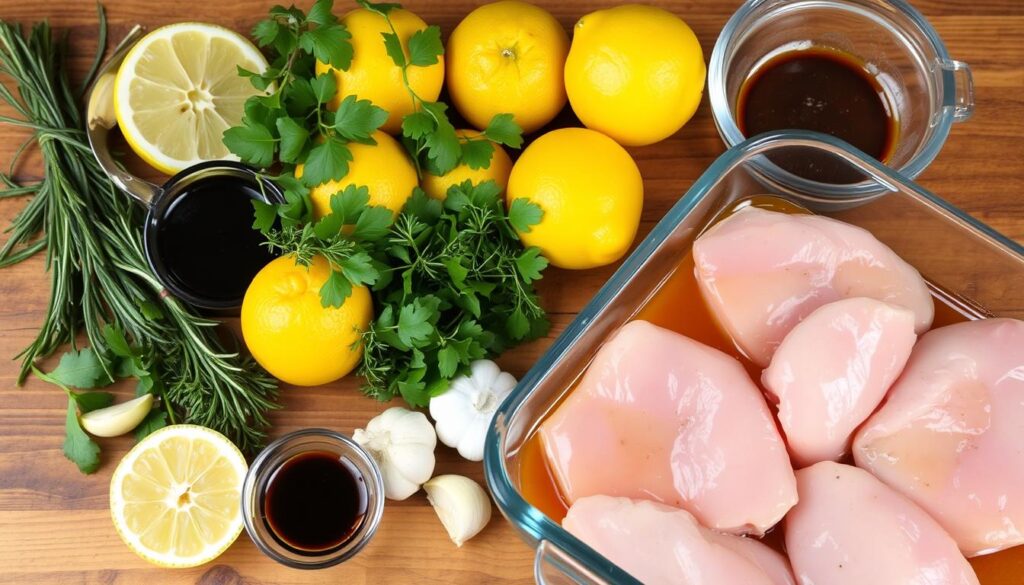 How do you marinate chicken zinas? 5 Brilliant Tips for Perfect Flavor
Never reuse marinade that’s touched raw chicken. That’s a one-way ticket to food poisoning town. If you want to use it as a sauce, boil it for at least 5 minutes first or make a separate batch for dipping.
Store your marinating chicken in a glass or stainless steel bowl, not a metal one. Acid reacts with reactive metals (like aluminum), giving your chicken a weird metallic taste. Plastic bags work great, too—just double-bag to avoid leaks.
Oh, and here’s a fun fact: pineapple, papaya, and ginger contain natural enzymes that can turn chicken into mush in under 30 minutes. Use them sparingly, or add them only as a finishing touch right before cooking.

