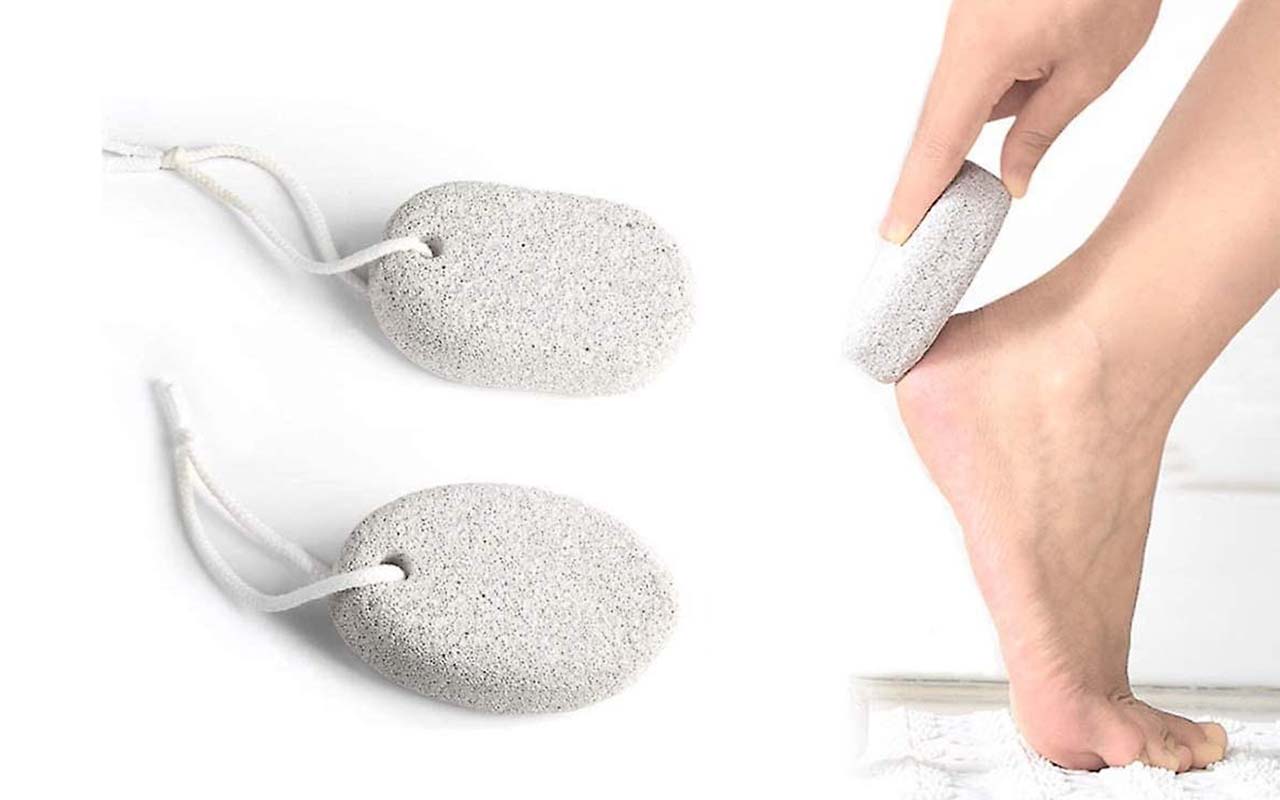
Pumice is basically frothy lava that cooled down, making it incredibly abrasive but also porous. Think of it as nature’s sandpaper with a soft side. The magic happens when it’s wet—the water fills those pores and creates a bit of slip, so you’re not just grinding skin off like a lumberjack.
But here’s my question: should pumice even touch dry feet? I tried it once, on a dare from my own impatience. I thought, “Why bother soaking? I’m busy!” Bad move. It felt like rubbing a cheese grater on a stale baguette. It didn’t smooth; it just left red marks and tiny white flakes everywhere. Side note: My cat gave me a look of pure betrayal.
The short answer? No, pumice does not work well on dry feet. It’s designed for damp, softened skin. Using it dry is like trying to shave with a rusty razor—irritating and pointless.
Why Your Feet Need a Soak First
See, dead skin cells on your heels are like stubborn little soldiers. They’re tough and compacted. When you pumice dry, you’re just scraping the top layer, which creates friction and can actually thicken the callus over time. Crazy, right? Your skin’s defense mechanism is to grow more armor.
Soak your feet in warm water for at least five minutes—ten is better. I usually do this while scrolling my phone and regretting my life choices. (We all have our rituals.) The water plumps up the skin, making the dead cells easier to slough off without violence.
 How To Use Pumice Stone To Heal Dry And Cracked Feet - Boldsky.com
Then, use the pumice stone with gentle, circular motions. Don’t press hard—let the rock do the work. If you see red, you’re going too far. It’s exfoliation, not excavation.

