
Baz Luhrmann’s Romeo + Juliet cast a 21-year-old Leonardo DiCaprio, which felt wildly romantic at the time. But looking back, DiCaprio’s boyish energy and emotional outbursts perfectly captured a troubled adolescent. He’s not a knight in shining armor; he’s a kid with a sword and a death wish.
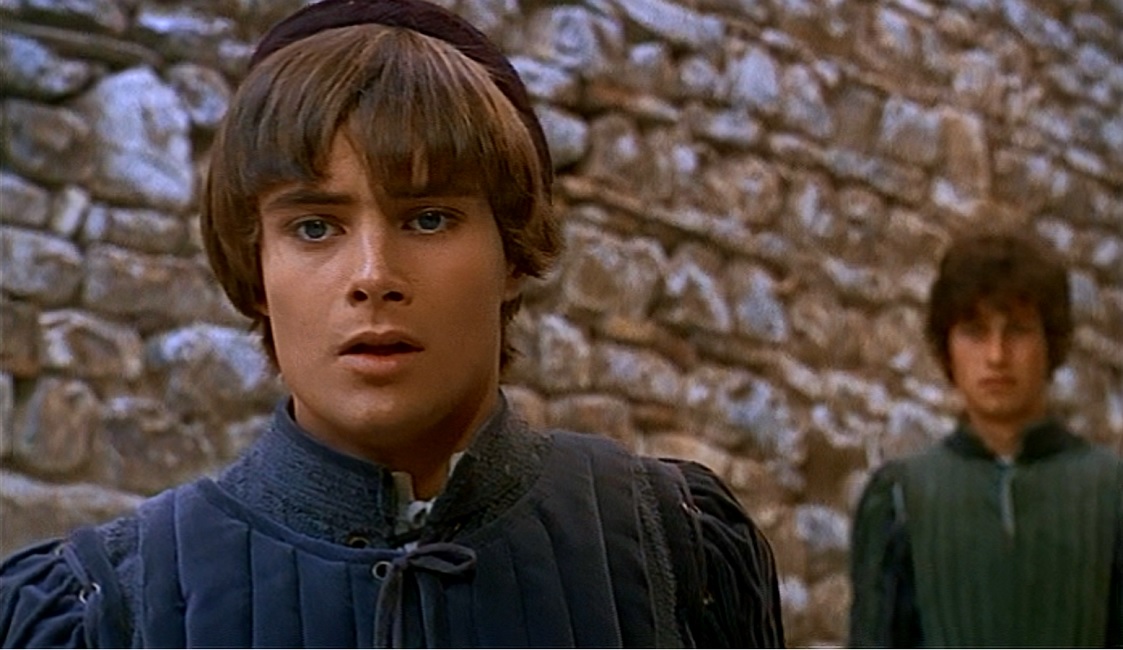 Romeo And Juliet Play Script
Compare that to Kenneth Branagh’s 2016 stage production, where the actors were deliberately young. It’s a reminder that casting matters: a thirty-year-old Romeo feels creepy, while a sixteen-year-old feels tragic. The age anchors the story’s plausibility.
Practical tip: Next time you watch the play, imagine Romeo with a backpack. Suddenly, his “What light through yonder window breaks?” line sounds like a teenager texting a crush at 2 AM. It’s adorable and terrifying at once.
The “He’s a Legal Adult” Debate
Some argue that Romeo must be older because he’s a member of the Verona social scene. He duels Tybalt, he drinks with Mercutio—surely that requires adult status? Not really. In Shakespeare’s time, fourteen-year-old boys could be apprenticed in trades, and seventeen-year-olds regularly fought in street brawls.
Also consider the timeline. The entire play spans just four days. Romeo’s age makes this whirlwind romance feel less like a mature love story and more like a reckless experiment. He doesn’t know himself yet. How could he know love?
Cultural reference: Think of the movie 10 Things I Hate About You, a modern adaptation of The Taming of the Shrew. The teen leads are all high schoolers. That’s the energy Romeo and Juliet should have—dramatic, loud, and desperate for identity.
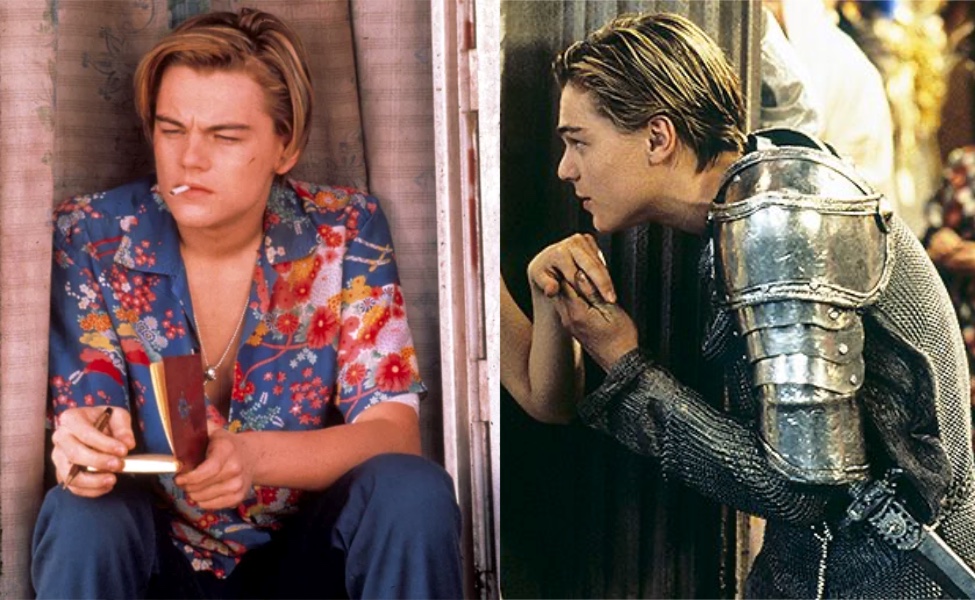 Mercutio from Romeo + Juliet (1996) Costume Guide | Carbon Costume

