
The Best Oil To Fry Chicken In
Let’s be real for a second: frying chicken at home is a commitment. You’re basically entering a pact with a pot of hot oil, a cloud of steam, and the tiny voice in your head t...
Let’s be real for a second: frying chicken at home is a commitment. You’re basically entering a pact with a pot of hot oil, a cloud of steam, and the tiny voice in your head that says, “You could have just ordered takeout.” But when that first bite comes out golden, crunchy, and juicy? Oh, man. It’s like a little piece of heaven that landed in your kitchen by accident. The secret, though, isn’t just in the seasoning or the double-dredge—it’s the oil. Picking the wrong oil is like wearing socks with sandals to the beach: you’ll still get there, but everyone will know you messed up.
First up on the oil podium is peanut oil. This is the MVP of crispy chicken, the friend who always brings snacks to the party. It has a high smoke point—around 450°F—so it won’t start smoking like a barbecue pit when you crank the heat. Plus, it adds a subtle, nutty flavor that makes your chicken taste like it came from a fancy Southern joint where they call you “honey” and hand you a napkin before you even spill. I once used peanut oil for a batch of wings, and my neighbor knocked on the door asking if I was opening a restaurant. Nope, just me, a cast-iron skillet, and a bottle of liquid gold.
But here’s the catch: peanut oil can be pricier than that fancy coffee you pretend to like. If you’re on a budget, don’t panic—canola oil is your reliable, no-drama cousin. It’s cheap, neutral-tasting, and has a smoke point around 400°F. Will it give you the same mind-blowing crust as peanut oil? Not quite. But it’s like driving a Toyota Camry: it gets you where you need to go, and you won’t be embarrassed to park it. I’ve made a lot of late-night chicken thighs in canola oil, and they turned out fine—like, “I’ll eat this while watching the game and forget the world” fine.
Now, if you want to get a little bougie without selling a kidney, consider avocado oil. Yes, the same stuff you drizzled on that kale salad you swore you’d love. Avocado oil has a smoke point higher than your cousin’s hot air balloon dream—up to 520°F. It’s clean, almost buttery, and your chicken will come out shatteringly crisp. But be warned: it’s expensive. Using avocado oil for frying is like wearing a tuxedo to a backyard barbecue. You’ll look amazing, but everyone will ask if you’re lost. Still, for special occasions—like when your in-laws visit and you want them to think you’ve got your life together—it’s a total flex.
Let’s talk about the villain of the story: olive oil. I know, I know, it’s a health halo on a pedestal. But for frying chicken? No. Just no. Olive oil has a low smoke point—around 375°F—and it will burn before your chicken even thinks about getting crispy. You’ll end up with a smoky kitchen, a fire alarm that won’t shut up, and chicken that tastes like regret. I tried it once because I was out of everything else. Spoiler: my apartment smelled like a Greek tragedy for three days. Save the olive oil for salads and dipping bread; let the frying be for oils that can handle the heat.
 How Hot Should Cooking Oil Be to Fry Chicken? The Ultimate Guide to
Another dark horse: lard. Yeah, rendered pork fat. Before you make a face, think about grandma’s fried chicken. She probably used lard, and that’s why her chicken was legendary. Lard gives you an old-school crunch and a rich, savory flavor that’s hard to beat. It’s dirt cheap, too. But it’s a bit of a commitment—you have to melt it down, and it’s not vegan-friendly. Using lard is like inviting the wild uncle to Thanksgiving: messy, questionable, but everyone leaves happy and full. If you try it, just know your kitchen will smell like a county fair, and you’ll start craving a corn dog.
Here’s the golden rule: don’t reuse oil too many times. I know, I know—you want to save money and be eco-friendly. But reusing oil that’s been through three batches of chicken is like reheating coffee from yesterday. It gets dark, sad, and bitter. Your chicken will absorb those burnt flavors, and you’ll wonder why your masterpiece tastes like old fries. Change it out after two or three batches, or when it starts to look like muddy rainwater. Your taste buds will thank you. Plus, fresh oil is part of the ritual—like sharpening a knife before you slice a tomato.
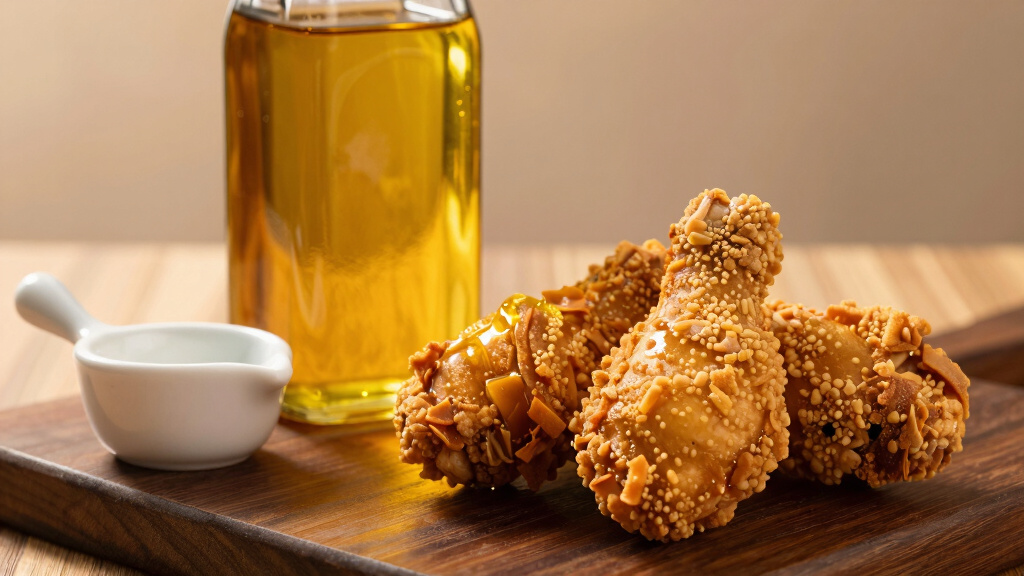 Best Oil to Fry Chicken for Crisp, Golden Perfection
A quick pro tip: mix oils if you’re feeling adventurous. I like to do a blend of peanut and canola—half and half. You get the nutty, high-smoke goodness of peanut oil without breaking the bank. It’s like making a cocktail where you swap out expensive whiskey for a decent bourbon. The result? Solid, dependable, and a little bit fancy. I call it the “weeknight warrior” blend. It’s gotten me through game days, family dinners, and at least three moments where I burned my finger and pretended to be fine.
So, what’s the takeaway? If you’re after the holy grail of crispy, juicy, restaurant-level chicken, peanut oil is your best friend. If you’re broke or lazy, canola oil will never let you down. And if you want to impress someone special—or just yourself—try avocado oil for a treat. Just stay away from the olive oil unless you want to practice your fire safety drills. At the end of the day, frying chicken is about joy, not perfection. You might splatter oil on the stove, burn a finger, and set off the smoke detector. That’s part of the magic. But with the right oil, you’ll end up with something that makes you nod, smile, and reach for another piece before the first one is even gone. Go forth and fry, my friends.

