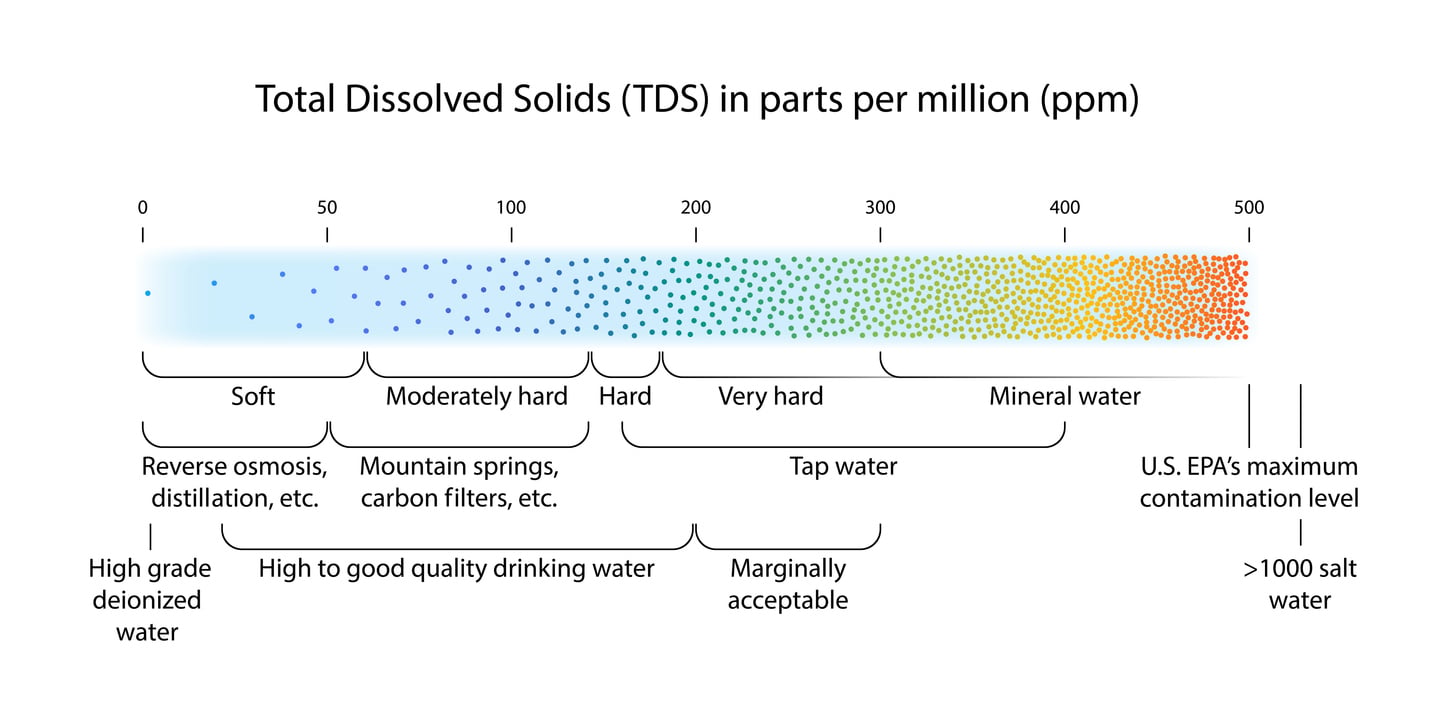
How do we measure TDS? You can buy a little gadget called a TDS meter for about ten bucks. It zaps the water with electricity and measures how well it conducts—pure water is a terrible conductor, but dissolved minerals like salt let the current flow. So, a higher reading means more stuff floating around. It’s like checking the bouncer’s list at the water party.
Home filters like reverse osmosis smash TDS down to nearly zero. That’s great for removing nasty stuff like lead, but it also strips out the good minerals. That’s why many people re-mineralize their filtered water—adding a pinch of mineral drops to get that satisfying taste back. It’s water skincare, if you will.
A Fun Comparison: Your Coffee
Ever wonder why your coffee at home tastes different from café coffee? Blame TDS. Baristas obsess over water because high TDS makes coffee bitter (the minerals get weird with the beans), while low TDS makes it taste sour and weak. The perfect coffee water? Around 150 ppm. So, your morning brew is secretly a science experiment about dissolved solids. How cool is that?

