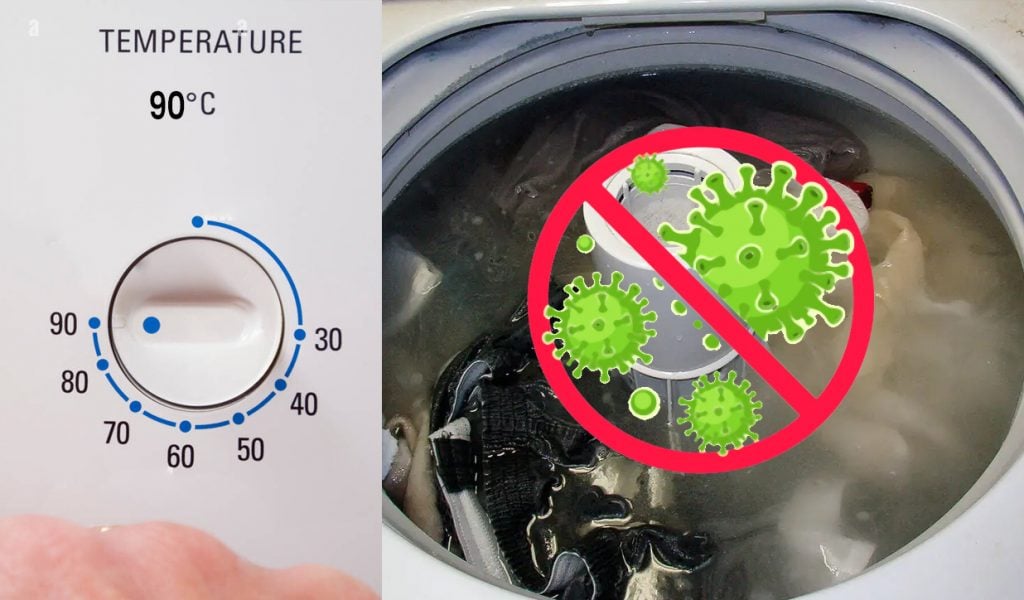
Here’s where it gets sneaky. Your dishwasher uses water that’s about 130°F to 140°F during the main cycle, but the real magic is the dry cycle. That intense heat—often over 150°F—finishes the job. So, if you rely on hot water alone to kill germs, you’re basically trusting a lukewarm sponge to do a sniper’s work. Spoiler: it won’t. The detergent and mechanical scrubbing do most of the heavy lifting; the hot water is just the hype man.
 Water heater temperature for killing bacteria/ 140 degrees F
Think of it this way: washing your hands with hot water and soap is less about the temperature and more about the friction and soap ripping germs apart. Hot water might help loosen grease and make you feel like a clean superhero, but the cold water gang will still wash away the same number of microbes. Science says: temperature is a sidekick, not the star.
Behold, The Dishwasher Paradox
Ever notice how your grandmother insists on scalding-hot rinse water for dishes, but modern machines use cooler cycles? That’s because Grandma was fighting old-school germs with brute force. Today, we have enzymes in detergent that chow down on grime at lower temps. Hot water is mostly for our brains, not for the bacteria. It makes us feel clean, like a placebo for your kitchen sink. But hey, if it makes you happy and you’re not melting your Tupperware, go for it.
Surprising fact: some bacteria, like thermophiles, actually love hot water. They’re the kind of weirdos that hang out in Yellowstone’s hot springs, saunas, and maybe your neglected coffee maker. Boiling kills them, but your tap’s lukewarm stream? That’s their vacation home. Sorry to burst your bubble.
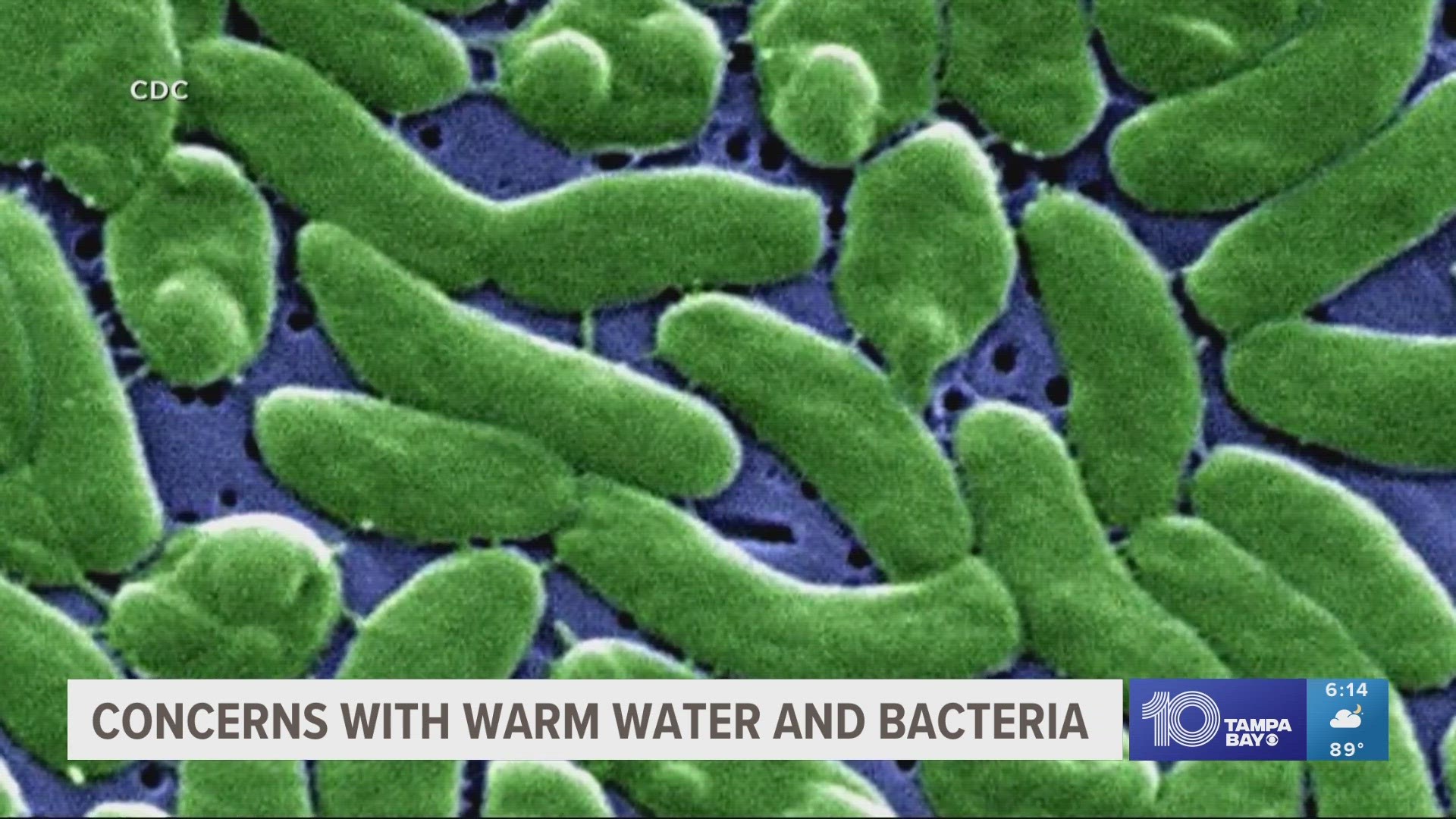 Bacteria In Water