
Imagine bragging, “I ran 10 km yesterday!” Everyone nods. But if you say, “I ran 6.2 miles,” suddenly you’re an elite athlete. Why? Because miles sound scarier. They’re the jacked-up, shoulders-back cousin of kilometers. Numbers lie, but your ego doesn’t. A 10K feels heroic; a 6.2-mile run feels like you just survived a bear chase.
This deception works in other sneaky ways. Speeding through a 100 km/h zone in a rental car? That’s only about 62 mph—a Sunday cruise. But tell your cop back home you hit “a hundred” in the slow lane, and you’ll have a problem. Kilometers are the “fake it till you make it” unit of measurement. Miles are the “don’t try this at home” unit.
The Weird History That Makes It Worse
You’d think humans agreed on how to measure distance after the Pyramids, right? Nope. The mile came from Roman soldiers stomping 1,000 double-steps (that’s mille passus). The kilometer came from the French Revolution, where they decided Earth’s meridian line was a good ruler. So one unit is based on ancient marching feet, the other on angry revolutionaries and a planet. No wonder they don’t get along.
Here’s a surprising fact: if you walked a mile on a standard track, you’d do four laps plus nine extra meters. But if you walked a kilometer? Exactly two and a half laps. Miles demand overtime. They’re the workaholic of distances. Kilometres clock out early and still get the same respect.
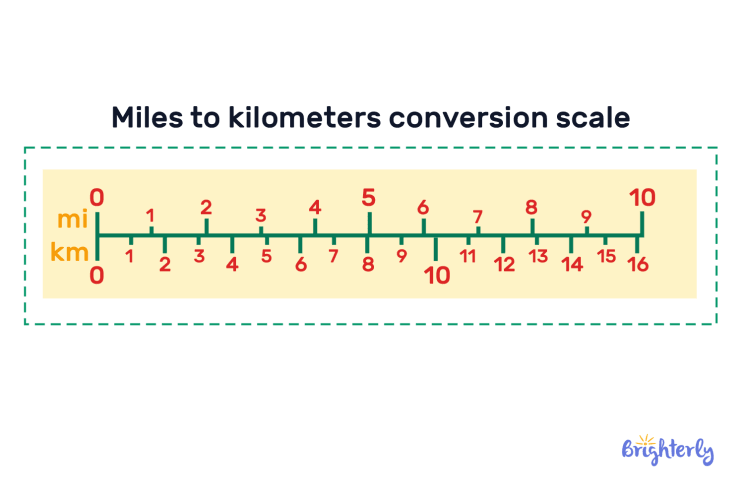 Kilometer in Math – Definition, Example, Unit, Facts

