First, let’s get into their slimy little heads. Slugs are basically bags of water with a hunger drive. They need moisture to survive, or they turn into sad, salty raisins. Your house, especially if it’s a bit damp from rain or poor ventilation, looks like a five-star spa to them.
They are also total cowards when it comes to texture. A slug will not crawl over something sharp, dry, or gritty if it can avoid it. They’d rather take the long way around. Use this against them. Make them regret their life choices.
Now, let’s talk entry points. Slugs don’t have keys. They squeeze through gaps you didn’t even know existed. Cracks under doors, gaps in window frames, holes where pipes enter the wall. If you can slide a piece of paper through, a slug can fit.
The Great Seal-Up
Grab a torch and go on a slug safari around your house at night. Check the bottom of your doors. If you see a sliver of light under there, you have a problem. Get a door draft excluder, or a simple rolled-up towel. It looks no-nonsense and works like a charm.
Check around pipes and vents. Use expanding foam or silicone caulk to fill those gaps. It’s cheap, easy, and gives you a strangely satisfying sense of power. You’re not just blocking slugs; you’re declaring war on drafts.
 Signs of Damp in Walls and How to Deal with Them - Damp2Dry
Create a Spiky Welcome Mat
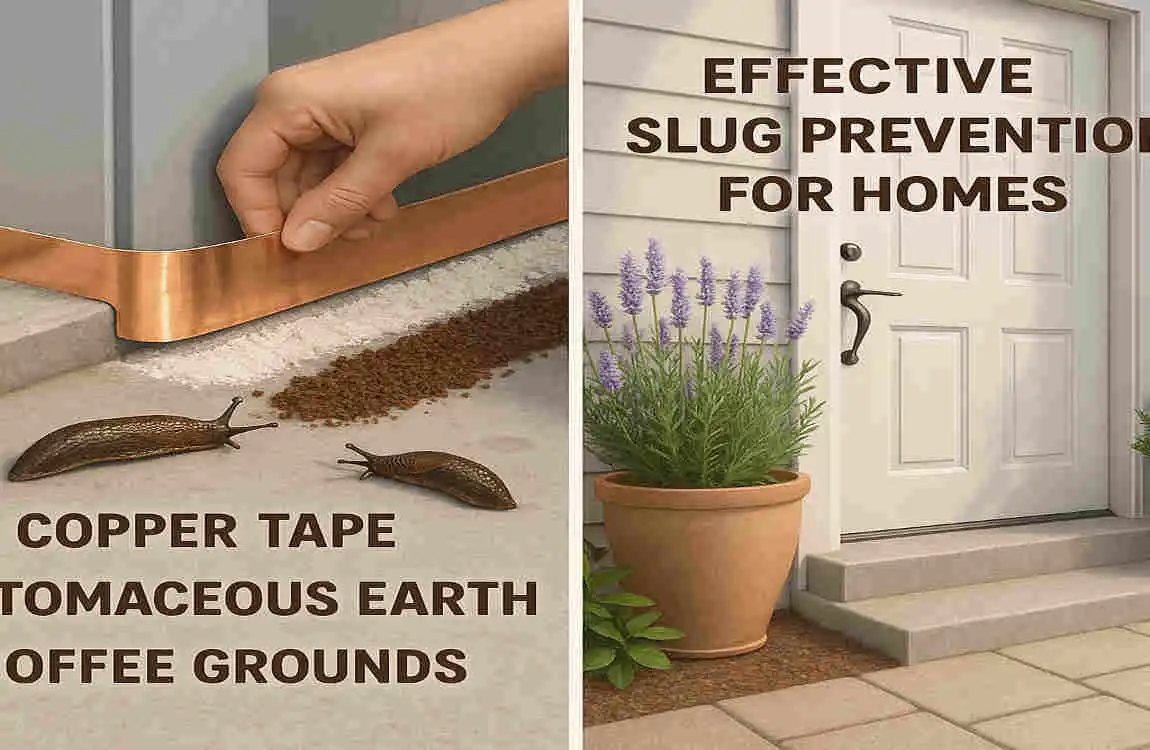
Slugs hate crossing abrasive barriers. This is where you can get creative. Sprinkle a line of diatomaceous earth across your doorstep. It’s like glass for slugs. Cuts them up and dries them out. Just don’t breathe it in because that stuff is annoying for human lungs, too.
Another weirdly effective trick: copper tape. Slugs touching copper get a mild electrical shock, like a tiny static zap. They learn fast. Stick it around your door frame or plant pots. It looks a bit like a sci-fi security system, which is a bonus.

