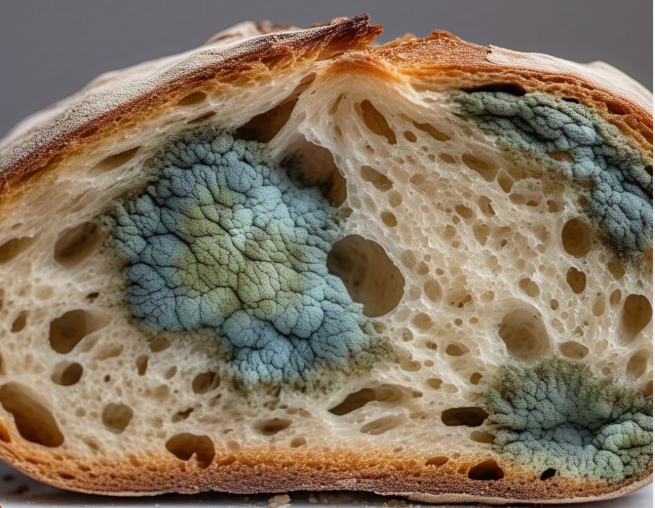
First up, the most common side effect is your digestive system throwing a full-on tantrum. Mold is a fungus, and when you eat it, your body often goes, “Nope, not today, Satan.” You might get nausea, vomiting, or a sudden, urgent need to evacuate your bowels (keep reading with a snack nearby, maybe).
This happens because many molds produce mycotoxins—toxic compounds that are their way of fighting off competitors. You, my friend, are the competitor. These toxins irritate your stomach lining and mess with your gut bacteria, leading to cramps that feel like a tiny gremlin is practicing karate in your intestines.
Don’t be surprised if you develop a mild fever or chills, too. Your immune system might jump into action, raising your body temperature to try and cook those invaders. It’s basically your body saying, “You played a stupid game, and now you’re winning a stupid prize.”
The Sneaky, Long-Term Guests: Allergies and Beyond
Here’s where it gets less “funny story” and more “serious chat.” Some people don’t get immediate sickness—they get an allergic reaction. If you’re already sensitive to mold (like, say, you sneeze in a damp basement), eating it can trigger breathing trouble, a runny nose, or even skin rashes. Your immune system doesn’t care if the mold enters through your mouth or your lungs—it sees the enemy either way.
For most healthy adults, one slice of moldy bread is no big deal. Your stomach acid is a beast, and it can kill many mold spores. But here’s the kicker: mycotoxins are heat-stable. That means toasting, boiling, or frying the moldy food won’t destroy them. You literally can’t cook away the danger. So when you pick off the fuzzy bit? You’re just removing the visible “fruit” of the fungus. The invisible roots (hyphae) can run deep into soft foods like bread, cheese, or jam.
 What Happens If You Eat Moldy Bread?
There’s also a specific baddie called aflatoxin, often found in moldy grains, nuts, or corn. It’s a known carcinogen—meaning, long-term exposure can increase your risk of liver cancer. Don’t panic: you’d need to eat a lot of moldy food for years for that to happen. But it’s a good reason to stop thinking, “I’ll just cut the bad part off.”

