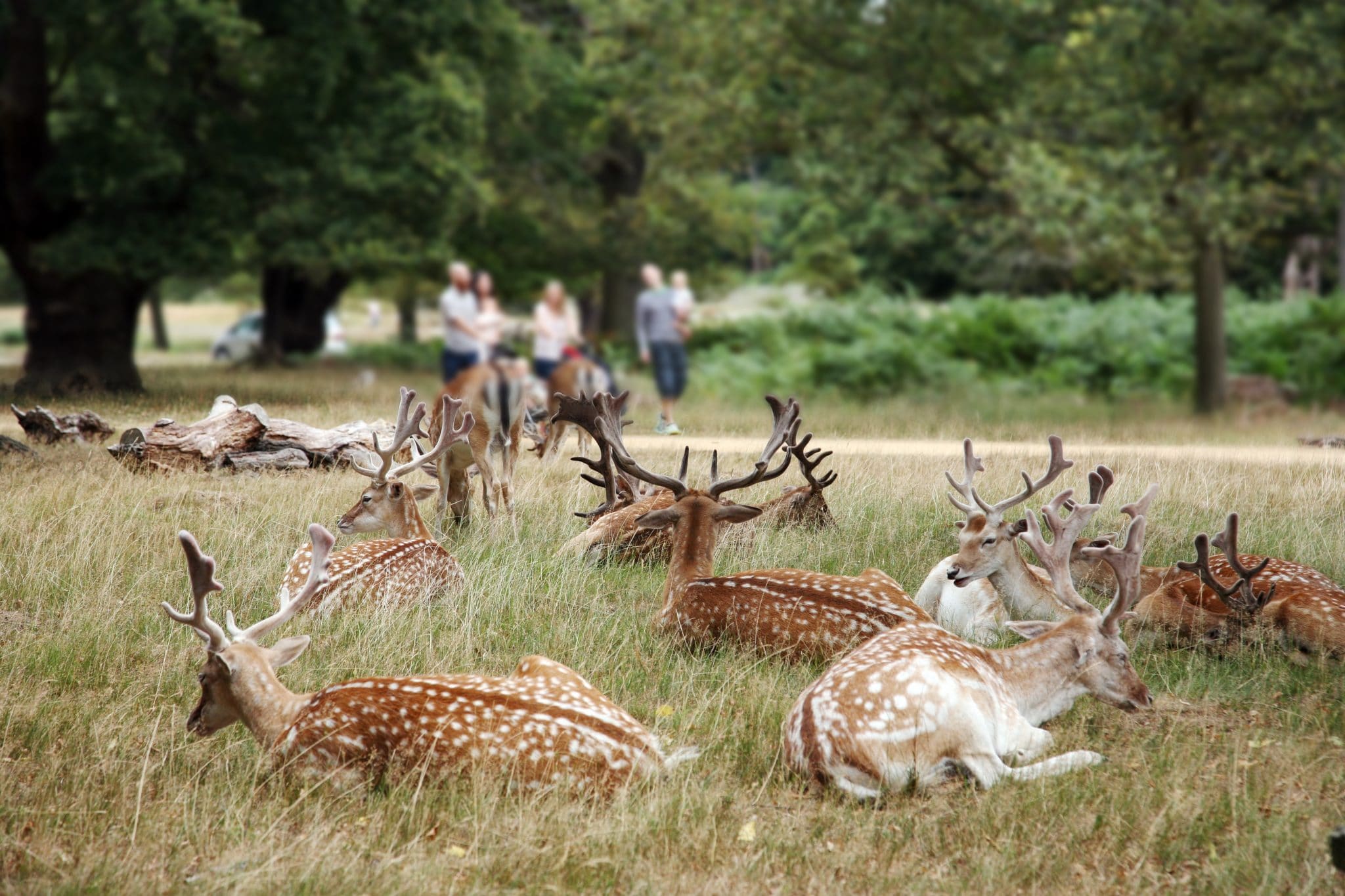
First, we have the Red Deer. These are the showstoppers, the big lads with the magnificent antlers. They’re the celebrities of the park.
Then there are the Fallow Deer. They’re smaller, more delicate, and they come in all sorts of colours—from white to dark brown. Think of them as the indie band supporting the headliners.
Roughly, the split is about 350 Red Deer and 300 Fallow Deer. Give or take a few that are hiding behind a particularly large oak tree.
Why Don’t They Just Multiply Forever?
That’s the million-pound question, isn’t it? If you left them alone, they’d eat every single daisy in South West London. Chaos.
The park uses a practice called culling. It sounds harsh, but it’s a carefully managed process. They do it to keep the herd healthy and the park’s ecosystem balanced.
They don’t just shoot arrows willy-nilly. It’s done by skilled marksmen during the winter months. The meat is then sold as high-quality venison, so nothing goes to waste.
The Secret Life of the Deer
You can spot them pretty much anywhere. Near the Isabella Plantation, along Beverley Brook, or just chilling on the grass near Pen Ponds. They’re not shy, but they’re not pets.
During the rutting season (September to November), the males get a bit… dramatic. They roar, they clash antlers, they chase each other around. It’s like a soap opera, but with more grass.
And in the spring, you get baby deer – called calves or fawns. They are so wobbly and cute it’s almost illegal. Seriously, they look like they’re made of marshmallows and rainbows.

