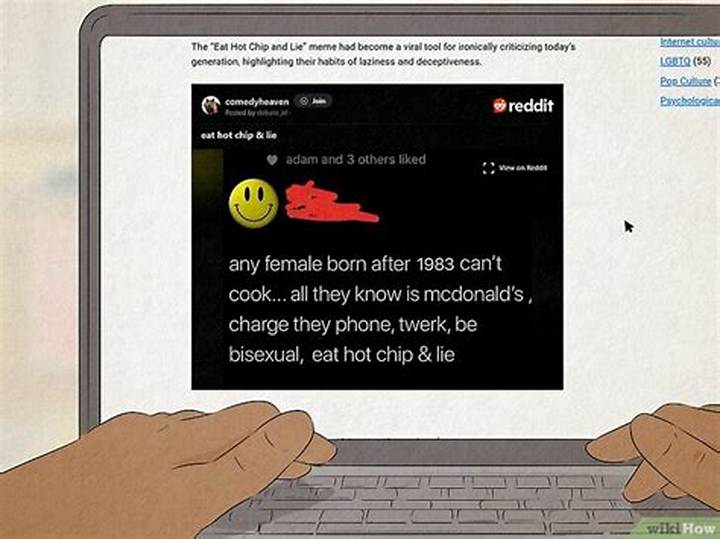
Is “eat hot chip and lie” always about lying?
Not always. Some versions are about answering questions truthfully while eating spicy chips; others treat “lie” as improv, where the goal is to trick the host or see who believes what.
Is it safe for everyone to try?
No. People with reflux, stomach ulcers, asthma triggers, or allergies may have a higher risk of discomfort or complications. If there’s any uncertainty, skip the challenge or choose a mild option with consent and an off-ramp.
What’s the difference between “hot chip” dares and truth-or-dare games?
Truth-or-dare games mainly create social pressure. “Eat hot chip and lie” adds physical pressure from spicy food, which can make participants more vulnerable.
How do you prevent the challenge from turning into bullying?
Set rules in advance: no humiliation questions, no escalating punishments, and no forcing someone to keep eating. If the participant wants to stop, the game stops.
Why do people record these challenges?
The spicy reaction makes fast, visually obvious content. The “lie” component adds narrative tension—did they answer honestly, did they crack, or did the audience misread them?

