The most common way to say Happy New Year in Cantonese is “San nin faai lok.” Say it with me: Sun (like the star) neen (rhymes with “clean”) faai (sounds like “fry”) lok (like “lock” but shorter). It literally means “New Year happiness.”
Now, don’t stress about nailing the tones perfectly—Cantonese has six to nine tones, depending on who you ask. It’s a tonal minefield, and even locals sometimes trip up. (Pro tip: if you say “faai” with a rising tone, you might accidentally ask for a fast chicken instead of a happy year. Don’t ask how I know this.)
But here’s the kicker: that’s just the polite, everyday version. If you want to sound like you actually get the culture, you need to level up.
The Auspicious Upgrade: Prosperity Edition
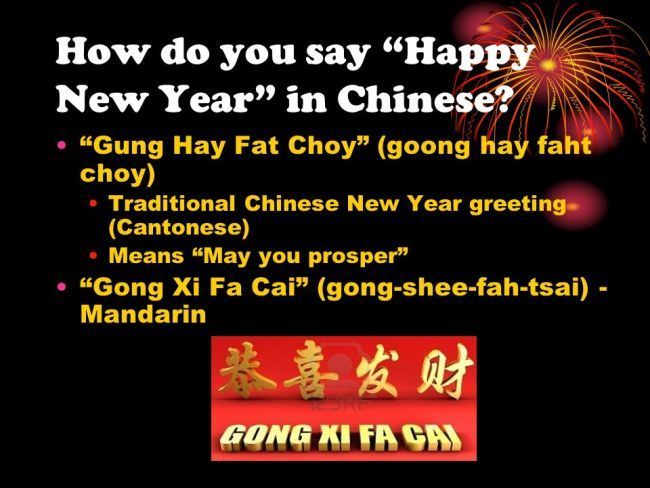
A more traditional—and wildly popular—greeting is “Gung hei faat choi.” You’ve probably heard this one if you’ve ever stepped into a Chinatown during February. Romanized, it’s Gong (as in the sound of a bell) hay (like “hey” but shorter) fart (yes, really) choy (rhymes with “toy”).
It translates roughly to “Congratulations and be prosperous.” It’s less about “happy” and more about “get rich.” Because let’s be honest, if the New Year brings you a fat red envelope full of cash, you’ll be happy too. This phrase is the Cantonese equivalent of the English “Hope you win the lottery this year.”
 How to Say Happy Chinese New Year in Mandarin and Cantonese | Happy
Pro tip: Don’t say “Gung hei faat choi” to anyone in a receipt-checking mood. It’s best reserved for elders, bosses, and your landlord—people who can actually help you get rich. (Or at least not raise your rent.)