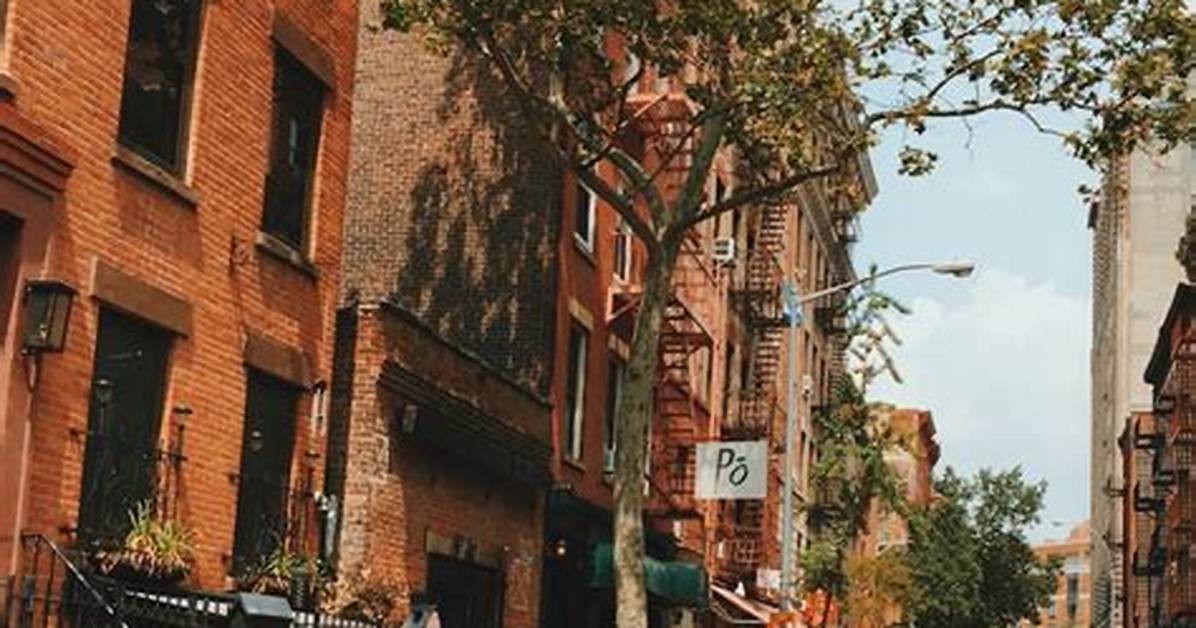
In the bustling heart of New York City, where skyscrapers touch the sky and the streets buzz with life, lies a hidden gem that embodies the rich history and vibrant culture of the city. Cornelia Street, nestled in the iconic Greenwich Village, offers a unique blend of old-world charm and modern allure. This quaint street, often overlooked amidst the city's famous landmarks, has been a silent witness to the evolution of New York, from its bohemian past to its contemporary cultural scene. Whether you're a local or a tourist, Cornelia Street invites you to explore its secrets and discover the stories that make it a cherished part of NYC.
As you stroll down Cornelia Street, you're transported back in time. The cobblestone pavement and charming brownstones evoke images of a bygone era, where artists, musicians, and writers once gathered to share ideas and inspirations. Today, the street continues to be a hub of creativity, with its eclectic mix of boutiques, cafes, and galleries. Each corner holds a story, and each building whispers tales of those who've walked its path before. Cornelia Street is not just a place on the map; it's a living narrative of New York's artistic and cultural journey.
But what is it about Cornelia Street that captivates the hearts of so many? Perhaps it's the sense of community that pervades the air or the way the street seamlessly blends the past with the present. Or maybe it's the small-town feel in the midst of a sprawling metropolis. Whatever it is, Cornelia Street offers a unique experience that beckons visitors to delve deeper into its charm. In this article, we'll explore the many facets of Cornelia Street, from its historical significance to its modern-day attractions, and uncover what makes it a must-visit destination in NYC.
The Rich History of Cornelia Street
Cornelia Street's history is as colorful as it is long. Established in the early 19th century, this quaint lane is named after the daughter of a prominent landowner, Cornelia Herring. Throughout its existence, Cornelia Street has been a microcosm of New York's larger historical narrative. In the 1800s, it was home to immigrants seeking a new life in America. As waves of Irish, Italian, and Eastern European communities settled here, they brought with them a rich tapestry of cultural traditions that continue to influence the area today.
During the 20th century, Cornelia Street became synonymous with the bohemian lifestyle that characterized Greenwich Village. Artists and intellectuals flocked here, drawn by the neighborhood's affordable housing and vibrant cultural scene. It was during this time that Cornelia Street earned its reputation as a haven for creativity and free expression. Cafes and bars along the street became gathering places for writers, musicians, and thinkers, who found inspiration in the street's unique energy.
In recent decades, Cornelia Street has undergone significant changes, yet it has managed to preserve its historical essence. The street's architecture and landmarks serve as reminders of its storied past, while its contemporary businesses and events reflect the dynamic spirit of New York City. From its humble beginnings to its current status as a cultural landmark, Cornelia Street has played a vital role in the ever-evolving narrative of NYC.
Cultural Significance and Artistic Legacy
Cornelia Street's cultural significance extends beyond its geographical boundaries. It has long been a bastion of artistic expression and innovation, attracting creatives from all walks of life. From the early 20th century, it was a hub for the countercultural movement, fostering an environment where new ideas and artistic rebellion could flourish.
The street's legacy as a cradle of creativity is further cemented by its association with notable figures in music, art, and literature. Jazz musicians once performed in its intimate venues, contributing to the development of the genre. Visual artists found inspiration in the street's unique aesthetics, leading to the creation of impactful works that have left a lasting impression on the art world.
Today, Cornelia Street continues to support and nurture the arts through its various galleries, performance spaces, and cultural events. The street's enduring influence on the artistic landscape of New York City is a testament to its role as a cultural icon and a symbol of the city's vibrant creative spirit.

