
Are Ribs From Cows Or Pigs
So, the other day I’m at a backyard cookout, minding my own business and eyeing a tray of glistening, saucy ribs. My buddy Dave, the grill master, hands me a rack and says, “T...
So, the other day I’m at a backyard cookout, minding my own business and eyeing a tray of glistening, saucy ribs. My buddy Dave, the grill master, hands me a rack and says, “Try these, they’re incredible—pork, obviously.” I take a bite—tender, smoky, perfect—and then his cousin chimes in: “No way, Dave got beef ribs from the butcher.” Cue the great rib debate. We stood there, gnawing on bones, arguing about whether we were eating from a cow or a pig. It was ridiculous, but it got me thinking: how often do we actually know what’s on our plate?
Let’s clear up the confusion right now. Ribs can come from both cows and pigs, and the difference matters way more than you’d think. Pork ribs are the backyard barbecue classic—the ones with that sweet, sticky glaze you see at every summer party. Beef ribs, on the other hand, are the heavy hitters: bigger, bolder, and often found in smokehouses or upscale steakhouses. So, if you’ve ever bitten into a rib and wondered, “Is this Bessie or Babe?”—you’re not alone.
Let’s start with the pig, because that’s probably what you’re picturing. Pork ribs—like baby back ribs or spare ribs—are lean, tender, and cook relatively fast. They’re the superstar of Texas-style joints and your local diner’s “ribs and coleslaw” special. Fun fact: baby backs come from the top of the ribcage, near the spine, and are smaller and more curved. Spare ribs come from the belly area, are meatier, and have a bit more fat—which means more flavor, obviously.
Now, the cow step up to the plate. Beef ribs are massive, intimidating, and absolutely packed with beefy flavor. They come from the short rib section (think plate or chuck) and are often sold as “beef short ribs” or “dino ribs” because they look like dinosaur femurs. Seriously, they’re huge. One beef rib can weigh as much as a whole rack of pork ribs. They require long, slow cooking—like, hours on a smoker—to break down all that collagen into buttery goodness.
So, how do you tell them apart at a glance? Look at the size and the meat. Pork ribs are smaller, with white-ish, fine-grained meat that pulls off the bone easily. Beef ribs are dark, coarse, and the meat often clings to the bone like it’s holding on for dear life. Also, porks ribs have a slight curve; beef ribs are straighter and chunkier. If you’re at a restaurant and they bring out ribs that look like they could double as a weapon, that’s beef.
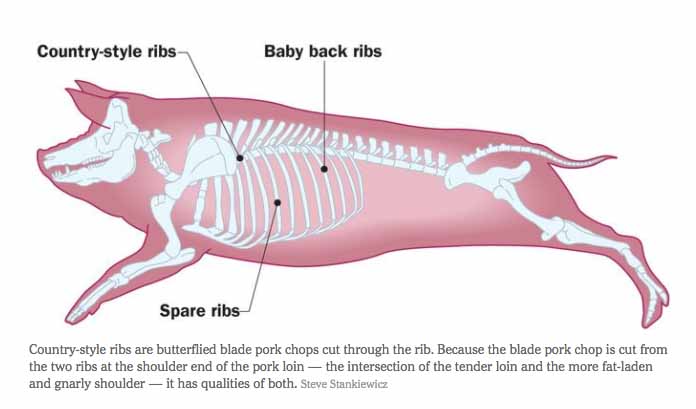 TIP OF THE DAY: Country-Style Ribs - The Nibble Webzine Of Food Adventures
Here’s the ironic part: a lot of people don’t even know they’ve been eating beef ribs their whole lives. Remember those “country-style ribs” your grandma used to make? Yeah, those aren’t ribs at all—they’re slices of pork shoulder, cut to look like ribs. Mind blown, right? And then there’s “short ribs” on a fancy menu: those are almost always beef, even though the phrase sounds like it could go either way. Labels lie, people.
Now, let’s talk taste—because that’s what really matters. Pork ribs are sweet, mild, and take on marinades beautifully. They’re the chameleon of the grill. Beef ribs are beefy, rich, and unapologetically savory; they don’t need sauce, just salt and smoke. If you’re feeding a crowd, go pork—it’s cheaper and everyone loves it. If you’re feeling like a carnivore king, go beef—just bring a bigger appetite and a napkin the size of a bath towel. You’ll need it.
Here’s a side note that’ll make you the smartest person at your next barbecue: pork ribs are typically from pigs slaughtered at 6–8 months old, while beef ribs come from cows that are 18–24 months old. That age difference changes the fat structure and flavor. Also, cows have 13 pairs of ribs, pigs have 14–16 pairs—so technically, pigs have more ribs to go around. More ribs = more opportunities for sauce-based happiness.
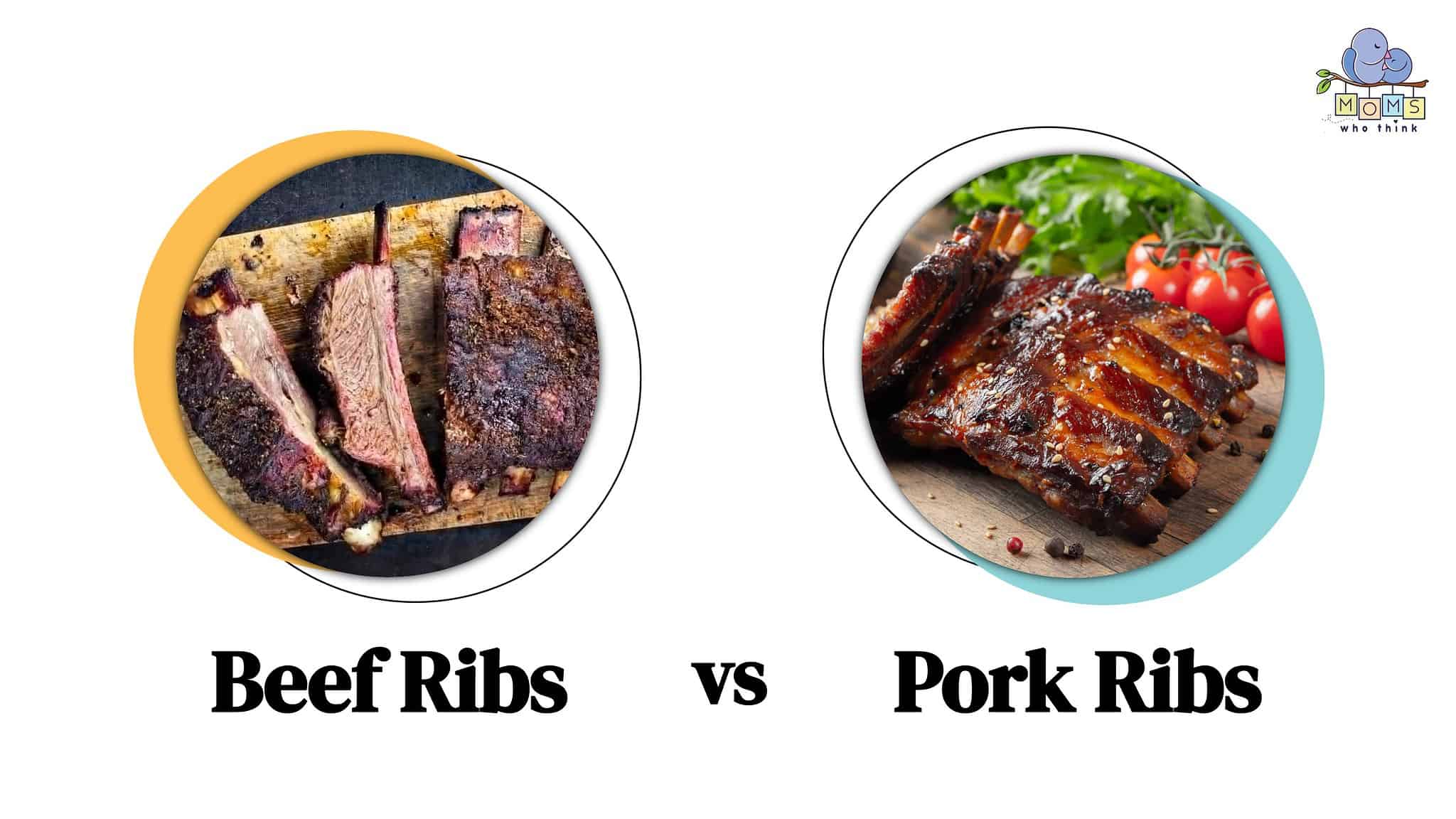 Beef Ribs vs. Pork Ribs: Choosing The Right Ribs For Dinner.
And what about baby back ribs? Are they from baby cows? No—the term “baby” refers to the small size of the pork rib, not a mini cow. Sorry to crush your childhood cartoon fantasies. There’s no such thing as a “calf rib” on a normal menu, unless you’re eating veal, which is a whole other ethical can of worms. Let’s not open that lid today.
So, next time you’re at the grocery store or a restaurant, don’t be shy—ask what you’re getting. “Are these from a cow or a pig?” is a totally valid question. The answer changes how you cook them, how long you eat, and how many wet naps you’ll need. My friend Dave, after our cookout debate, finally called the butcher and confirmed: they were beef. He felt like a fool, but honestly? We all ate them anyway, and they were fantastic. Because in the end, whether they mooed or oinked, ribs are ribs—and they’re always a good idea.
Just don’t call them “pork chops” by accident. That’s a whole different argument.

