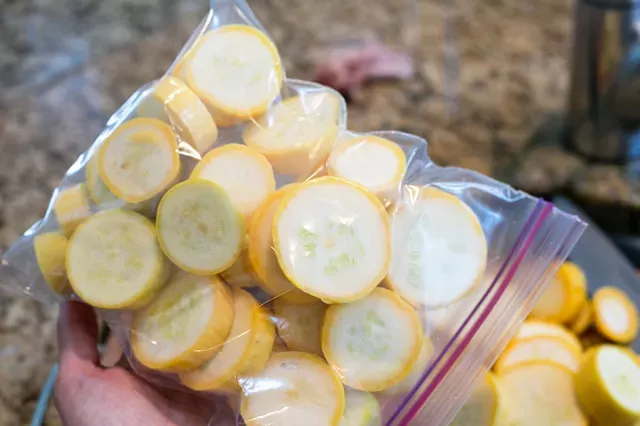
Blanching is that extra step where you dunk veggies in boiling water for a minute, then plunge them into ice water. It’s supposed to stop enzymes that cause mushiness and color loss. Sounds scientific, right?
But here’s the truth: if you’re planning to cook that squash later—like in soups, stir-fries, or casseroles—blanching is basically optional. The texture will change whether you blanch or not. It’s squash, not a diamond—it’s going to soften.
Skipping the blanching step saves you time, clean-up, and one less pot to scrub. It’s like taking the scenic route instead of the highway when you’re not in a hurry. You still get there, it’s just a little more relaxed.
The Texture Trade-Off: What You’re Really Getting
Let’s be real: any frozen squash will be mushier than fresh. That’s just water expanding into ice crystals, breaking cell walls. It’s science, not a personal attack. Blanching doesn’t save you from that—it just slightly delays the inevitable.
If you don’t blanch, the squash might get a touch softer and a bit more watery when thawed. But think about it: when’s the last time you wanted frozen squash to stay crunchy? You’re probably using it in a cozy stew or a baked dish where texture isn’t the star.
So, unblanched frozen squash is perfect for things like zucchini bread, hearty soups, or pasta sauces. It’s not the best pick for a fresh summer salad—but then, why would you freeze it for that anyway?

