
If you’re feeling adventurous, oat flour is a champion—but only if you buy it certified gluten-free. Oats themselves don’t contain gluten, but they’re often cross-contaminated during processing. Once you source the safe stuff, oat flour brings a hearty, slightly sweet flavor to muffins, pancakes, and even a simple loaf of bread. It’s the emotional support flour: comforting, familiar, and always down for a lazy Sunday morning.
Don’t sleep on sorghum flour. This ancient grain is a gluten-free staple that tastes mild and slightly sweet, similar to whole wheat. It’s a fantastic choice for flatbreads and pizza dough, and it pairs beautifully with a bit of molasses or cinnamon. Fun fact: sorghum is one of the oldest cultivated grains on the planet, dating back over 5,000 years in Africa. You’re basically eating history.
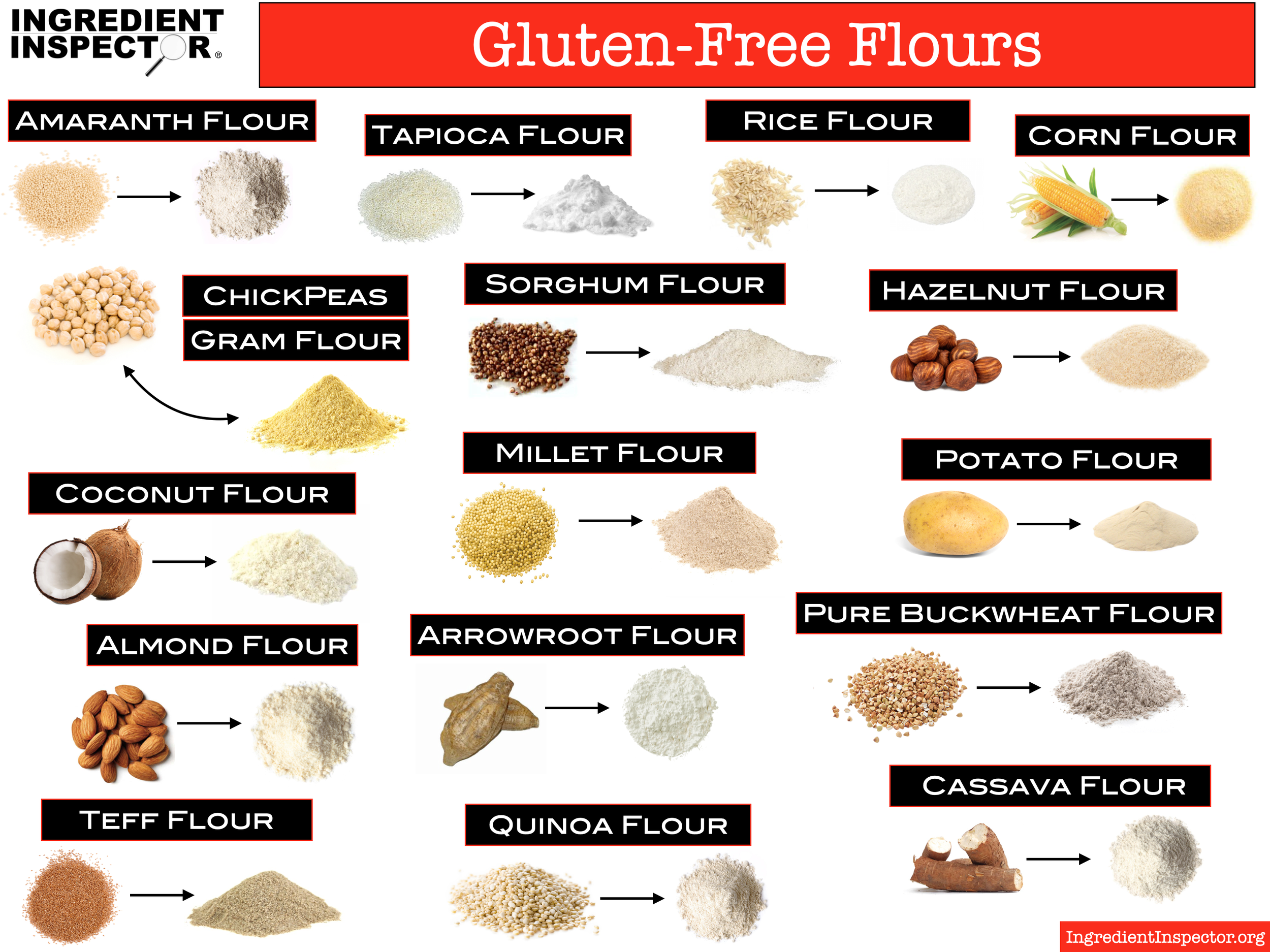 Gluten Free Flour
Why You Should Blend, Not Duel
Here’s the secret the pros know: rarely does a single gluten-free flour work perfectly alone. Most recipes use a blend to mimic the structure and chewiness that gluten provides. A classic mix might combine two parts rice flour, two-thirds part potato starch, and one-third part tapioca flour. This trio creates a neutral canvas that can handle everything from cakes to tarts. Think of it as the Avengers of flours—each one brings a superpower, and together they save your baking.
For an instant upgrade, keep a bag of tapioca flour on standby. It’s extracted from cassava root and adds that elusive chew you miss so much in bread and bagels. Pair it with potato starch (not potato flour) for extra lightness. These two are the dynamic duo, often called “starch flours,” and they’re the reason gluten-free croissants can actually flake.

