
Maybe you love the idea of jalapeños but hate the surprise inferno. Here’s the first rule: remove the white ribs and seeds to cut the heat by 80%. If you want the flavor without the flame, scoop that pith out like a pro.
If you accidentally bite into a scorching slice, do not reach for water. Capsaicin is oil-based, so water just spreads the fire around. Drink whole milk, eat plain yogurt, or chew on a piece of bread to bind the oil and send the heat packing.
Tip: When handling raw jalapeños, wear disposable gloves or coat your hands in oil. Touching your eyes after chopping is a rookie mistake that can ruin your entire evening. Trust me, I’ve been there.
The Surprising Spectrum of Heat
Did you know that not all jalapeños are created equal? The level of heat depends on growing conditions, including soil quality and water stress. A stressed jalapeño (drier conditions) will produce more capsaicin to protect itself—so a smaller, scarred pepper can be way hotter than a perfect, glossy one.
Also, pay attention to the color. Green jalapeños are picked early, offering a fresh, grassy flavor. Red jalapeños are fully ripe, sweeter, and often significantly hotter. They’re basically the older sibling who got all the spicy genes.
Fun fact: The tiny, dark lines you sometimes see on the skin—called “corking”—are actually a sign of a hotter pepper. So don’t be afraid of the wrinkled, liney ones.
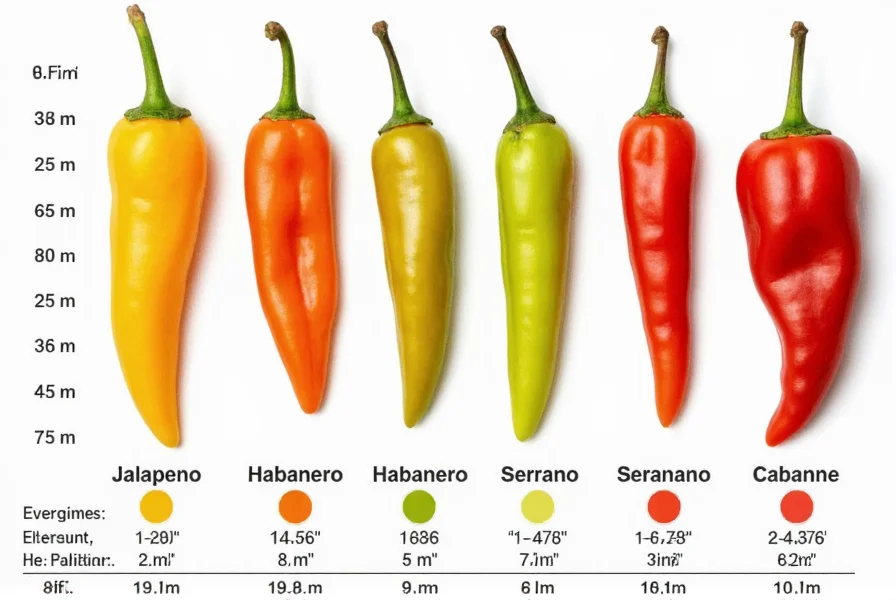 Pepper Variety Chart: Heat Levels, Uses & Safe Substitutions

