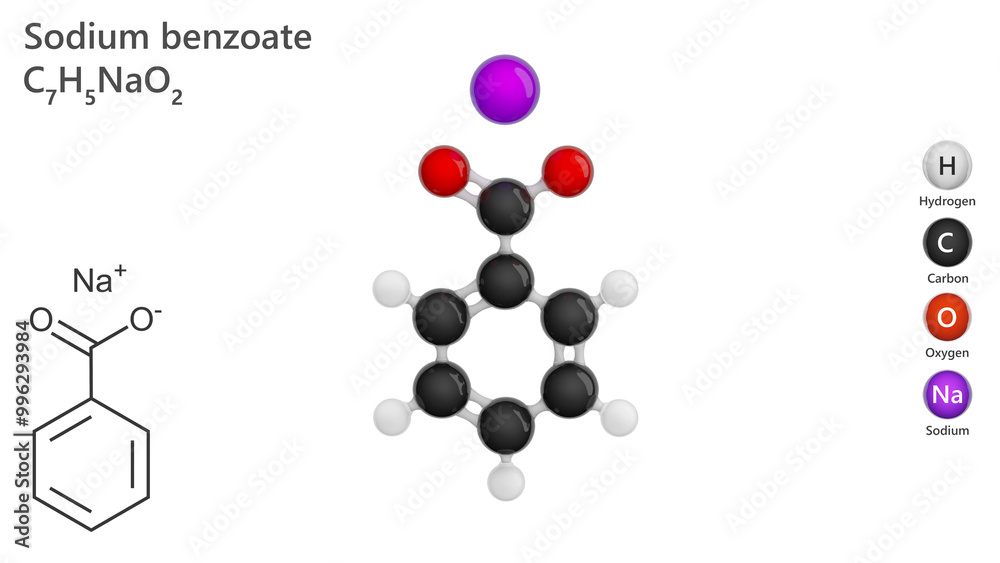
Is Sodium Benzoate A Carcinogen
Are you curious about the ingredients in your favorite foods and drinks? One common additive that has raised concerns is sodium benzoate. As a widely used preservative, it hel...
Are you curious about the ingredients in your favorite foods and drinks? One common additive that has raised concerns is sodium benzoate. As a widely used preservative, it helps extend the shelf life of many products, but is it safe for consumption? In this article, we'll delve into the world of sodium benzoate and explore its potential risks and benefits.
The primary purpose of sodium benzoate is to prevent the growth of mold and bacteria in food and beverages. It's commonly found in acidic products like fruit juices, salad dressings, and carbonated drinks. The advantages of using sodium benzoate include its effectiveness in preventing spoilage and its relatively low cost compared to other preservatives.
However, some studies have raised concerns about the potential health risks associated with sodium benzoate. For example, when combined with vitamin C, it can form benzene, a known carcinogen. This has led some to question whether sodium benzoate is a carcinogen itself.
While the evidence is still limited, it's essential to be aware of the potential risks. If you're concerned about sodium benzoate in your diet, consider choosing products with alternative preservatives or opting for fresh and natural ingredients instead.
 Sodium Benzoate—Harmfulness and Potential Use in Therapies for
To minimize your exposure to sodium benzoate, read labels carefully and check the ingredient list. You can also explore DIY recipes for homemade versions of your favorite products, allowing you to control the ingredients and preservatives used.
Ultimately, being informed about the ingredients in your food and drinks is key to making healthy choices. By understanding the purpose and potential risks of sodium benzoate, you can make educated decisions about your diet and reduce your exposure to this preservative.