
It turns out, feta cheese is a breeding ground for bacteria, especially if it's not stored properly. When feta is exposed to too much heat, moisture, or light, the bacteria can start to multiply like crazy, producing all sorts of toxins and making the cheese go bad. And, trust me, you don't want to eat cheese that's been colonized by uninvited guests - it's like a sci-fi horror movie in your mouth.
Now, you might be wondering, what are the signs of bad feta cheese? Well, let me tell you, it's not exactly subtle. Bad feta can have a slimy texture, a pungent smell, and a sour taste that'll make your face contort in disgust. And, if you're still not sure, just remember: if it looks suspicious, smells funny, or tastes off, it's best to err on the side of caution and toss it in the trash.
But, what if you've already eaten the bad feta? Well, don't panic just yet. While it's true that food poisoning can be serious, most people can recover on their own with plenty of rest, hydration, and bland food. Just think of it as a cheesy detox, and try to laugh at the absurdity of it all.
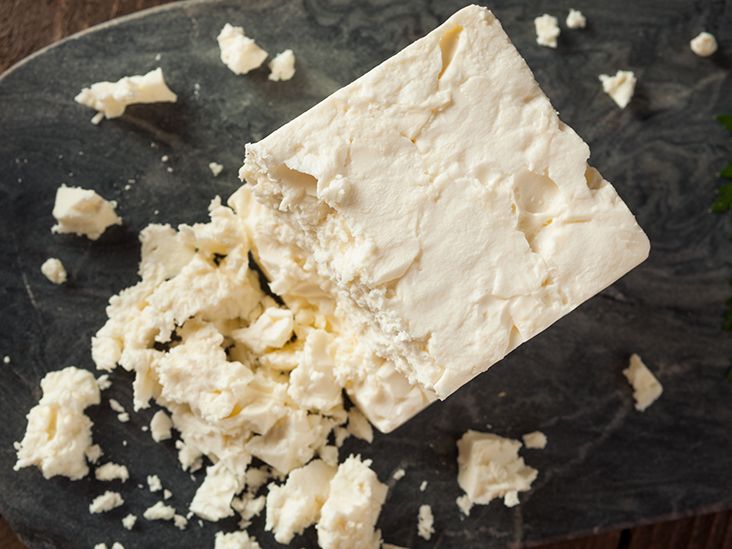 Feta Cheese: Good or Bad?
And, on a more serious note, it's worth mentioning that some people are more vulnerable to food poisoning than others, like the elderly, young children, and people with weakened immune systems. So, if you're in one of these groups, it's extra important to be careful with your cheese choices.

