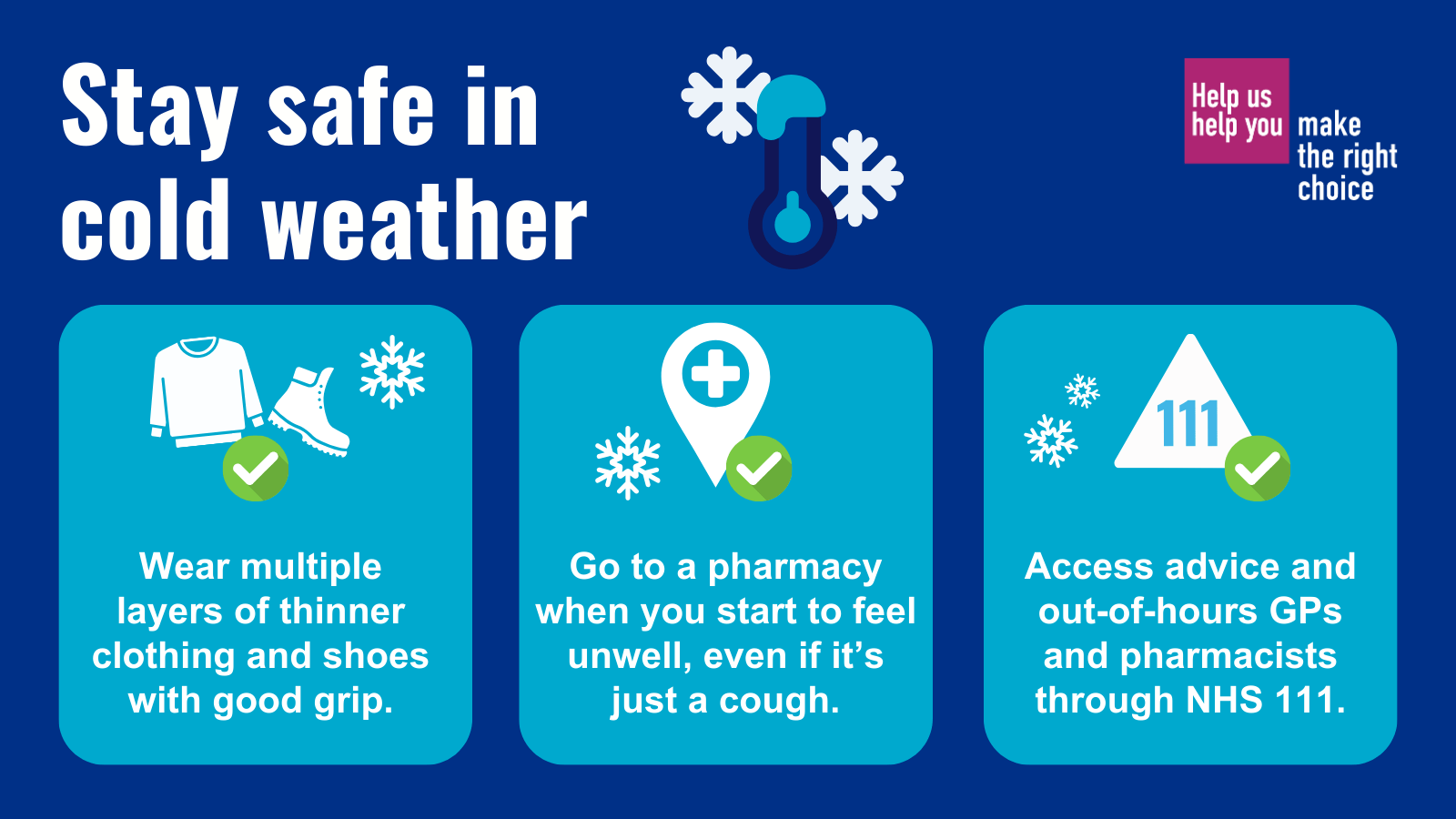
This advice hits different when you live in a house built in 1805, where the walls are basically made of whispers and old wallpaper. If you’ve ever tried to keep a Victorian terrace above 18°C in January, you know you’re basically funding a small power station. You end up wearing three pairs of socks and looking like a marshmallow with anxiety.
There’s a universal moment every winter when you walk from the living room to the loo and your breath does a dramatic fog performance. You think, "Right, I’ve entered the ice planet Hoth." The NHS guidance basically says: stop doing that. Stop playing survivalist. Turn the stupid heating on for an hour, you absolute hero.
I remember one particularly frosty February, I was convinced I could "tough it out" by drinking endless mugs of tea. By day three, my cat had burrowed so deep into my sweater that I looked like a two-headed mutant. The NHS would’ve taken one look at me and handed me a pamphlet on "How Not to Freeze Your Own Kidneys."
The ‘Granny Chills’ and the Mental Health Connection
It’s not just about physical shivers, you know. The NHS points out that cold homes can mess with your mood. Honestly, have you ever tried to be cheerful when your toes are the colour of uncooked pastry? It’s impossible. You snap at your partner for "breathing too close to your cold air." You become a grumpy little iceberg.
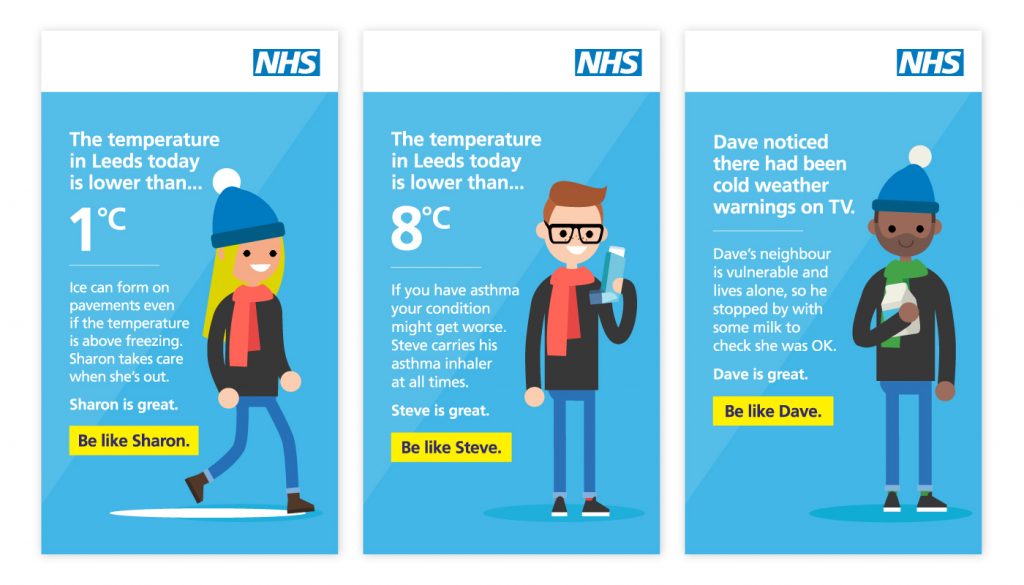 NHS launches temperature-triggered bus shelter ad campaign – Marketing
The cold also loves to pick on the vulnerable. The very young, the very old, and people with health conditions—they’re basically sitting ducks for a drafty window. You might think, "I’m fine, I’m tough," but your 75-year-old neighbour is probably wearing a hat indoors and pretending it’s a fashion statement. It’s not. It’s survival.
The environmental health officer in my brain likes to point out that 18°C is also the temperature where your pipes start to sulk. You’re balancing avoiding frozen pipes with avoiding frozen fingers. It’s a high-stakes game of thermal Tetris, and the NHS is just the referee.

