Is Food Dye Vegan
Many people enjoy the vibrant colors of food and drinks, which is often achieved through the use of food dyes. These dyes serve the key purpose of enhancing the appearance and...
Many people enjoy the vibrant colors of food and drinks, which is often achieved through the use of food dyes. These dyes serve the key purpose of enhancing the appearance and appeal of various products, making them more attractive to consumers. The benefits of food dyes are evident in everyday life, as they are used in a wide range of products, from fruit juices and candies to baked goods and beverages.
For instance, artificial food colors are often used in food products to create a more appealing color palette. However, with the growing interest in veganism, many people are starting to question whether these food dyes are vegan-friendly. The answer lies in the source of the dyes, which can be derived from either animal or plant sources.
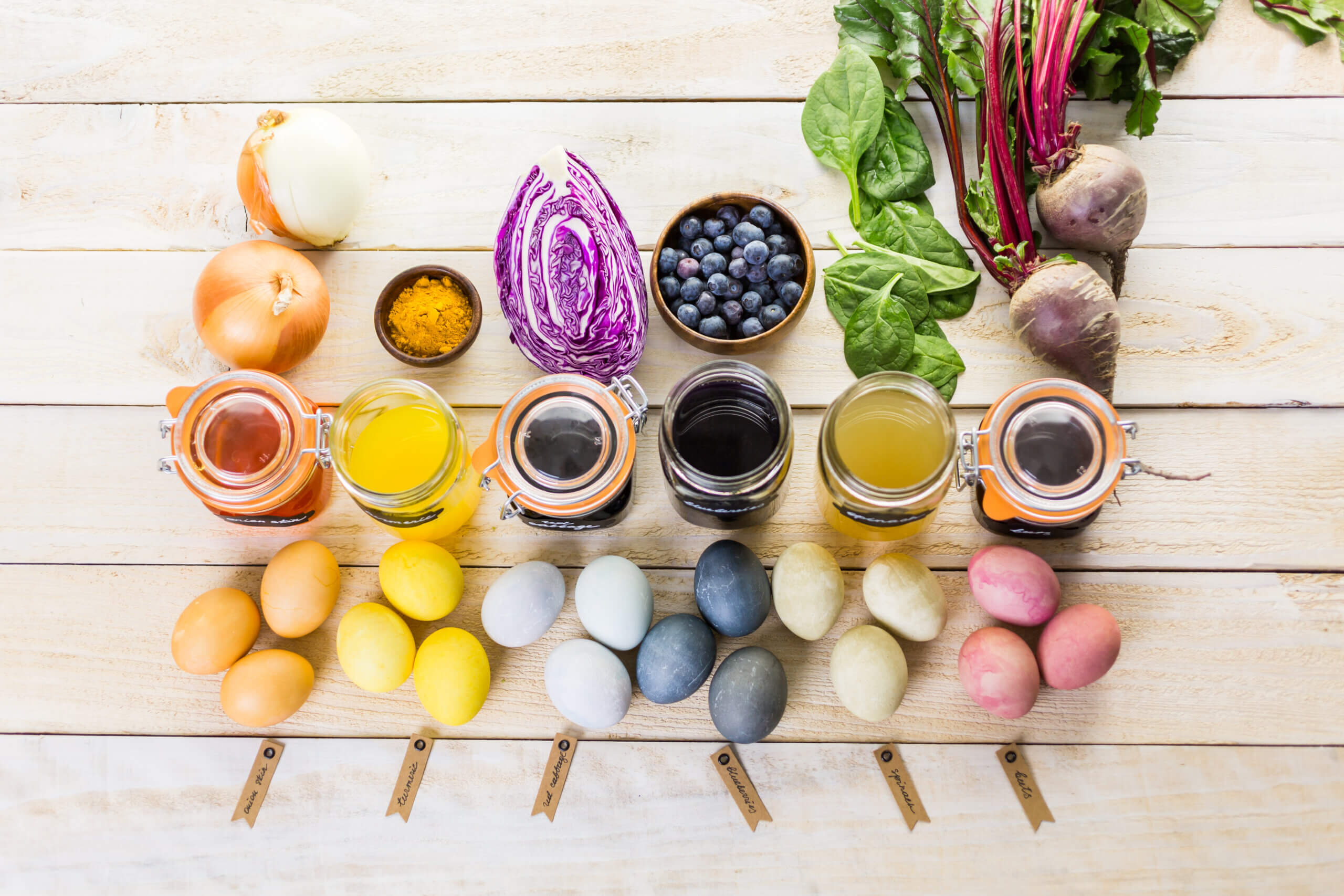
Some food dyes, such as carmine and cochineal, are derived from insects and are therefore not vegan. On the other hand, many food dyes are derived from plants and are considered vegan-friendly. For example, turmeric and beetroot are commonly used as natural food colorings.
To ensure that the food dyes used in products are vegan-friendly, consumers can look for certifications such as the Vegan Society logo. This logo indicates that the product has been verified to be free from animal-derived ingredients, including food dyes.
 Vegan Food Coloring: Natural Colors for Plant-Based Recipes
For those interested in exploring vegan-friendly food options, a few simple tips can be helpful. First, read labels carefully to check for any non-vegan ingredients. Second, choose products that use natural food colorings whenever possible. Finally, support companies that prioritize vegan-friendly and sustainable practices.
By being mindful of the source of food dyes, consumers can make informed choices about the products they buy and support a more vegan-friendly and sustainable food industry.