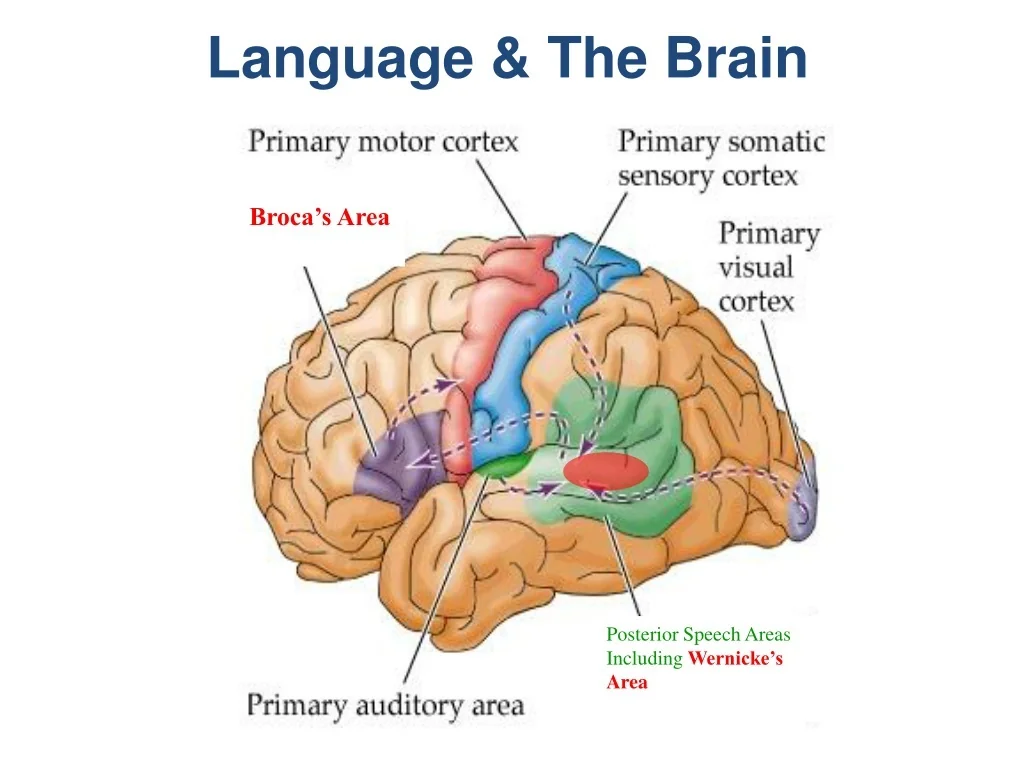
So, what happens when our brains are injured or damaged in some way? Can we still learn and use language? The answer is yes, thanks to the power of neuroplasticity. Our brains are able to reorganize and adapt, finding new ways to process language even if the usual areas are damaged. It's like the brain is a flexible and resourceful problem-solver, always finding new ways to communicate and connect.
This is especially cool when we think about language learning, and how our brains are able to rewire and adapt to new languages and dialects. It's like our brains are sponges, soaking up new words and grammar rules, and finding ways to use them in context. And the more we practice and use language, the stronger and more efficient our language processing becomes.
So, the next time you're chatting with a friend or reading a book, take a moment to appreciate the amazing process of language processing that's happening in your brain. It's a complex and fascinating process, and one that's still not fully understood. But one thing's for sure, it's what makes us human, and allows us to connect and communicate with each other in meaningful ways.