Here’s where it gets juicy. Major news events pay major money. Remember that plane landing on a highway? Or a volcano erupting right near a hotel? A clip of that can go for $10,000 to $50,000. Seriously. One guy caught a helicopter crash on his dashcam and reportedly walked away with over $30,000. Thirty grand. That’s more than my entire couch collection is worth.
But here’s the catch: timing is everything. If you’re the only person with footage, you’re king. If twenty people filmed the same thing? Your price plummets faster than a lead balloon. News stations don’t pay for nice footage. They pay for exclusive, immediate, and usable footage. They want the video in their hands before the internet meme-ifies it.
Who Actually Hands Over the Cash?
It’s not your local anchor slipping a hundred under the table. Most stations use third-party agencies like Newsflare, Stringr, or Storyful. These middlemen buy your video, then sell it to networks. They take a cut—usually 40% to 60%. Ouch, right? But they also handle the legal stuff and find buyers in Tokyo at 3 AM. Worth it? Depends on how much you like paperwork.
You can go direct to a station, though. Pick up the phone. Call the news desk. Say, “Hey, I’ve got video of a cow surfing a flood.” They might offer you $200 on the spot. Or they’ll laugh. Pro tip: never send the full clip before agreeing on a price. They might snip it, watermark it, and now you’re the cowboy with no horse. Keep a preview—short, blurry, tantalizing.
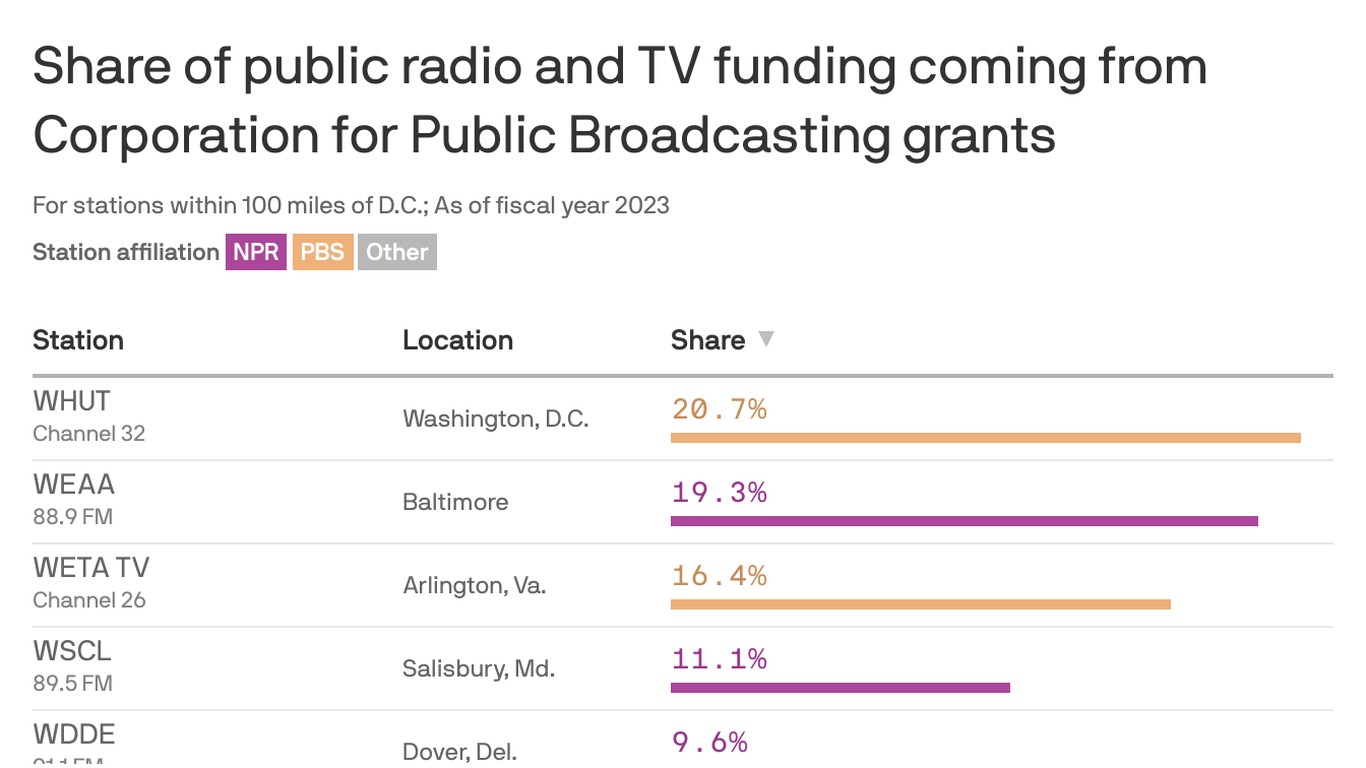 Which DC public TV and radio stations most rely on federal funds