Three Billboards Outside Ebbing Missouri Ending
I remember sitting in the dark theater when the credits rolled on *Three Billboards Outside Ebbing, Missouri*, and the guy next to me literally groaned. Not a happy groan, eit...
I remember sitting in the dark theater when the credits rolled on Three Billboards Outside Ebbing, Missouri, and the guy next to me literally groaned. Not a happy groan, either. It was that low, frustrated sound people make when a movie refuses to hold their hand. He muttered, “So that’s it? They just drive off together?” And honestly, I felt him. But let’s be real: if you wanted a neat little bow, you should have watched a Disney movie, not a film where a woman sets fire to a police station.
That ending—Mildred (Frances McDormand) and Dixon (Sam Rockwell) driving toward Idaho with a bottle of whiskey and zero clear plan—is the kind of conclusion that sticks to your ribs like bad Chinese food. You don’t forget it, and you don’t totally digest it either. It’s messy, it’s unresolved, and it’s perfect for the world Martin McDonagh builds—a world where anger doesn’t just evaporate, and forgiveness is a half-finished sentence.
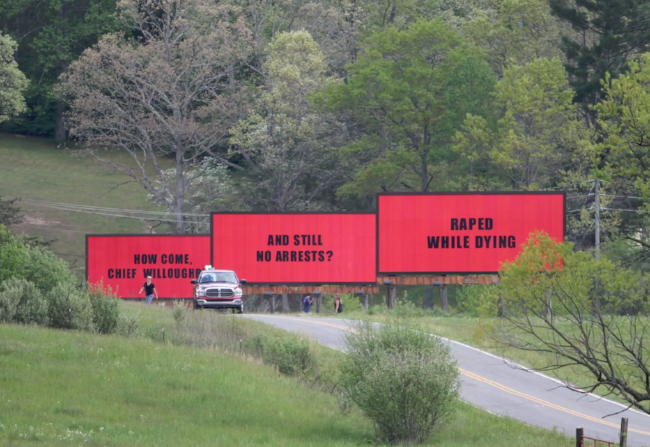
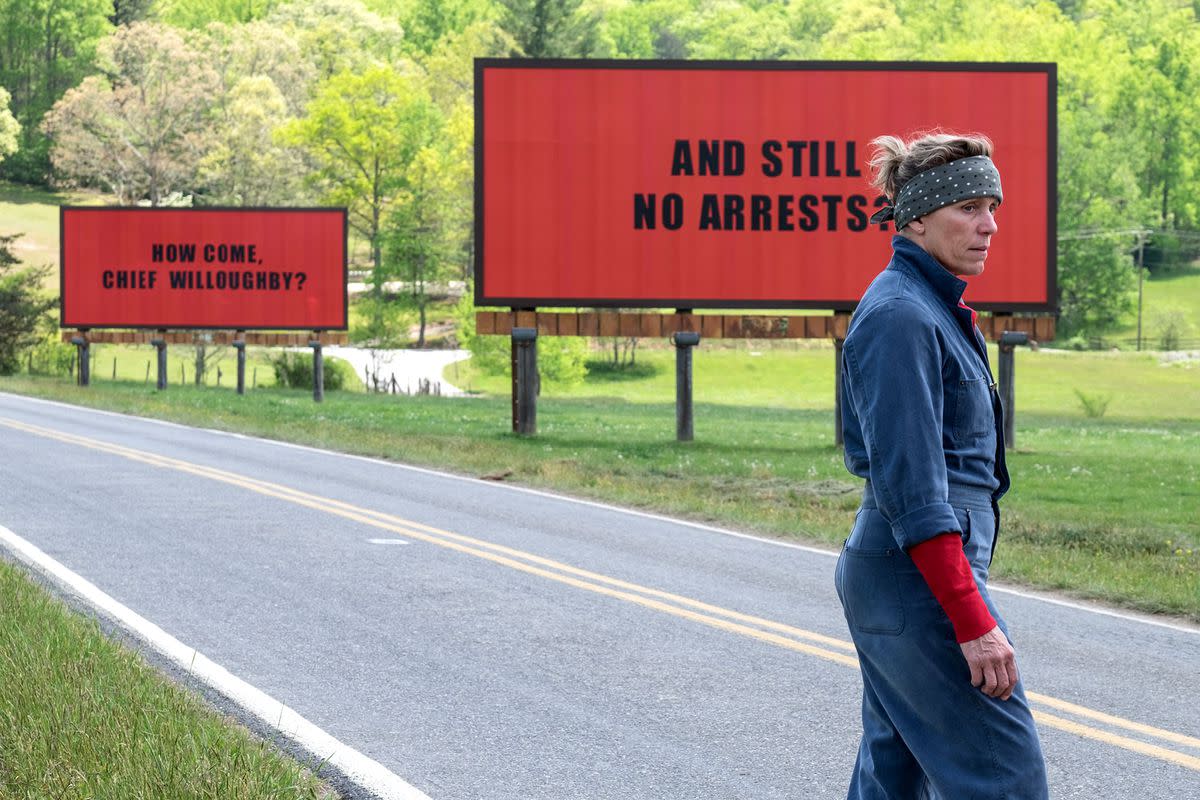
But why does this ending work so well? Let’s rewind, because it’s not random. The whole movie is a study in misplaced rage. Mildred is furious that the police haven’t caught her daughter’s rapist, so she blasts the town with three billboards. Chief Willoughby is dying of cancer, so he takes his own life, leaving a suicide note that basically says, “I’m sorry I couldn’t solve your problem.” And Dixon? He’s a racist, violent cop who finally has a sliver of a conscience after nearly beating a guy to death—and getting blown out a window.
Here’s the kicker: nothing about the central crime is solved. We never find out who killed Angela Hayes. That’s not a plot hole; it’s a philosophical statement. The film is saying: sometimes the world doesn’t give you the answer you think you deserve. You can scream, you can light fires, you can shame a whole town, and still—nothing. What do you do then? You can either stay stuck in that loop, or you can try something terrifying: change.
And that’s exactly what Mildred and Dixon do in that final car ride. Look at the clues McDonagh drops. Mildred has a brief moment of clarity when she admits, “No one can win.” Dixon, in his own weird way, agrees. They realize they’re both just angry people who have been handling their grief poorly. So when Dixon suggests they go kill that guy in Idaho—the one who might be the rapist—Mildred doesn’t say yes or no. She just… drives.
That ambiguity is the whole point. Are they actually going to murder a stranger? Or are they going to talk it out over a drink? The movie ends before we find out, and that’s brave. It trusts you to sit with the discomfort. I mean, seriously—how many Hollywood films end with two protagonists literally not knowing if they’re about to commit a felony? (Side note: I love that the bottle of whiskey is the “adult” version of a handshake. It’s not an agreement; it’s a ceasefire.)
 Movie Review – Three Billboards Outside Ebbing, Missouri
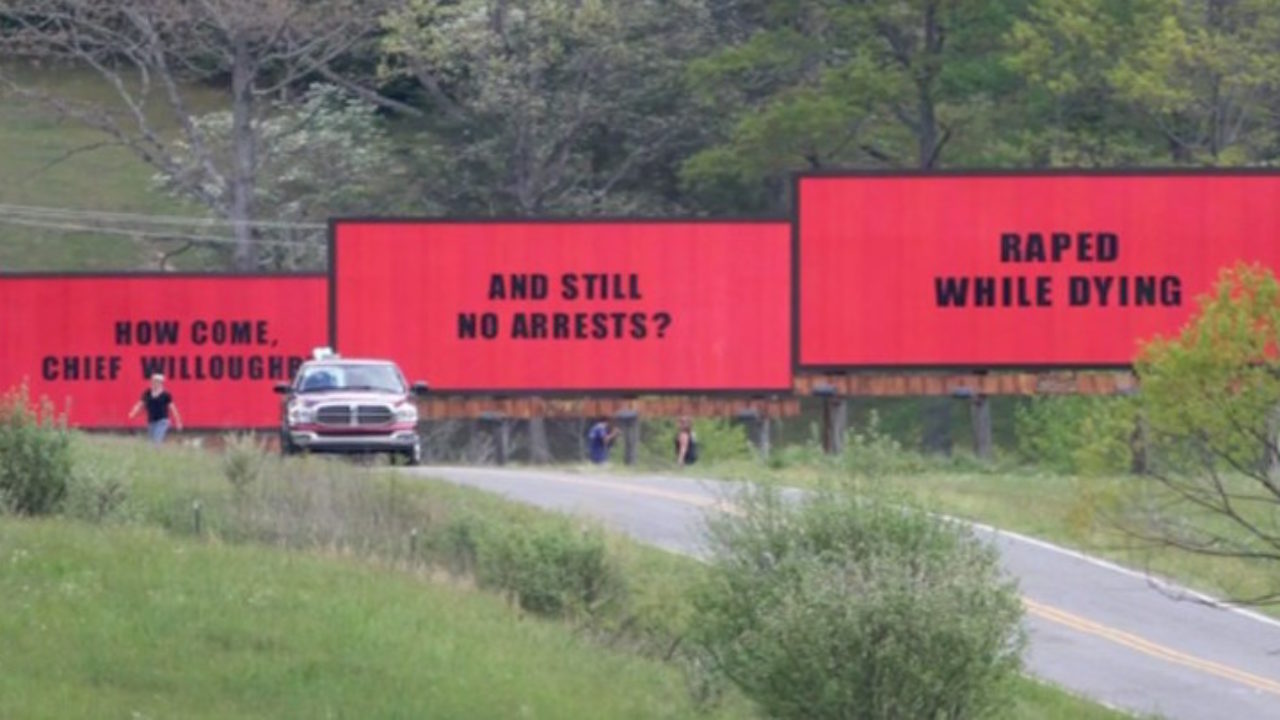
What makes it even more powerful is the tone shift. The film starts as a brutal, dark comedy—billboards with “RAPED WHILE DYING” in giant letters, a dead deer, a dentist drill in the thumb. By the end, the jokes have evaporated. You’re left with two broken people in a car, and the only sound is the engine and their hesitant voices. It’s not funny anymore. It’s earnest. And that shift mirrors real life: you can joke for a while, but eventually, you have to sit with the ache.
Some viewers argue it’s a cop-out. They want catharsis—Dixon arrested, Mildred victorious, the killer caught. But that would be a lie. Catharsis isn’t real; it’s a fantasy we sell ourselves. Real grief doesn’t end with a courtroom scene. It ends with you staring at a motel sign, wondering if you’re going to do something stupid, and then deciding to keep driving.
Funny thing: the final line of dialogue is Dixon asking, “Are you sure about this?” and Mildred saying, “Not really.” That’s it. No grand speech. No epiphany. Just two people who have spent the entire movie trying to control everything, finally admitting they have no clue what’s next. It’s the most honest moment in the film. (And honestly, isn’t that what adulthood feels like? You’ve got the keys, a half-baked plan, and a strong suspicion you’re about to mess up.)
 Explaining the end of Three Billboards Outside Ebbing Missouri - Film
So why do we love this ending—or at least, why does it haunt us? Because it reflects a truth we don’t like to admit: closure is a luxury. Mildred will never get her daughter back. Dixon will never erase his past. The billboards will come down. And that’s okay. What matters is that in that car, they choose to be less angry together than they were apart. That’s not a happy ending—it’s a human ending.
To me, the final shot—the road stretching ahead, the empty beer bottle on the dashboard—is a promise. Not a promise of justice, but of possibility. They might turn around. They might go through with it. They might laugh or cry or just sit in silence. The movie doesn’t care which one you pick; it cares that you’re still asking the question. And maybe, just maybe, that’s the bravest thing a film can do: leave you stranded on the edge of a decision, without a map, wondering if you’ll take the right exit.
So yeah, I get why my theater buddy groaned. But I also think he missed the point. The ending of Three Billboards isn’t about resolving a murder—it’s about what happens after you realize you’re not the hero of your own story. And sometimes, the only way forward is to grab a stranger, a bottle, and a road that has no name. That’s not a non-ending. That’s life.

