First, don’t panic if your gauge goes a tick above 220°F on a hot day or while climbing a mountain. That’s normal—your engine works harder and temps spike briefly. But if it stays high for more than a minute, turn off the A/C, turn on the heater (yes, it’s miserable, but it pulls heat away), and coast to a safe spot.
Second, check your coolant level when the engine is cold. Pop the hood, look for a translucent plastic tank with MIN and MAX marks. If it’s low, top it up with a 50/50 mix of coolant and distilled water. Please don’t use tap water—minerals will clog your radiator faster than a clogged drain in a barbershop.
The Silent Killers: Air and Leaks
Your coolant temperature can misbehave even when full. If you see bubbles in the reservoir or a sweet smell from the exhaust, you might have a blown head gasket. That’s the expensive kind of headache. Or you could have air trapped in the system—a common issue after a coolant flush. To burp the system, let the engine run with the radiator cap off (cold engine, of course) until bubbles stop.
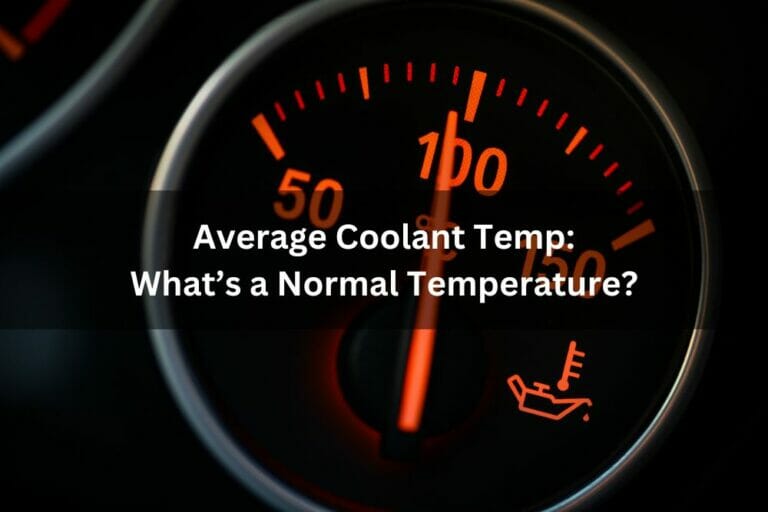 Average Coolant Temp: What’s A Normal Temperature?
Lastly, don’t trust a cracked or broken gauge. I once assumed my car was “fine” because the needle sat low, but I hadn’t realized the sensor was dead. A quick $15 sensor replacement saved me from a $1,500 repair. Pro tip: Buy a cheap OBD-II Bluetooth scanner from Amazon—it gives you real-time engine temperature on your phone. It’s like having a mechanic in your pocket.