
In dry climates—think Nevada, Utah, or Arizona—higher humidity is a gift. Dry air zaps moisture from your skin, nose, and furniture, making everyone feel like a raisin. A swamp cooler adds that moisture back, so you breathe easier and your sinuses stop screaming.
But—and this is a big but—it only works if your air is dry enough. Most evaporative coolers need outdoor humidity below 40 percent to function well. If it’s muggy outside, you’re just blowing wet, hot air into your face. (Kind of like a hair dryer aimed at a sponge, honestly.)
Here’s the irony: You might run your swamp cooler to escape the heat, and then your indoor humidity creeps so high that you feel sticky. It’s a trade-off—cooler air for heavier air. Your call on which one bugs you more.
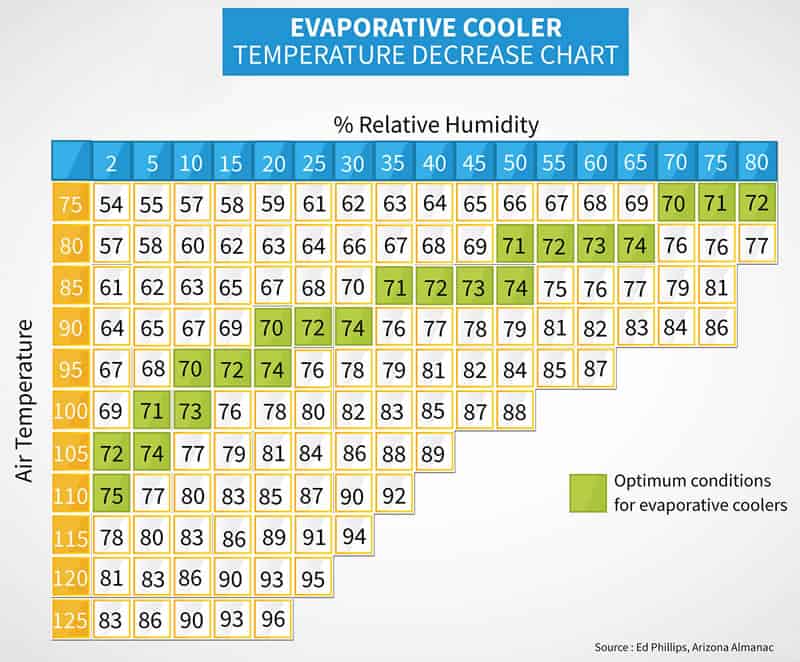 Do Swamp Coolers Work In Humid Areas? – ILTCN
The “Swamp” Factor: When It Goes Wrong
Mark learned this the hard way: If your room isn’t ventilated, humidity crashes the party. Without an open window or exhaust, the moisture has nowhere to go, and your space turns into a steam bath. You’ll see condensation on windows, musty smells, and maybe even mold if you’re unlucky.
Trust me, mold is not your friend. It’s the uninvited guest that never leaves. In humid zones—Florida, Louisiana, the Gulf Coast—using an evaporative cooler is borderline insane. (You’re already swimming in air; why add more water?)
But for dry-climate dwellers, a little humidity is fine—even welcome. The key is balance. Aim to keep your room’s relative humidity between 40 and 60 percent. Below 40? Run the cooler. Above 60? Crack a window or switch to a fan.

