
When water freezes in your pipes, it expands. That expansion creates pressure—like an angry giant stretching inside your walls. And when that pressure gets too high? Boom. A burst pipe, a flooded basement, and a very expensive plumbing bill. But here’s the good news: you have the power to stop it before it starts.
Think of freezing pipes as uninvited guests at a party. You don’t have to let them in. A little prevention goes a long way—and it’s way cheaper than a cleanup crew.
Step One: Keep the Heat Flowing
Heat is your pipe’s best friend. When the temperature drops below 20°F (-6°C), turn up the thermostat—even if you’re not home. I know, I know, you want to save on heating bills. But a small hike in temperature now saves you from a catastrophic repair later. Trust me, your wallet will thank you.
Set your thermostat to at least 55°F (13°C) when you’re away. That’s not tropical, but it’s warm enough to keep the water molecules from getting too cozy and forming ice crystals. It’s like giving your pipes a tiny, invisible sweater.
Step Two: Open Those Cabinet Doors
This one feels almost too simple, but it works like a charm. Open the cabinet doors under your kitchen and bathroom sinks. This lets warm air from your home circulate around the pipes. Go ahead—embrace the chaos. Your pipes won’t look elegant, but they’ll stay unfrozen.
Just remember to move any toxic cleaning supplies out of reach if you have kids or pets. Safety first, pipe-saving second. But hey, it’s a two-fer: clean pipes + a safer home.
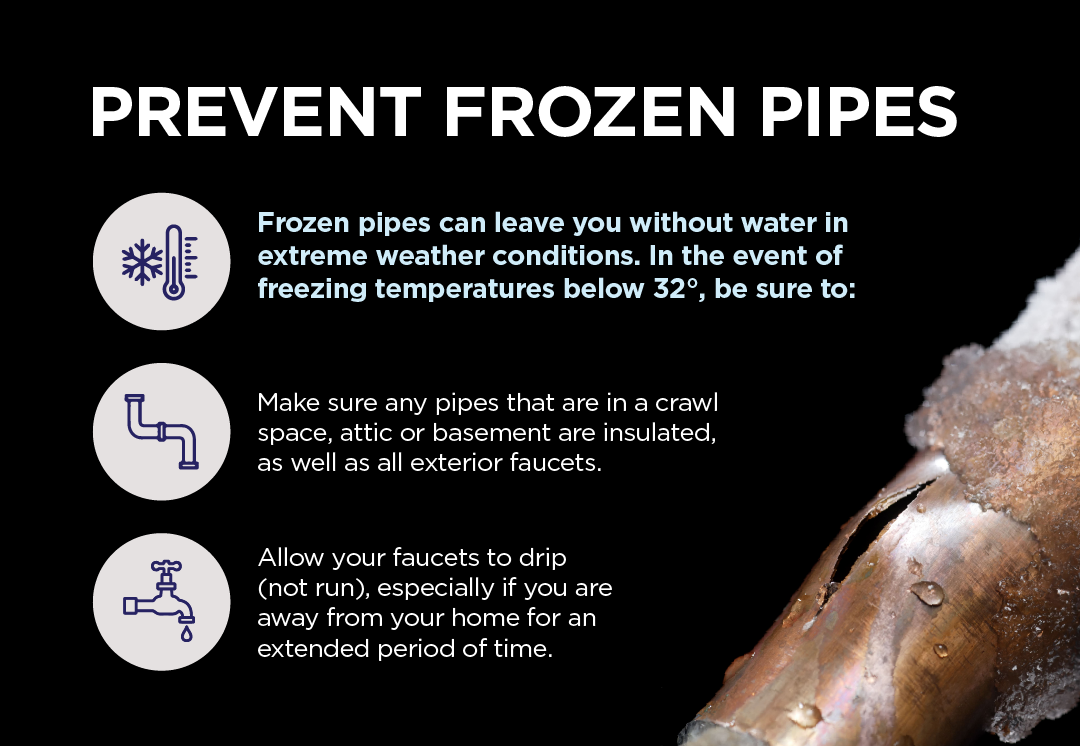 Prevent Your Pipes from Freezing | Greenville Water
Step Three: Let It Drip
Here’s a little tip that sounds wasteful but is actually a genius cheat code: let a small trickle of water drip from your faucets—especially those on exterior walls. Moving water is way harder to freeze than still water. A slow drip keeps the molecules dancing, which prevents them from locking into ice.
Think of it as a tiny, constant party inside your pipes. And the best part? The drip will cost you pennies, while a burst pipe could cost you thousands. Math doesn’t lie, folks.
Step Four: Seal the Gaps (Be a Draft Detective)
Cold air loves a crack. It sneaks in like a ninja, then attacks your pipes from the outside. Check around windows, doors, and especially where pipes enter your home. Fill those gaps with caulk, spray foam, or even an old towel. You are now the guardian of your home’s thermal fortress.
Don’t forget outdoor hose bibs—disconnect your garden hoses and shut off the water supply to outdoor spigots. Let them drain completely. That’s like giving your exterior pipes a day off at a warm spa.
Step Five: Insulate Like It’s a Cozy Blanket Festival
Buy foam pipe insulation sleeves from your local hardware store. They’re cheap, easy to cut, and slide right onto exposed pipes in basements, attics, and crawl spaces. It’s like wrapping your pipes in a hug. A warm, protective hug that costs less than a pizza night.
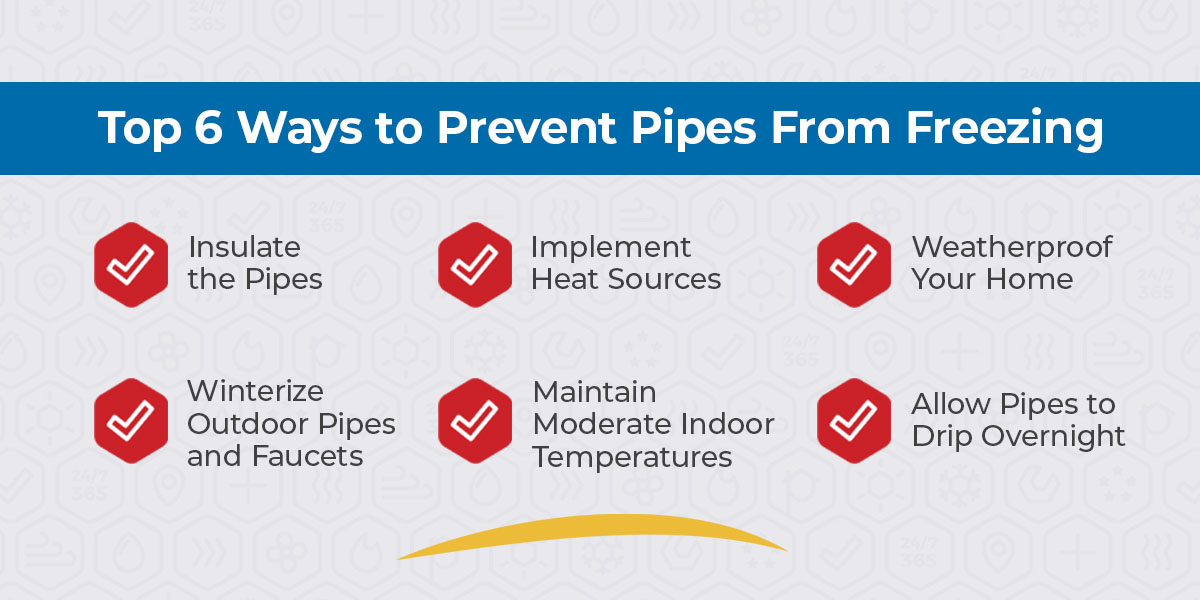 How to Prevent Pipes From Freezing - Perfect Home Services
And if you’re feeling extra crafty, you can use heat tape. Just follow the instructions carefully—safety is the coolest accessory you can wear.

