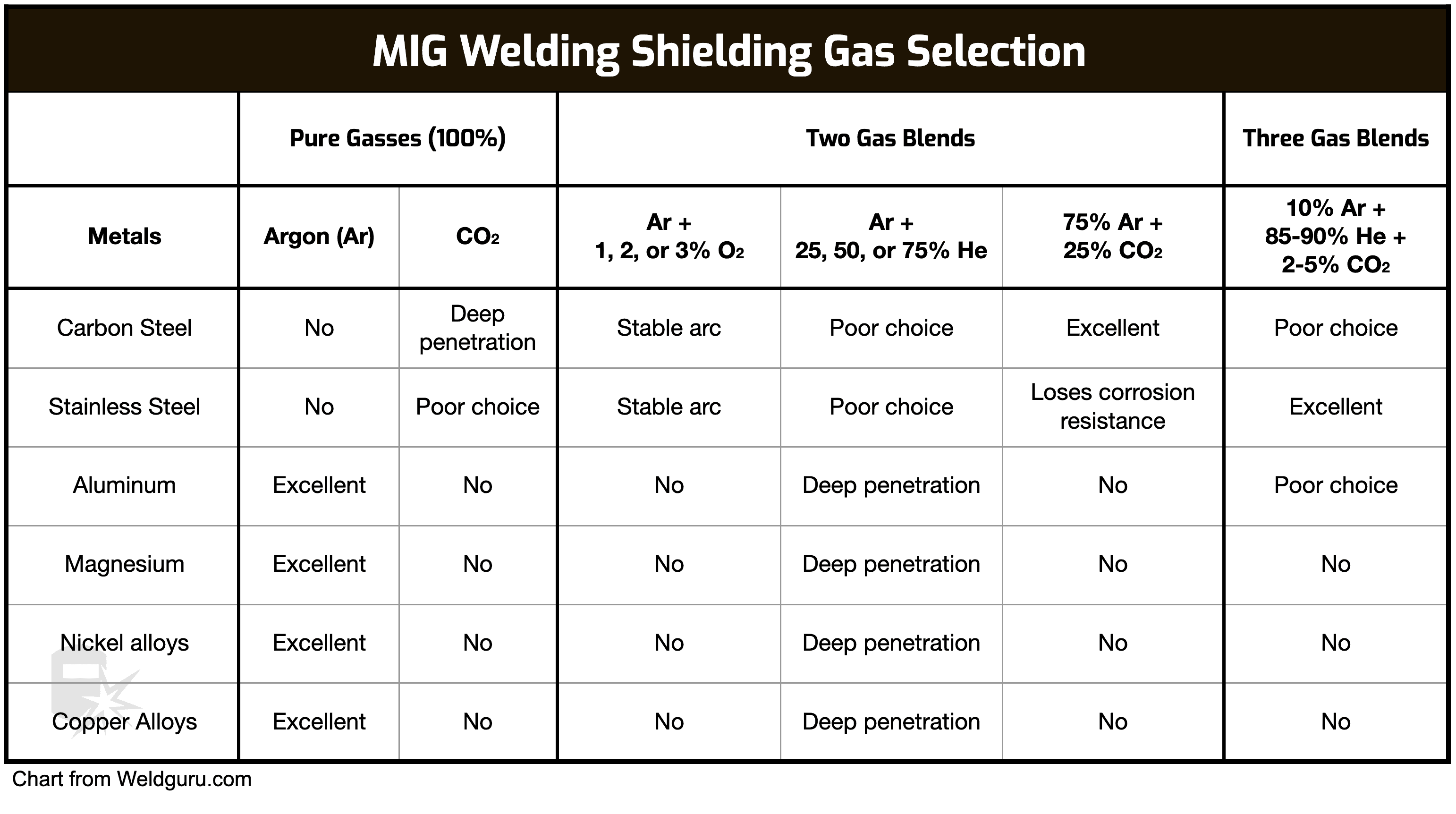
Good question! Aluminum is a bit of a drama queen when it comes to heat. It melts at a lower temperature than steel, but it also forms a tough oxide layer that’s like a stubborn shield. Argon, being a noble gas, doesn’t react with anything—it just pushes the bad air away while you weld. This prevents oxidation and lets your weld pool stay clean and fluid.
Ever tried welding aluminum with a steel gas mix like C25 (argon/CO₂)? You’d get a sputtering, sooty mess that looks like a burnt marshmallow. The CO₂ would react with the aluminum and create a nightmare of porosity. So, yeah, don’t do that. Stick with argon, and your welds will be smooth as butter.
But what about helium? Isn’t that a thing?
You’re sharp! Helium is indeed used sometimes, but it’s the wild cousin of argon. For most hobbyists and pros, pure argon is the go-to. Helium is lighter and lets you weld thicker aluminum faster because it puts more heat into the metal. Ever watched a helium balloon float away? That’s the same gas—it’s expensive and a bit tricky to control.
If you’re welding something super thick, like a boat hull or a truck frame, you might add a bit of helium to the mix. But for your average home project—like a bike frame, a table, or a broken lawn chair—just stick with 100% argon. It’s easier on your wallet and your sanity.

