
You don’t need a PhD in chemistry to figure this out. Your senses are your best friends here. First, sniff it. If it smells like rancid oil or weird chemicals—not the usual beachy scent—it’s past its prime. Next, look at it. If the lotion is watery, chunky, or separated into layers, toss it immediately. Sunscreen should be smooth and uniform, like a good layer of frosting on a cupcake.
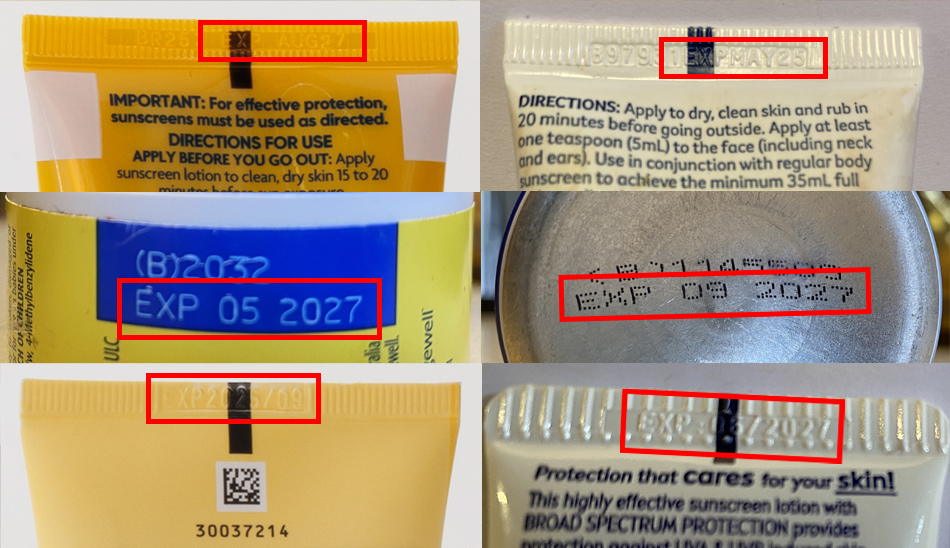 Can your sunscreen expire?
Also, check the texture. If it feels gritty or goopy, it’s probably expired. That’s not an exfoliating feature—it’s a sign of decay. And finally, trust your gut. If you bought that bottle three summers ago and it’s been living in your car’s hot trunk, just assume it’s retired. Like a worn-out pair of flip-flops, it’s time for a replacement.
Storage Secrets: How to Make It Last Longer
You can extend your sunscreen’s life if you treat it with the respect it deserves. Keep it cool. Sunscreen hates heat, so don’t leave it on the beach towel, in direct sunlight, or inside a hot car. That’s like putting it in a sauna and expecting it to perform. Instead, store it in your bag’s shaded pocket or even a cooler alongside your drinks.
Also, close the cap tightly. Air is an enemy, so don’t let it sneak in. If you’re using a spray, hold the nozzle upright to avoid clogs. And here’s a pro tip: write the purchase date on the bottle with a permanent marker. That way, you’ll know it’s from your current beach trip, not the one you took in 2019 with your ex. (Yikes, remember them?)

