
The backlash was pretty straightforward. A lot of folks pointed out that “building a wall” has become a loaded political symbol, tied to immigration debates and border policies that divide people. Even if the game was just innocent brick-stacking, the context made it feel tone-deaf.
Think of it like this: imagine a game where you stack pancakes to make a “Great American Breakfast.” That’s harmless. But if you named it “The Great Wall of Breakfast,” suddenly you’re asking for trouble.
The government’s response was typical: they said they wanted to keep Arcade.gov a “fun, non-political space.” Oops. They probably didn’t expect their little puzzle game to become a political football.
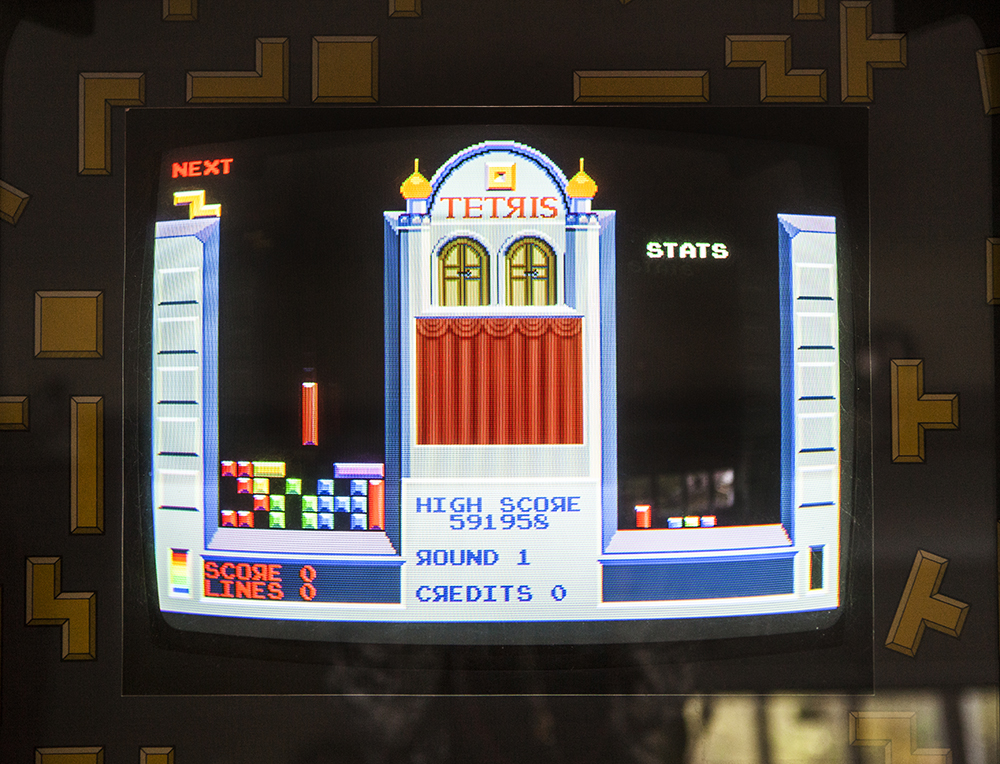 Xbox 360 | Retro Video Gaming
But Here’s the Cool Part
From a purely nerdy perspective, this whole saga is fascinating. It’s a reminder that games aren’t just games—they’re cultural artifacts. A simple Tetris clone with a thumpy name can spark real-world debates about free speech, censorship, and what’s “appropriate” for a government website.
I mean, compare this to something like Minecraft, where you literally build anything, walls included. Nobody gets mad at Minecraft for letting you create a fortress, right? But the moment you give it a specific label, the context changes everything.
It’s like the difference between eating a plain potato chip and one shaped like a controversial cartoon character. The chip is fine, but the shape makes people talk.

