
Back in Victorian England, wealthy families would give their servants the day off on December 26th—because who wants to scrub dishes after eating goose for two days? But here’s the kicker: they’d also hand them a “Christmas box”—a small, often wooden box filled with money, gifts, or leftover turkey. Imagine getting a box of cash for cleaning up after your boss’s family dinner. Not bad, right?
This wasn’t just a one-off tip. Servants had to work on Christmas Day itself—setting the table, carving the roast, and polishing the silver—so Boxing Day was their post-holiday reward. The “box” was a literal container for gratitude. And honestly, it’s a bit ironic that a day meant to thank the working class turned into a shopping frenzy. But we’ll get to that.
But wait—there’s another theory
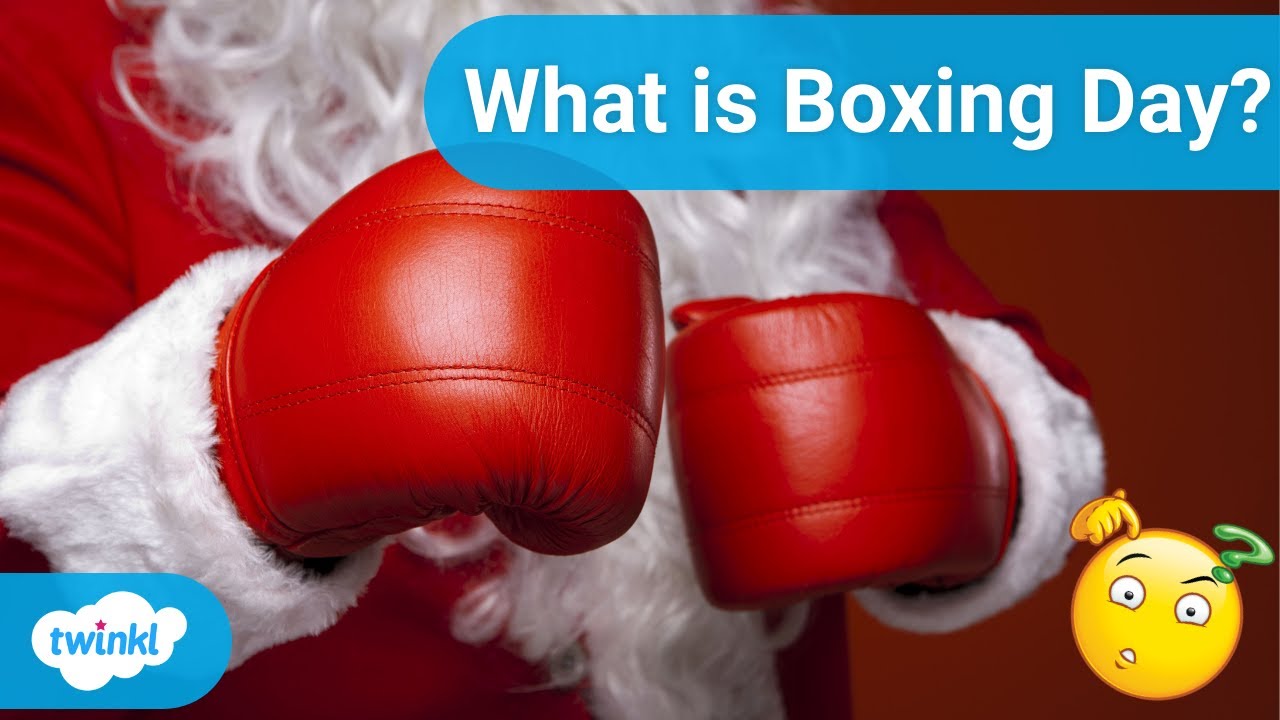
Some historians argue the name comes from church “alms boxes”—wooden boxes placed near the altar to collect donations for the poor. On December 26th, priests would crack them open and distribute the contents to needy families. So you have two perfectly valid origins: one for servants, one for the penniless. Either way, it’s about giving stuff away in boxes, not punching someone in the face.
Of course, because humans can’t agree on anything, there’s a third theory involving sailors and ships. Apparently, when a ship returned from a voyage, captains would hand out sealed clay boxes—called “boxes of good luck”—to crew members. If the box remained unbroken, it meant the sailor had survived the journey. Charming, but also a bit morbid. I prefer the servant one, honestly.
 Why Is It Called Challenger Deep

