
Can I Take Tablets On A Plane
So there I was, shuffling through airport security at 6 AM, still half-asleep and clutching my carry-on like it held the secrets to the universe. The TSA agent, who looked lik...
So there I was, shuffling through airport security at 6 AM, still half-asleep and clutching my carry-on like it held the secrets to the universe. The TSA agent, who looked like he hadn't smiled since 2003, pointed at my bag and asked, "Any tablets?" My brain short-circuited. Tablets? I thought. Did he mean the iPad in my backpack, or the three blister packs of ibuprofen I'd shoved in my jacket pocket because my back was killing me? I froze, and for a solid five seconds, I genuinely considered whether I was about to be arrested for trying to board a plane with Advil.
Let's be real: you've probably had that moment, too—standing in line, wondering if your medication stash looks suspicious. The truth is, yes, you can take tablets on a plane, but the rules depend on whether you're talking about medication pills or electronic tablets. And honestly, the difference between the two can feel like a comedy routine when you're travel-weary and caffeine-deprived.
First up: medication tablets—the little guys that help you survive the flight (and the vacation). Good news: the TSA is totally fine with them, whether they're over-the-counter or prescription. You can toss them in your carry-on or checked luggage, no questions asked. But here's the kicker: if you're carrying liquid meds or needles (like insulin), things get a bit messier—you'll need to declare them separately. But for a standard bottle of painkillers or antihistamines? You're golden. Just don't bring a year's supply in unmarked baggies, okay? That's how you end up having a "conversation" with a uniformed officer about your "herbal supplements."
Now, about electronic tablets—your iPads, Surfaces, or whatever shiny slab you use to watch movies mid-flight. Yes, bring them. Airlines practically expect it. But the drama starts at security. You'll have to whip that thing out of your bag and plop it into a separate bin, just like your laptop. And if your tablet is super old or has a clunky case, the agent might ask you to turn it on to prove it's not a hollowed-out bomb. One time, a guy in front of me had a battery-dead tablet, and the agent made him wait while it charged for five minutes. The guy looked like he wanted to cry. Pro tip: charge your stuff before you fly. You'll thank me later.
Here's where it gets ironic: you can bring both types of tablets—the kind you swallow and the kind you swipe—but the rules for them are weirdly opposite. Medication pills? You can keep them in your pocket, no drama. Electronic tablet? Must be fully visible, removed from bag, and possibly powered on. It's like the TSA thinks your prescription bottle is harmless, but your Kindle might be a secret weapon. Go figure.
 Lightweight Tablet Holder For Airplane Tray Table – Lieber's Luggage
But what if you're flying internationally? Ah, now we're talking. Some countries, like Japan or the UAE, have strict laws about certain medications. For example, codeine-based painkillers or ADHD meds can get you in serious trouble if you don't have a doctor's note. Always check the embassy's website before you pack. Nothing kills a vacation vibe faster than a customs officer asking, "Where's your prescription for that allergy pill?" Meanwhile, electronic tablets are usually fine worldwide—just ensure you don't have any weird, bulky external batteries that might freak out the scanners.
Oh, and a tiny side note: don't be that person who tries to mix up the two types of tablets for a joke. I once saw a guy at security hold up his iPad and say, "This is my headache medicine." The agent did not laugh. Not even a smile. Just a flat stare and a sigh. Security personnel have zero sense of humor at 6 AM. Keep your jokes for the Uber driver.
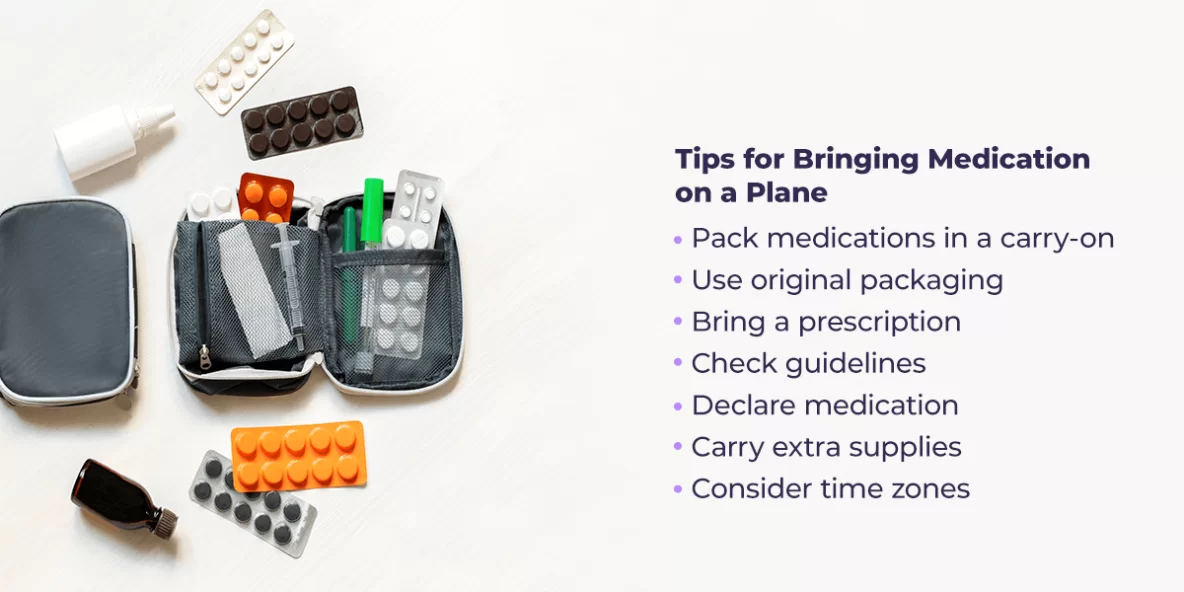 Guidelines For Bringing Prescription Medication On Flights
Let's talk about the actual flight experience. Once you're past security, you can pop your medication tablets with water from the airport fountain (gross, but effective) and then fire up your electronic tablet to watch a terrible rom-com. Nobody cares. The flight attendants only get weird if you're swallowing pills from a bottle that looks homemade. So keep things in original packaging if you can. I learned this the hard way when I transferred my ibuprofen into a tiny, unlabeled tin—and then sneezed during boarding. The flight attendant gave me the look.
Bottom line: you are allowed to take both tablets on a plane, but pack smartly. For meds: bring enough for your trip, plus a couple extra days, and keep them in your carry-on in case your checked bag goes to Bermuda. For electronics: whip them out at security, keep them charged, and don't act suspicious. It's that simple. The rest is just your anxiety talking—and maybe a lack of sleep.
So next time you're at the gate, clutching your boarding pass and your Advil, remember: you're not a smuggler, just a traveler. And if anyone asks, just say, "Yes, I have tablets." Then wait for them to clarify. Because the agent might be asking about your iPad—or your pain relief. Either way, you've got it covered. Now go enjoy your flight, and try not to spill ginger ale on your screen.

