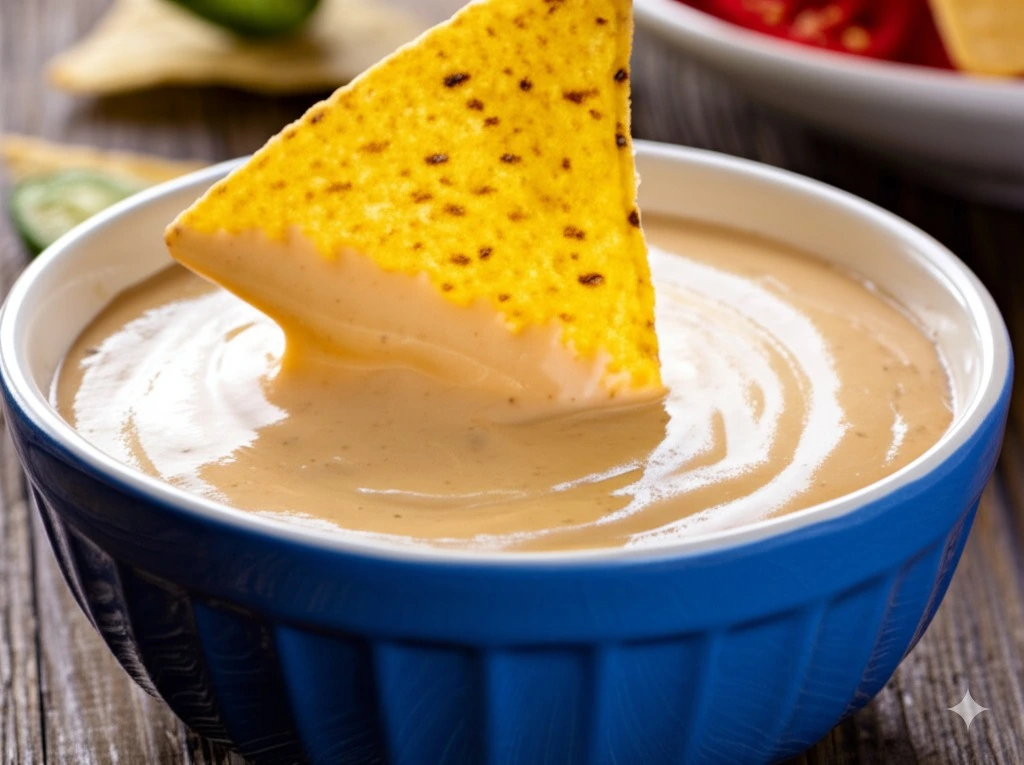
Your nose is your first and most powerful weapon here. If you open that cup and it smells like a forgotten gym sock dipped in regret, do not eat it. Fresh Chipotle queso should smell like warm, cheesy ambition. If it smells sour, acidic, or like it’s plotting against you, it’s time to say goodbye.
Look at the texture, too. Fresh queso is smooth, creamy, and slightly thick—like a velvet blanket for your tortilla chips. If you see separation (that weird watery layer on top), that’s normal after a day or two. But if it looks curdled, chunky, or like cottage cheese that fell in a mud puddle, that’s bacteria doing its happy dance. Toss it.
Here’s a surprising fact: Chipotle queso actually has a shorter shelf life than most store-bought cheese dips because it’s made with real milk, cream, and cheese. No, seriously, there’s no sci-fi powder in there. It’s perishable, and it spoils faster than a teenager’s good mood.
The "Sniff Test" is Not a Joke
I know, I know—you’re thinking, “But I’m a brave soul. I can handle a little funk.” Wrong. If you eat queso that’s gone bad, you’re not being a warrior; you’re entering a lottery where the prize is food poisoning. Stomach cramps, nausea, and a conversation with your toilet you’ll never forget are the real prizes. So please, for the love of chips, trust your nose.
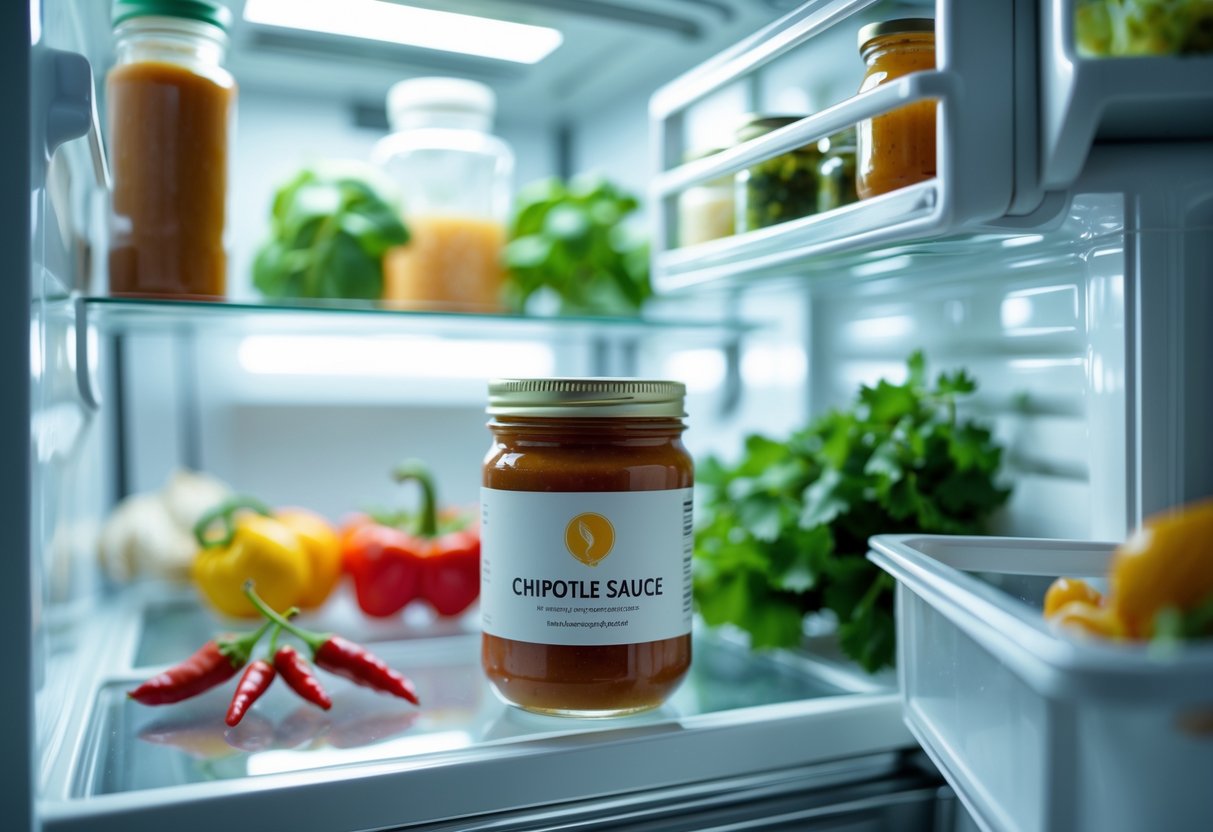 How Long Does Chipotle Sauce Last in the Fridge? Storage & Recipe Tips
By day four, you’re living dangerously. By day five, you’re basically playing Russian roulette with a cheese sauce. And if you’ve left it sitting out on the counter for more than two hours (like after a party where everyone “forgot” to put it back), the clock resets to zero. The USDA says food in the “danger zone” (40°F-140°F) breeds bacteria like a college party breeds bad decisions.