
Now, you might be thinking, “Okay, cool story, but does it matter if I don’t know their surnames?” Well, yes, because it turns a simple shopping trip into a tiny slice of human history. When you grab that pack of 20 party balloons for a quid, you’re connected to a little bit of British retail folklore.
It also explains why B & M feels different from the big, faceless supermarkets. They started small, like a local corner shop. That’s why the aisles are narrow, the deals are weird, and you always find something you didn’t know you needed—like a cactus-shaped salt shaker or a novelty fridge magnet.
The Everyday Magic of a Name
Think about it this way: every time you see those two letters, you can imagine Mr. Billington and Mr. Mayman shaking hands in 1978. They had a dream to sell cheap custard creams and maybe a few gardening tools. Now, that dream lives on every time you scan your loyalty card.
So next time you’re in line, and the person in front of you has a trolley full of pumpkin spice candles and a giant inflatable flamingo, give a little nod to the founders. You’re not just a shopper; you’re part of a very low-key legacy.
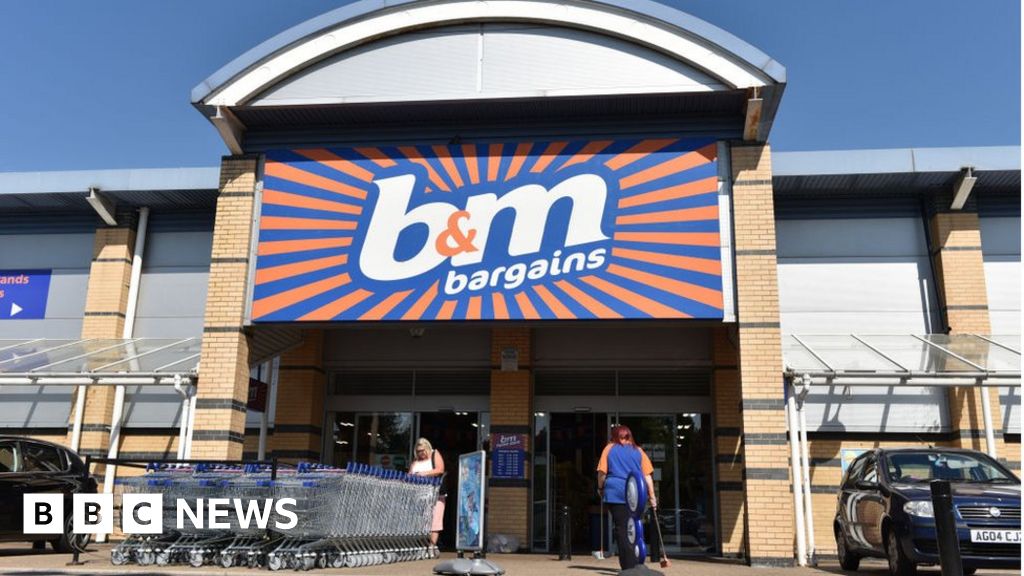 B&M discount chain to open up to 45 stores
And remember: if you ever forget, just pretend it means Biscuits & Mugs. That’s honestly what I buy most often anyway. It’s a truth that feels as good as the real one—and twice as tasty.

