
The list includes spots we daydream about: volcanic islands in Indonesia, bustling markets in North Africa, and serene temples in Southeast Asia. Sure, there might be a mention of “political tension” or “increased risk of petty crime.” But petty crime happens in every city on Earth. The real question is: are you going to let a bureaucratic document stop you from eating the best street food of your life?
I say no way. A warning is just a signal to be smarter, not scared. It’s like the warning label on a hair dryer that says “don’t use in the shower.” You’re not going to stop drying your hair forever; you’re just going to be a little more careful while doing it. Same goes for that trip to the tropical paradise that currently has a “Level 2: Exercise Increased Caution” sticker on it.
The Secret Weapon: Your Inner Detective
Here’s where the fun begins. Instead of looking at these 55 destinations and sighing, you get to play travel detective. You look up the specific warning. “Huh, volcanic activity in Bali? Okay, I’ll check the local monitoring site and pack a dust mask instead of a raincoat.” “Protests in the capital city? Perfect, I’ll explore the countryside for those three days and eat at the local markets.”
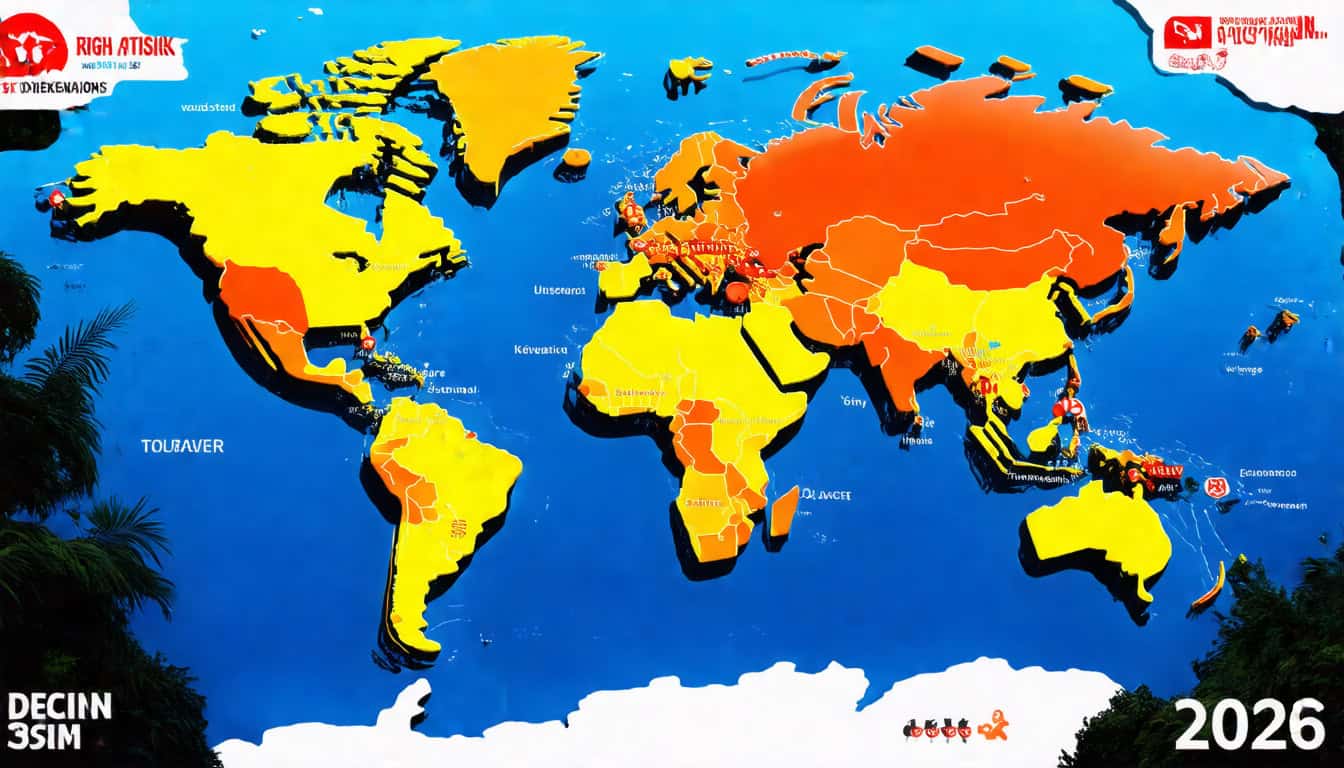 Danger Ahead: Current U.S. Travel Warnings for High-Risk Destinations
This little bit of homework makes the trip feel ten times more adventurous. You aren’t just a tourist following a guidebook; you’re a savvy traveler who read the fine print. You get to tell your friends, “Yeah, I went anyway, but I knew exactly which neighborhood to avoid during the afternoon rush.” It’s a badge of honor, honestly.

