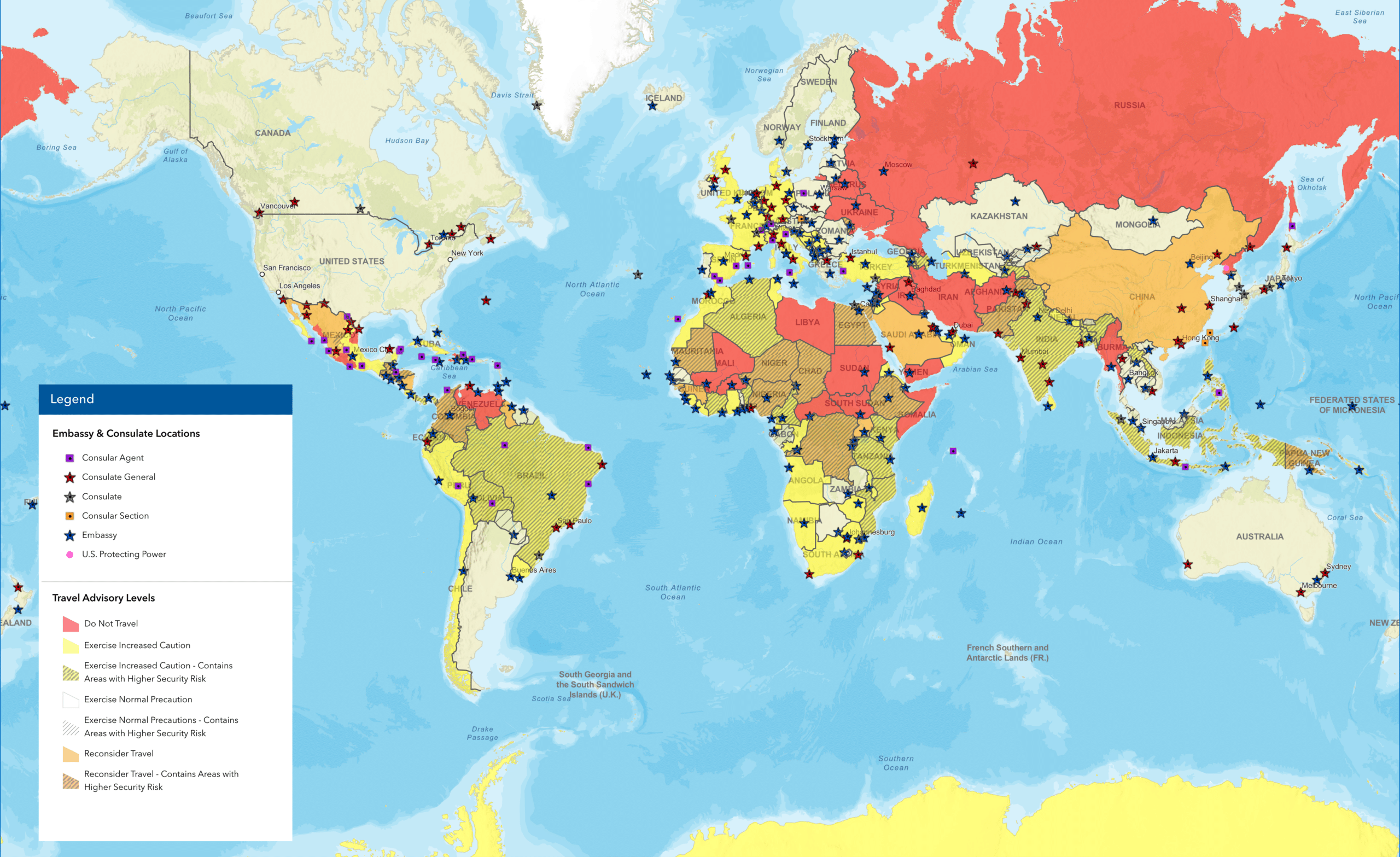
Here’s where it gets personal. The list isn’t just “somewhere in Africa” or “somewhere in the Middle East”—it’s specific, and it includes destinations you might have daydreamed about over a boring Tuesday lunch. Off the top of my head (and I double-checked), you’ve got Afghanistan, Belarus, Burkina Faso, the Central African Republic, Chad, Iran, Iraq, Lebanon, Libya, Mali, Niger, North Korea, Somalia, Sudan, Syria, Ukraine, Venezuela, and Yemen. Wait, that’s more than fourteen. See? Even counting them is messy.
The Foreign Office’s official line is that all travel to these places is advised against—no exceptions for “but I know a guy who knows a guide.” Think of it as the government saying: “We’ve got zero confidence in your ability to come home safely from there, so please don’t make us call your mum.” I actually appreciate that honesty, even if it kills the vibe for adventurous souls.
But Why Now? What Happened?
If you’re like me, you’re thinking: “Did the world suddenly get more dangerous overnight?” Well, kind of. In some cases, it’s ongoing conflicts (hello, Ukraine and Sudan), in others it’s political instability (looking at you, Belarus), and for a few places, it’s the risk of terrorist attacks or kidnappings. The Foreign Office doesn’t just wake up and go, “Ah, let’s ruin someone’s holiday.” They update these warnings when the intel changes—and boy, has it changed recently.
 Travel Safety 101 | GEEO
I read that the UK government specifically cited the “highly volatile security situation” in several countries. For Lebanon, it’s about the potential for escalation with Israel. For Burkina Faso and Mali, it’s about militant groups grabbing foreigners for ransom. And North Korea? You honestly didn’t need a government warning for that one—I think the 1950s vibes were already a red flag.
Now, here’s the ironic part: while the Foreign Office is waving a giant red flag, travel insurance is the real enforcer. If you ignore this advisory and buy a ticket anyway, your insurance becomes a paperweight. I called my provider to check, and yep, they said “invalidated” is the word they use. So if you end up needing a medevac from a remote conflict zone, you’re paying out of pocket. That’s a no thank you from my bank account.

