
If cruising feels fast, takeoff feels like a controlled blast. Most commercial jets accelerate to about 150 to 180 mph before they lift off. That’s still faster than a Formula 1 car at full throttle.
Landing is even more precise. Planes touch down at roughly 130 to 160 mph, depending on weight. The pilot then uses reverse thrust and brakes to bring you from race-car speeds to a gentle taxi in under a minute.
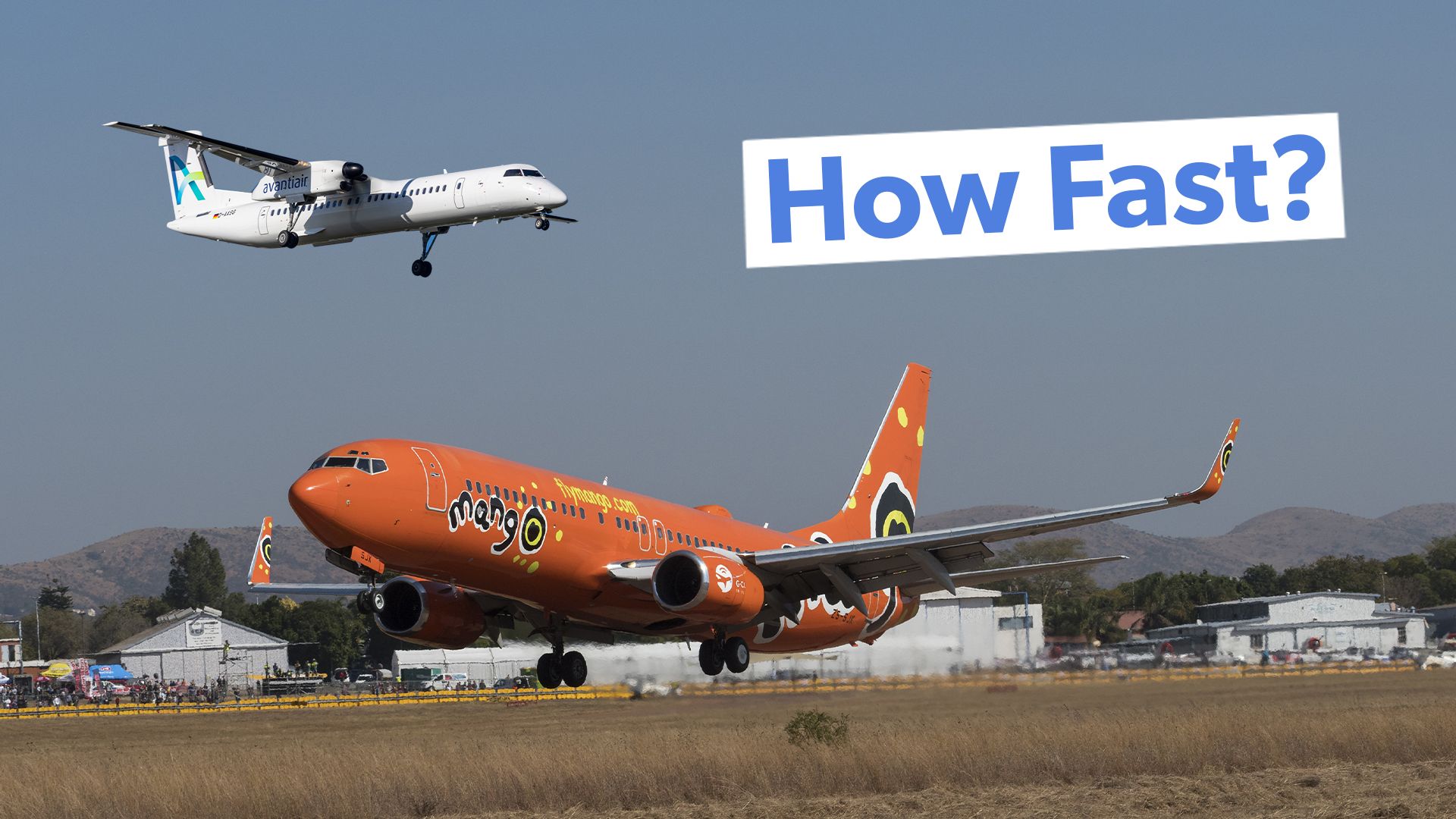 How Fast Do Different Types Of Commercial Aircraft Fly?
It’s a remarkable ballet of physics and skill. And you, sipping your ginger ale, don’t even notice the math happening under your feet.
A Quick Cultural Reference
Remember the scene in Catch Me If You Can where Leonardo DiCaprio’s character panics during turbulence? That’s partly because airspeed changes abruptly in rough air. But in reality, modern planes are built to handle speeds far beyond what they normally fly.
Or think of the iconic “I’m flying!” moment in Titanic—only here, you’re doing it at 35,000 feet, not on a ship’s bow. Speed adds a layer of magic to that view.

