For the gentlemen, a Wimbledon final is a best-of-five-set slog. This means the first player to win three sets takes the trophy. In theory, the match could end in a swift three sets—like a quick dinner date. In practice, it often turns into a five-set epic, the tennis equivalent of a seven-course meal with extra bread.
Here’s a surprising fact: the longest Wimbledon final in history was in 2019 between Novak Djokovic and Roger Federer. It lasted 4 hours and 57 minutes. That’s longer than the entire Lord of the Rings trilogy—without the elves. By the fifth set, both players looked like they’d been fighting a bear in a sauna.
And get this: in 2019, the final set went to 12-12 before a tiebreak (thanks to a new rule). Imagine playing tennis for nearly five hours, and then finding out the final set is still going. It’s like running a marathon and then being told you have to sprint another mile for fun.
The Women’s Sprint (or: “Why You Can Still Make Dinner”)
The women’s final is a best-of-three-set affair. First to two sets wins. Matches usually clock in around 90 minutes to two hours. This is great news if you have a life. It’s also why the women’s final is often more intense from the first ball—no time for warm-up pleasantries.
But here’s the twist: up until 1901, women actually played best-of-five at Wimbledon. That’s right, Victorian ladies in corsets were out there grinding through five sets. Then someone sensible said, “Hey, maybe let’s not.” And the best-of-three became the standard in 1902. Thanks, sensible person.
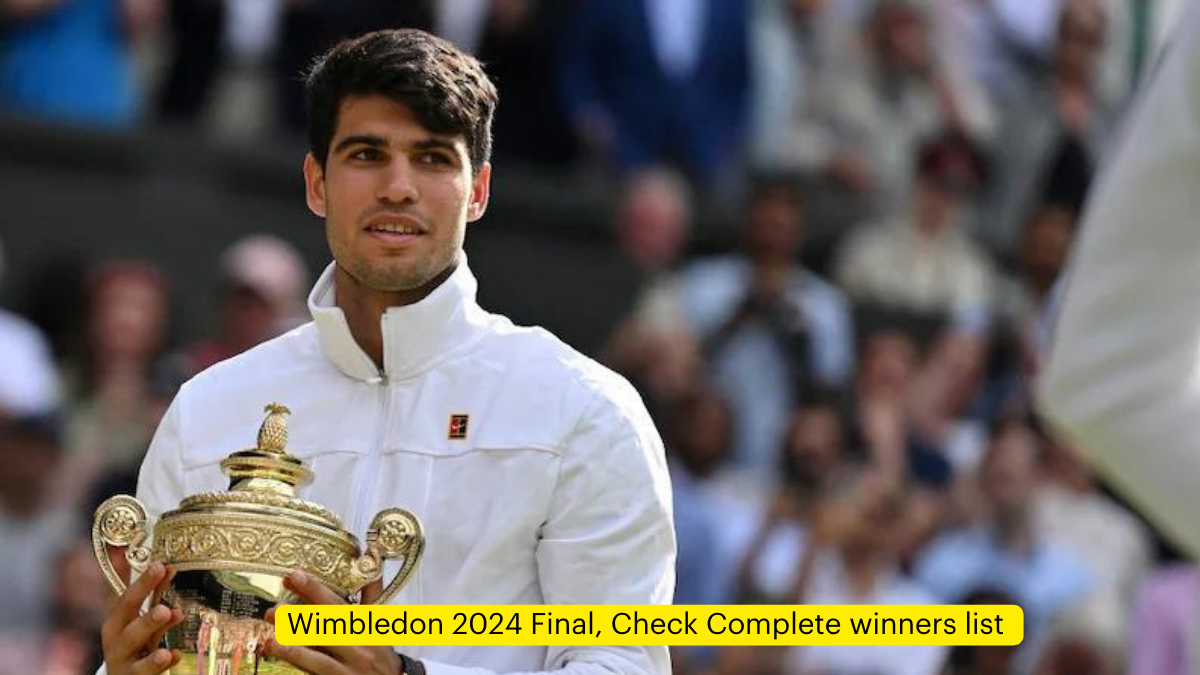
 Alcaraz becoming a great, by dethroning a great, in epic Wimbledon
Still, don’t think it’s a walk in the park. In 2018, Angelique Kerber beat Serena Williams in the final in three sets. It took two hours and five minutes of pure, sweaty drama. So no, they’re not “just hitting balls around.” They’re waging psychological warfare with rackets.

