
When the Duffer Brothers first pitched Stranger Things to Netflix, they were practically working with indie film budgets. Season one reportedly cost around $6 million per episode, bringing the total to about $48 million for eight episodes. That’s a solid chunk of change, but it’s a bargain compared to what came next.
By Season 3, the budget had ballooned to roughly $8 million per episode. The Starcourt Mall didn’t build itself, you know—that was an actual, functional set constructed from scratch. For Season 4, Netflix pulled out all the stops, with reports estimating the budget hit $30 million per episode. Yes, you read that right.
The final season? Industry insiders whisper that Season 5 might surpass $300 million total. That’s more than many blockbuster movies, and it explains why every Vecna encounter feels like a cinematic event.
Where Did All That Money Go? The Practical Magic
A huge chunk of the budget goes to practical effects. The Duffer Brothers are old-school in the best way: they love animatronics, prosthetics, and real fire. The Demogorgon in Season 1? That was a guy in a suit, backed by CGI touch-ups. It cost a fortune but gives Stranger Things that gritty, tactile feel you don’t get from pure green screen.
Let’s not forget the set design. The Hawkins lab, the Creel House, and the Upside Down’s slimy vines are all painstakingly built. The show’s production designer, Chris Trujillo, reportedly spent months sourcing vintage 80s wallpaper and furniture. Every fake arcade cabinet and dusty Walkman adds to your immersion—and to the bill.
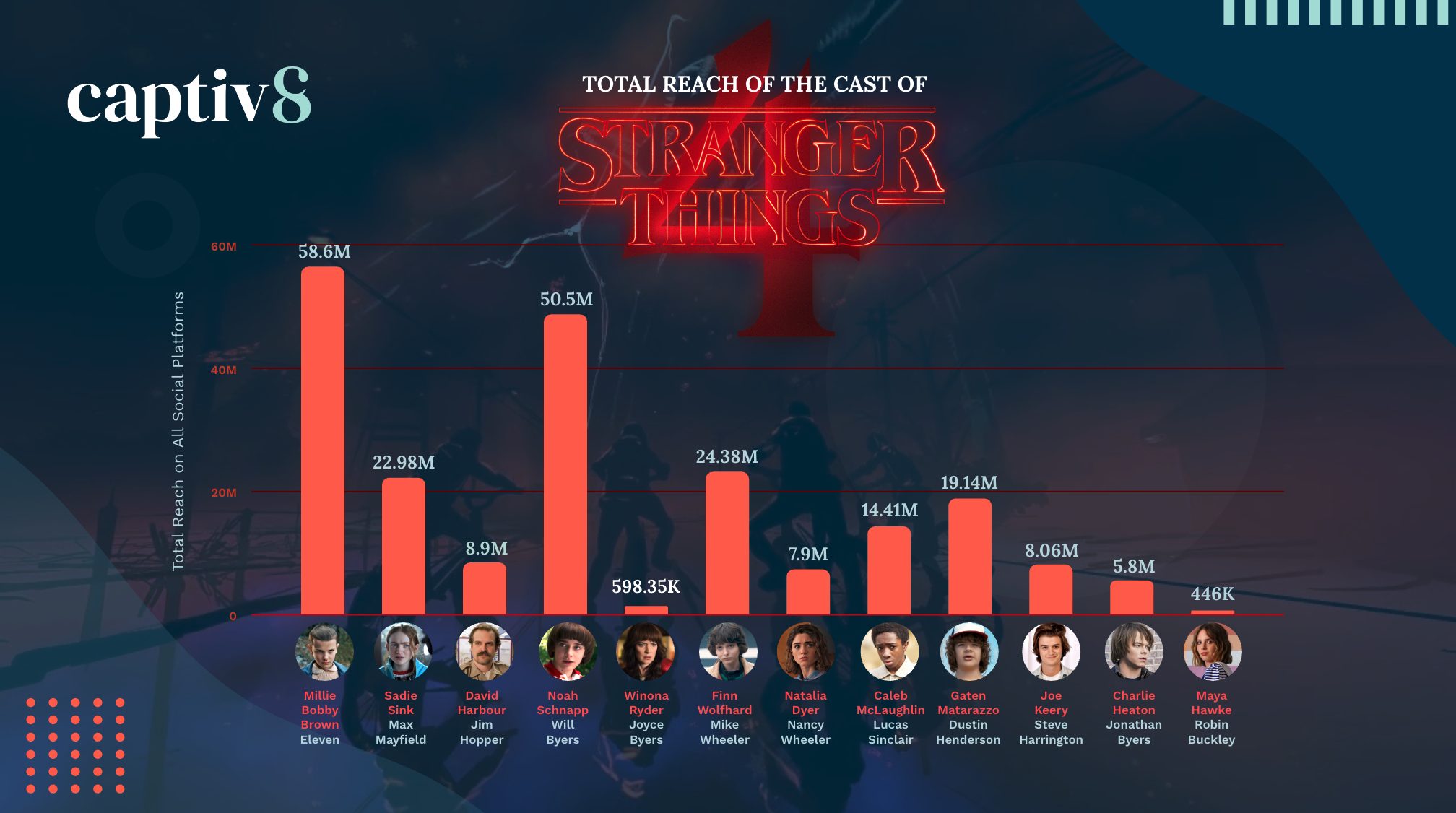
And then there’s the cast. While the kids started with modest salaries, by Season 4, Millie Bobby Brown was earning around $300,000 per episode. Winona Ryder, David Harbour, and the adult stars aren’t far behind. It’s a small fortune just to keep everyone in Hawkins paying rent.
The Music: An 80s Jukebox Worth Millions
You can’t talk about Stranger Things without mentioning the soundtrack. Binge the show, and you’ll hear Kate Bush, The Clash, Cyndi Lauper, and Journey. Licensing 80s songs is expensive. A single track from a major artist can cost between $50,000 and $500,000 depending on usage. For “Running Up That Hill,” the show reportedly paid a premium—and it became a global phenomenon.
 Stranger Things Season 5 Costs $480 Million!!!! - YouTube
Fun fact: The synth-heavy score by Kyle Dixon and Michael Stein is original, so that’s a cheaper route. But every time Eleven puts on her headphones and a classic jam plays, a licensing lawyer is getting a bonus. It’s a trade-off that makes the show unforgettable.
Cultural References: The Price of Nostalgia
The Duffer Brothers are unapologetic about ripping from 80s pop culture. E.T., The Goonies, Alien, and Stephen King novels are all referenced. While homages are free, the show also spent money on clever visual tributes—like the exact replica of the Ghostbusters Ecto-1 for Season 3’s Fourth of July parade. That car alone cost thousands to lease and modify.
Practical tip: If you’re planning a themed party or a weekend project, you don’t need a Netflix budget. Thrift stores are your friend. I snagged a vintage 80s sweater for $8 the other day. It’s not a Demogorgon, but it’s a start.
The Netflix Effect: Why So Much?
Netflix spent big on Stranger Things because it’s their crown jewel. The show has been watched for over a billion hours, launched careers, and spawned merchandise. It’s a marketing engine. For every dollar spent, they get back exponential buzz and subscriber retention. That $300 million for Season 5 is an investment, not an expense.
Compare it to Game of Thrones, which cost about $15 million per episode in its final season. Stranger Things is in that league but with more neon and less dragons. The scale is insane, but it’s what keeps us refreshing our Netflix queue.
 The Earned Media Value of Stranger Things Branded Product Placement
Practical Tips for the Budget-Conscious Fan
If you’re inspired to create your own Stranger Things vibe without the millions, here’s how: Use lighting. String up some fairy lights on a wall, and you’ve got an instant alphabet board. Layer your audio. A good synthwave playlist on Spotify costs nothing. And for costumes, hit up local thrift shops for oversized denim jackets and scrunchies. It’s more authentic than buying a pre-packaged Eleven costume.
Another cool idea: Host a Stranger Things trivia night. You don’t need a budget. Just print out some trivia cards about Vecna’s lore, the Mind Flayer’s origins, and who died in Season 3. It’s free, fun, and beats watching reruns alone.
Fun Little Facts to Impress Your Friends
Did you know the Duffer Brothers wrote the entire series bible on a single piece of paper? That’s creativity without a budget. Also, the iconic “Eggo” product placement was a real deal—Netflix paid Kellogg’s a reported $100,000 for the season one integration. And the Demogorgon’s “flower face” was inspired by a forgotten horror toy from the 80s. Talk about recycling.
Last one: The kids’ dungeons & dragons campaign in Season 1? That was mostly improvised based on the actual old rules. It cost nothing but made the show feel real. Sometimes the best magic is free.
A Quick Reflection for Daily Life
When you step back, Stranger Things teaches us something about our own lives. The Duffer Brothers started with a small idea and a big dream, and they poured everything into it—money, time, and heart. We don’t need a Netflix budget to build something meaningful. Your personal projects—whether it’s a blog, a backyard garden, or a new recipe—can thrive with focus, passion, and a little 80s soundtrack in the background.
So next time you binge an episode, remember: The real cost isn’t what you pay for streaming. It’s the joy of getting lost in a story. And that? That’s priceless. Now go flip some Waffles and call it a night.

