You have to understand that Australia has a massive, borderline cultish love for Eurovision. It began in 1983 when the Special Broadcasting Service (SBS), the country’s multicultural network, started airing the contest. Why? Because 70% of Australians have a European heritage—Italian, Greek, British, you name it. For them, Eurovision wasn’t a foreign show; it was a postcard from home.
Slowly, it became a national staple. Imagine Australians waking up at dawn, frying up some bacon, and yelling at the TV over the odds of a Polish folk-dance act. It became an annual ritual, a glorious, slightly unhinged party that no one in the Southern Hemisphere was officially invited to. SBS even sent commentators to the venue for years, just to make the broadcast feel local. They were the ultimate gatecrashers, and the European Broadcasting Union (EBU) loved it.
The “Special Guest” Phase (That Got Out of Hand)
In 2015, the EBU decided to throw Australia a bone. They invited them as a “one-off special guest” for the 60th anniversary. The idea was simple: “Thanks for watching for 30 years, here’s a participation trophy.” We all thought it was a cute gimmick. Australia sent Guy Sebastian, a pop star you might know from the first season of Australian Idol. He placed 5th. Fifth! The plan backfired spectacularly.
After that, the EBU couldn’t just kick them out. It would be like eating dessert in front of a hungry puppy. So, they extended the invitation for 2016. And then 2017. And then… well, here we are. What started as a courtesy has turned into a permanent residency. They’re basically the annoying but lovable house guest who has now moved into the guest room and pays rent with memes and bangers.
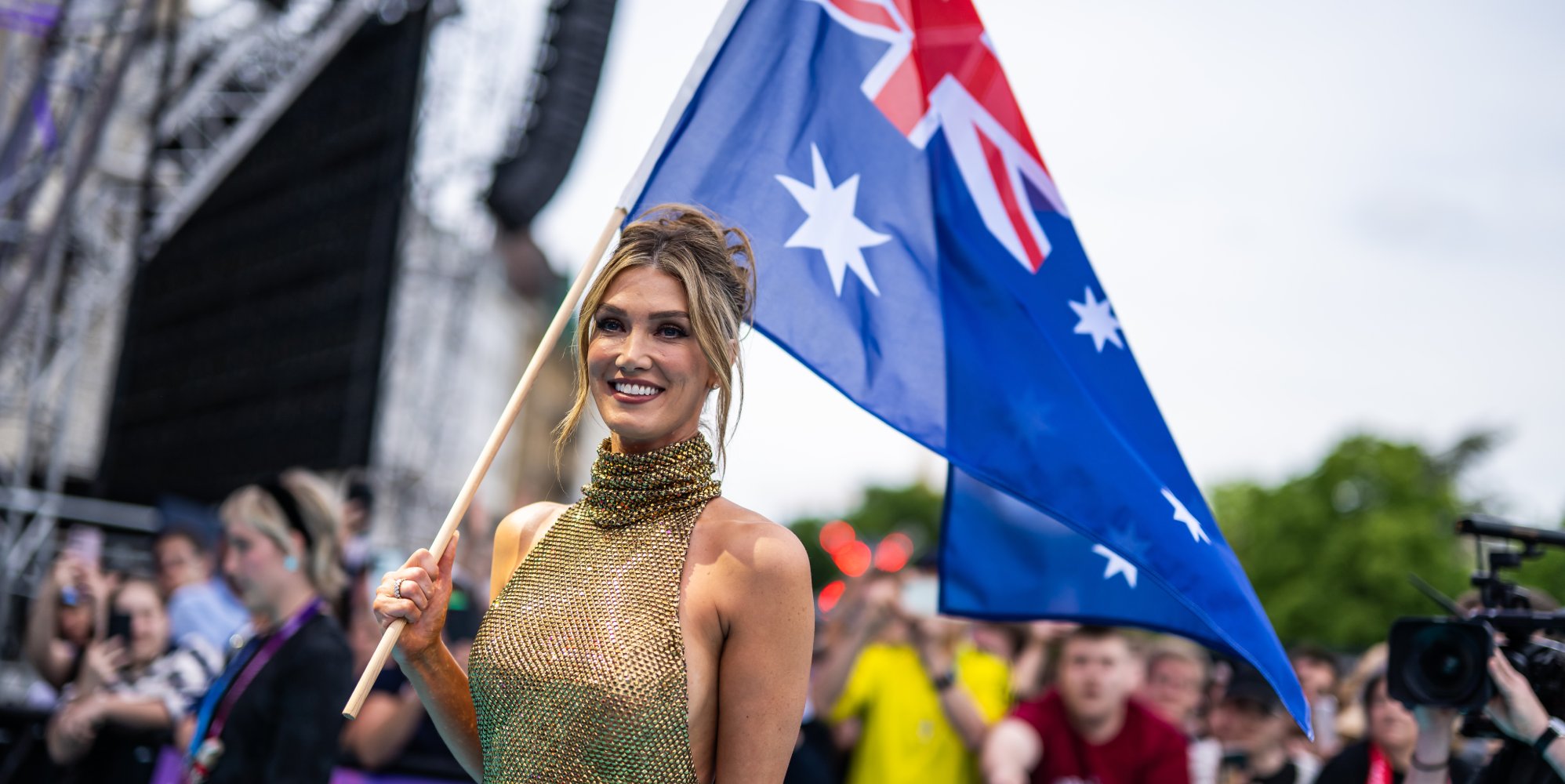 Why is Australia part of Eurovision Song Contest 2026?