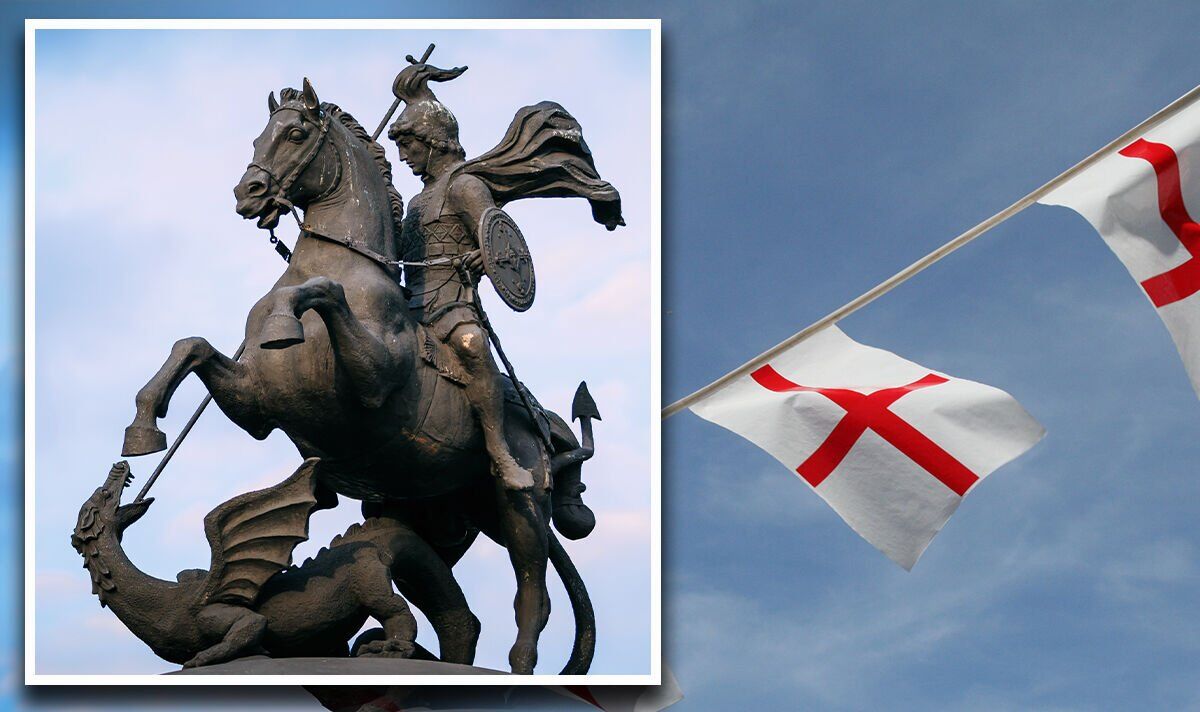
Now, here’s where things get wild. The real George was probably just a brave, faith-firm soldier. But somewhere around the 11th century, people decided his story needed a little… spice. Enter the dragon. You’ve heard the tale, right? A terrifying dragon demands human sacrifices from a town, and just as a princess is about to be the next snack, George gallops in on his horse and spears the beast.
Is it true? Absolutely not. But does it make for a better story than “brave guy disagreed with emperor, got executed”? Obviously. It’s like comparing a boring meeting to a Hollywood blockbuster. The dragon became George’s ultimate PR move, and suddenly he wasn’t just a saint; he was a legend.
The Crusaders’ PR Move
So how does a dragon-slaying Roman soldier from Turkey become the man who represents a country that loves tea and queues? The answer is the Crusades. When English knights—led by King Richard the Lionheart—went off to fight in the Holy Land in the 12th century, they needed a figure to rally behind. And who was more perfect than a warrior saint who famously killed monsters?
They claimed Saint George appeared to them in a vision during a key battle at Antioch in 1098. Whether that actually happened or the knights just needed a morale boost after a bad meal is up for debate. But the story stuck. The red cross on a white background—his symbol—became the badge of English soldiers. Suddenly, George was their wingman in war.
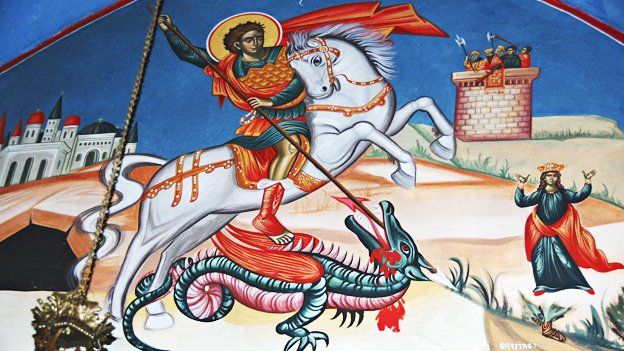 St George's Day: Who was England's patron saint? - BBC News

