I started digging into my habits, specifically my washing machine usage. I’d been throwing in a load at 8 PM after dinner, feeling very responsible. Little did I know, I was practically flushing coins down the drain.
The secret, my friend, is all about when you hit that start button. It’s not about washing less—it’s about washing smarter. And the cheapest time? It’s almost always after 10 PM or before 6 AM on weekdays, and all weekend long.
Why Midnight Laundry Feels Like a Heist
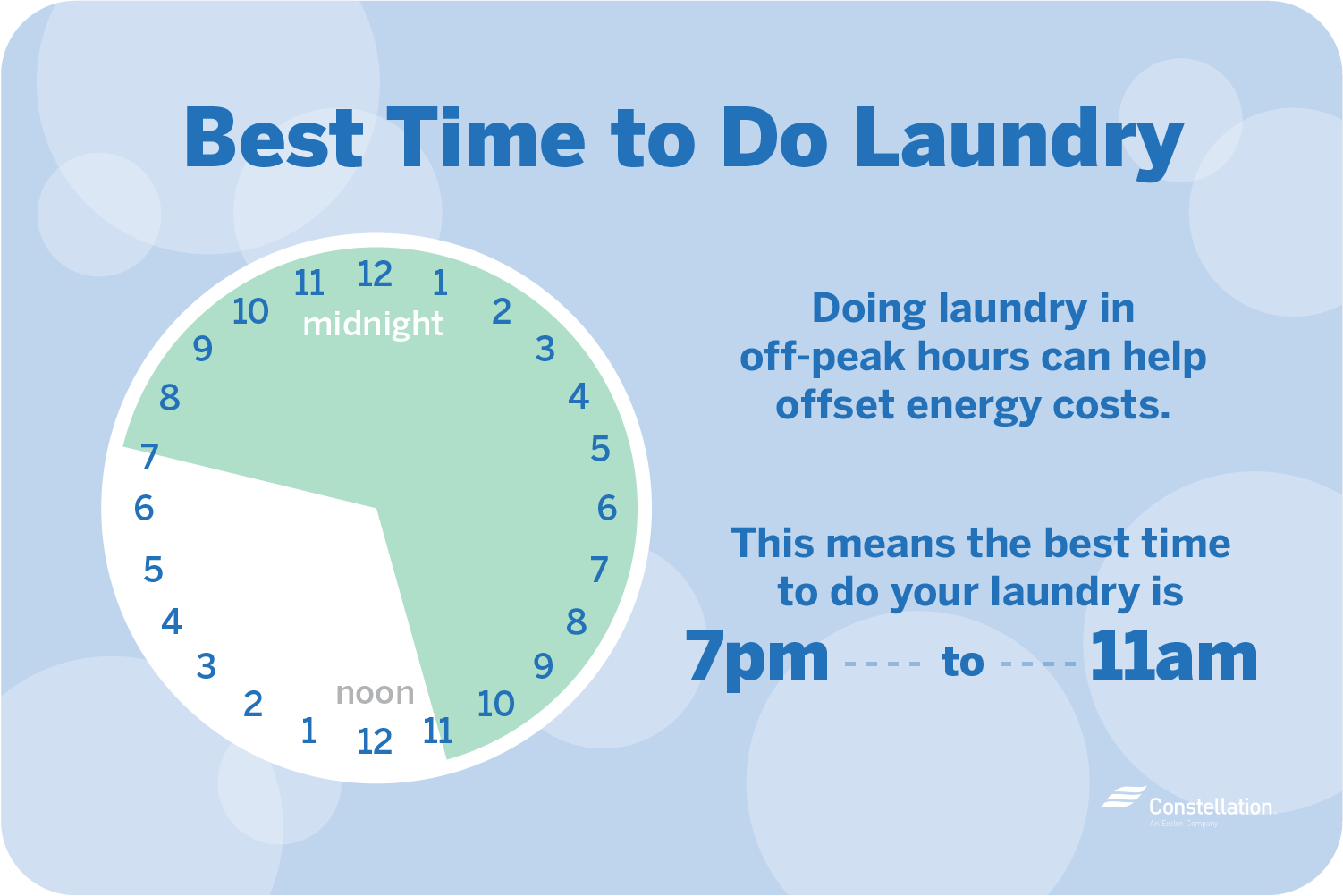
This isn’t a myth your hippie aunt made up. Utility companies call it “Time-of-Use” pricing. They charge you more during “peak” hours (think dinner time, morning rush) when everyone is cooking, showering, and running every appliance on the block.
During “off-peak” hours—usually overnight—they have a glut of electricity they need to get rid of. So they drop the price to encourage usage. It’s literally cheaper to run your machine at 2 AM. Talk about a late-night reward.
The Specific Golden Window (Check Your Own Power)
Don’t just take my word for it. Log into your utility company’s website and look for the “rate plan” details. Most will break down the day into peak, mid-peak, and off-peak windows.
In many places, off-peak starts at 9 PM and goes until 7 AM on weekdays. Weekends? You’re often free to wash at noon without penalty because industrial demand is low. Weekend mornings are your secret weapon.
If you’re on a flat-rate plan (you pay the same all day), you can ignore this entirely. But most modern plans have these variable rates, and you’re probably on one without even realizing it.
 Laundry expert shares cheapest time of day to use your washing machine
The “But I’m a Daytime Person” Problem
I know, I know. Setting an alarm to throw in a load of towels sounds insane. I felt the same way. But here’s the kicker: most modern washing machines have a delay start timer. That’s not a useless feature; it’s a moneymaker.
Load the machine at 10 PM, set the delay timer so it starts at 1 AM, and go to sleep. The machine runs during the cheapest window, and you wake up to fresh, clean clothes. You barely have to change your schedule.
What About Drying? (The Evil Twin)
Don’t forget the dryer. It uses three times more energy than your washing machine on average. Running that beast at peak hours is financial self-harm.
If you can, dry your clothes during the same off-peak window. Or better yet, hang dry a few loads. Your wallet will thank you, and your t-shirts won’t shrink into crop tops. Win-win.
The Cheapest Day of the Week (Yes, It Exists)
Believe it or not, some utility companies offer super off-peak rates on specific days. Check if your provider has a “weekend saver” or “Sunday special” plan.
 When’s The Cheapest Time To Use My Washing Machine In The UK? - Check
Ironically, Sunday afternoons can be the absolute cheapest time to run any appliance in many regions. Everyone is relaxing, but the grid is humming with excess capacity. You pay less while you binge-watch your shows.
One More Tip for the Paranoid Saver
Don’t just look at the clock; look at the water temperature. Most of the energy in a wash cycle goes to heating the water. If you wash on cold (which I do for 90% of loads), you slash the cost dramatically.
Combine a cold wash with an off-peak start, and you’re basically laundering money-free. I’m only half-joking. I’ve seen my bill drop by about $15 to $25 a month just by shifting my schedule by a few hours.
The Bottom Line? Be a Night Owl
In short: Wash after 10 PM on weekdays, or any time on weekends. Check your specific utility plan to nail the exact window. Use the delay timer. Use cold water.
Look, I’m not saying you need to become a vampire. But if you’re willing to move your laundry hobby to the wee hours, your bank account will literally grow. And honestly, there’s something secretly satisfying about knowing you beat the system. Happy (night) washing!

