Think about your local coffee shop. You queue up patiently, right? But what if suddenly the price of your flat white doubled, or the shop closed with no notice? You’d be frustrated, and you’d probably say something. That’s the spark—someone decides the usual system isn’t working for them anymore.
Protests are essentially that same feeling, just magnified by a thousand people who all share that frustration. They’re the world’s most visible ‘feedback form’. Whether it’s about the cost of living, the environment, or a new law, the people marching are saying, “Hey, can we talk about this?” in a very loud way.
A Bit Like Your Family Dinner Argument
Remember that time at Sunday dinner when everyone argued about where to put the new sofa? Eventually, you all talked it out (after some raised voices and passive-aggressive tea-making). Protests are that conversation, but for an entire city. The goal isn’t to break things; it’s to change where the sofa goes.
And just like that family argument, the best outcomes happen when both sides stop shouting and actually listen. The people on the march want someone in power to hear their “But why can’t we put it by the window?” It’s messy, it’s loud, but it’s also a sign that people still believe they can make a difference.
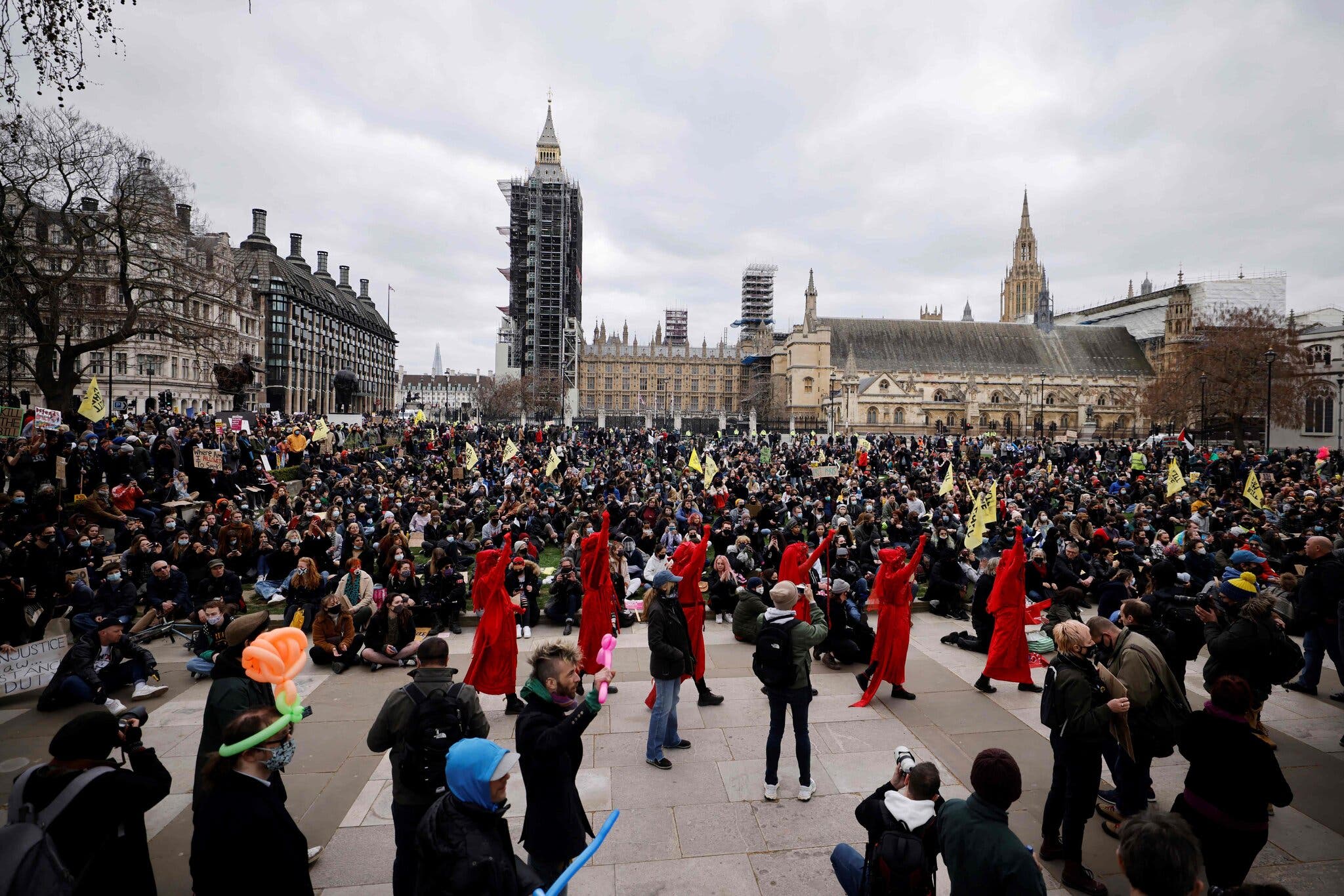
 London protests: Demonstrations move through the city

